
Fixing Common Cupcake Fails: A Diagnostic Guide
By Sarah, Incr-EdibleCupCakes. Updated 2026-06-08.
Sinking middles, domed tops, dry crumbs, and greasy liners all have specific causes you can fix. This diagnostic guide walks through each cupcake problem and tells you exactly what went wrong and how to correct it next time.
| Problem | Most Likely Cause | Quick Fix |
|---|---|---|
| Sunken center | Overmixed batter or too much leavening | Mix less after flour is added; level the leavening measure |
| Domed or cracked top | Oven too hot or too much flour | Lower oven 25 degrees F; spoon and level flour |
| Dry crumb | Overbaked or low fat ratio | Test at minimum time; add a tablespoon of oil |
| Greasy liner | Butter too warm or cold eggs | Use butter at 65 to 68 degrees F; bring eggs to room temp |
| Dense texture | Old leavening or cold ingredients | Test and replace leavening; use room temperature butter and eggs |
| Sticky top | Underbaked or sealed while warm | Add 2 minutes to bake time; cool on wire rack uncovered |
How to Use This Diagnostic Guide
Cupcake troubleshooting works best when you match the symptom to the cause, not just guess at a fix. Find your problem in the sections below, read the likely causes, then apply the specific correction.
Most cupcake fails come from one of four areas: mixing method, ingredient ratios, temperature, or timing. Once you know which area went wrong, the fix is usually simple.
Sunken Middles: Why Cupcakes Collapse After Baking
A cupcake sinks in the center when the structure sets too slowly or collapses before it firms up. This is one of the most common problems I see, and it almost always links back to mixing, leavening, or oven heat.
Overmixing adds too much air, which rises fast and then falls. An oven that runs too hot sets the edges before the center is ready, causing that classic crater.
- Overmixed batter: air bubbles overexpand and collapse. Mix just until combined after adding flour.
- Too much baking powder or soda: too much lift, too fast. Measure leavening level, not heaping.
- Oven too hot: crust forms before inside bakes through. Use an oven thermometer to verify your temperature.
- Opening the oven door early: cold air rush causes the rise to drop. Wait until at least three-quarters of bake time has passed.
- Underfilled liners: not enough batter to support structure. Fill liners two-thirds full.
Domed or Cracked Tops: When Cupcakes Rise Too Fast
A domed or cracked top means the batter rose and set too quickly on the outside. This is usually an oven temperature issue or a flour ratio problem.
Cracking happens when the surface dries before the inside finishes expanding. Doming without cracking often points to too much flour tightening the batter.
- Oven too hot: lower by 25 degrees F and bake slightly longer.
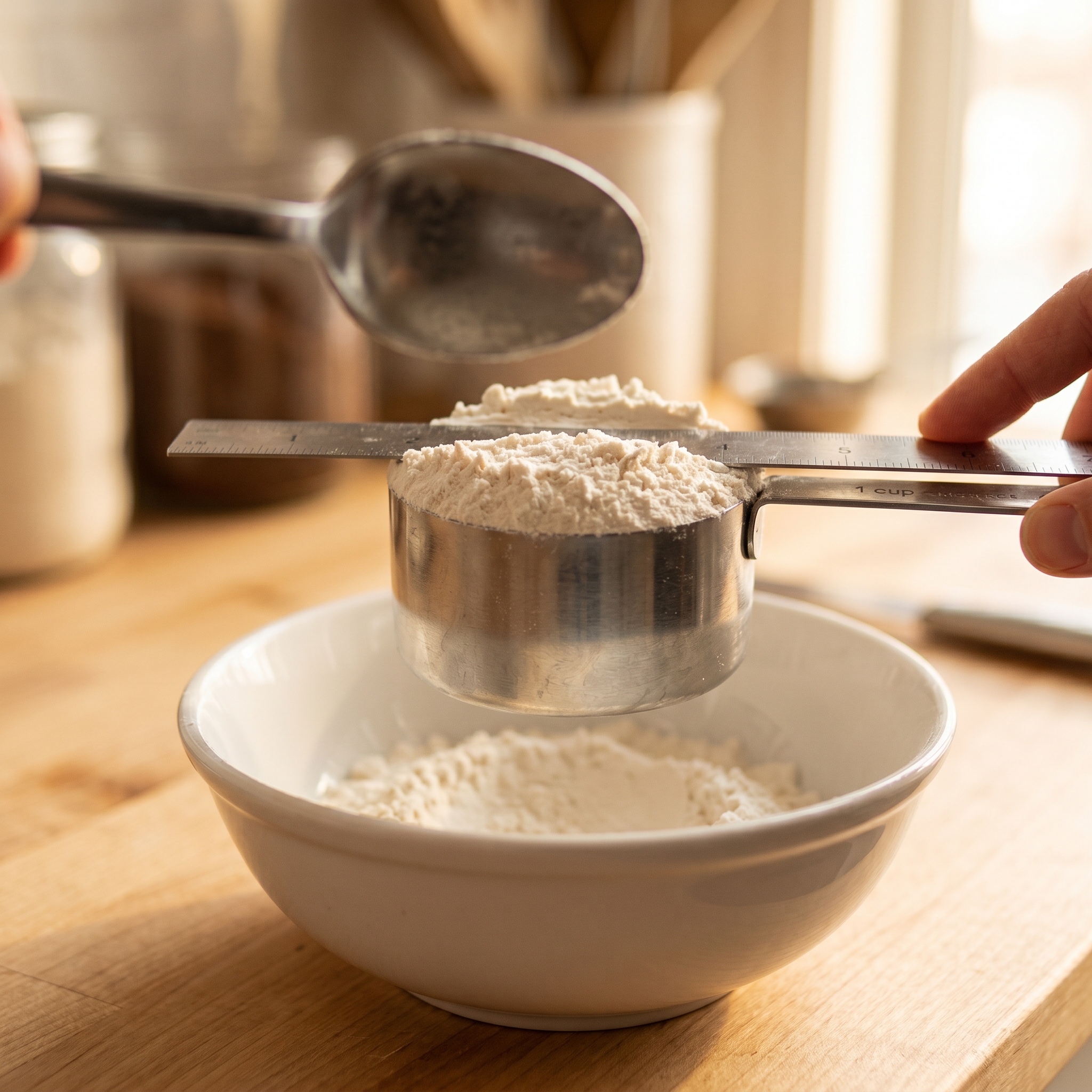
- Too much flour: measure by spooning into the cup, then leveling. Never scoop directly from the bag.
- Batter too stiff: add 1 to 2 tablespoons of milk to loosen it.
- Cupcakes placed too close to the top heating element: move the rack to the center position.
Dry or Crumbly Texture: Finding Where Moisture Went
Dry cupcakes are almost always caused by overbaking or an imbalanced fat-to-flour ratio. Even two or three extra minutes in the oven can pull too much moisture out.
Check your recipe ratios first. A standard vanilla cupcake needs at least one-quarter cup of fat per cup of flour to stay moist.
- Overbaked: test at the minimum time with a toothpick. Remove as soon as it comes out with a moist crumb, not bone dry.
- Too little fat: add an extra tablespoon of oil or one egg yolk to boost richness.
- Too much flour: always spoon and level, never pack the cup.
- No acidic ingredient: a teaspoon of sour cream or yogurt adds moisture and tenderness.
- Stored uncovered: once cooled, cover cupcakes to trap moisture.
Greasy Liners or Oily Crumb: Too Much Fat or Wrong Temperature
Grease soaking through the liner means the fat separated from the batter during baking. This is a mixing or temperature problem, not always a recipe problem.
Butter that is too warm when you cream it cannot hold the emulsion. The same goes for adding cold eggs to warm creamed butter, which also breaks the mix.
- Butter too soft: use butter at exactly 65 to 68 degrees F. It should indent when pressed but not feel greasy.
- Eggs added too cold: bring eggs to room temperature before adding them.
- Too much oil: if swapping butter for oil, replace at a 3:4 ratio, not 1:1.
- Undermixed after adding eggs: beat for 30 seconds between each egg to keep the emulsion stable.
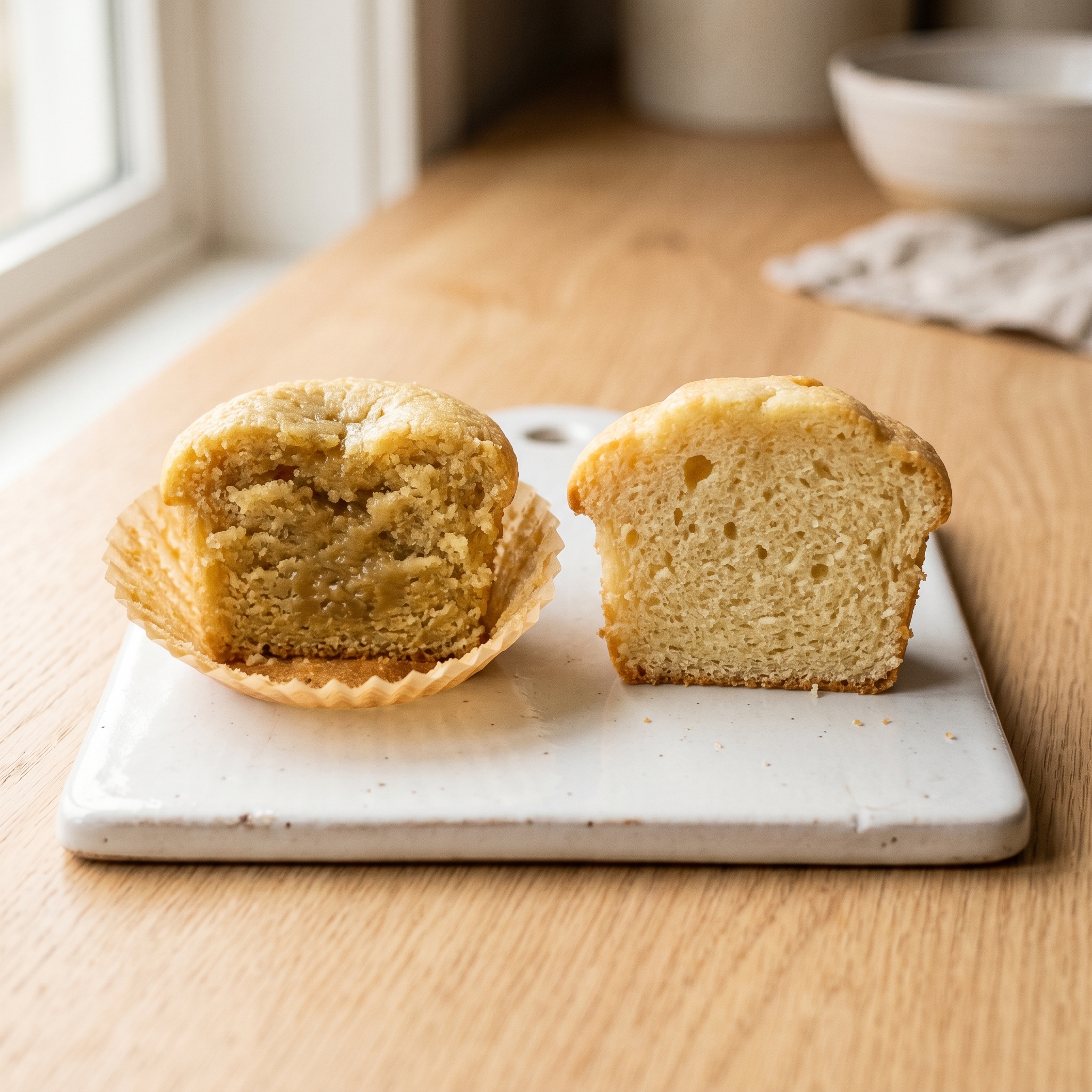
Dense or Heavy Crumb: When Cupcakes Do Not Rise Enough
Dense cupcakes did not trap enough air during mixing, or the leavening was too old to work properly. Both issues are easy to check before you start.
Cold dairy and eggs also slow down the rise. Bringing every ingredient to room temperature before you mix is one of the most effective steps I follow in my own kitchen.
- Old baking powder or soda: test baking powder in hot water. It should bubble immediately. Replace if it does not.
- Cold butter: it will not cream properly below 65 degrees F. Cream time should be 3 to 5 minutes until pale and fluffy.
- Cold milk or eggs: cold liquids tighten gluten and slow leavening. Use room temperature ingredients.
- Overfilled liners: too much batter makes the top heavy and the inside dense. Stick to two-thirds full.
Sticky or Gummy Top: A Sign of Underbaking or Poor Cooling
A sticky top means either the cupcake did not finish baking through the center, or moisture condensed on the surface during cooling. Both are fixable with simple timing changes.
Always cool cupcakes on a wire rack, not on a solid surface. Trapping steam underneath creates a gummy bottom and a sticky top.
- Underbaked center: test with a toothpick at the center, not the edge. The edge sets first.
- Cooled in a sealed container too soon: wait until completely cool before covering, at least 1 hour.
- High humidity in your kitchen: add 2 to 3 minutes to your bake time on humid days.
- Too much sugar: reduce sugar by 2 tablespoons if your recipe already uses a moist mix-in like applesauce or yogurt.
FAQ
Why do my cupcakes sink even when I do not open the oven door?
Sinking without opening the door usually means overmixed batter or too much leavening. Extra air or excess lift causes a fast rise that collapses before the structure sets. Reduce mixing after flour is added and measure baking powder level, not heaping.
Can I fix a dry cupcake after it is already baked?
Yes. Brush the tops lightly with simple syrup (equal parts sugar and water, heated until dissolved) right after baking. It adds moisture back without changing the flavor. For frosted cupcakes, a thin layer of buttercream also seals in what moisture remains.
My cupcakes look perfect in the oven but sink when I take them out. What causes that?
This usually means the inside was not fully set when you removed them. The structure looked set because the top browned, but the center was still wet. Bake for 2 more minutes and test with a toothpick in the very center, not near the edge.
Why does grease soak through my cupcake liners?
Grease bleed happens when the fat and batter separate during baking. Usually because butter was too warm at the start or eggs were too cold when added. Use butter at 65 to 68 degrees F and room temperature eggs, and beat well between each addition.
Do altitude or humidity affect these problems?
Yes, both do. At high altitude, leavening acts faster, which can cause sinking or doming. On humid days, sugar absorbs extra moisture from the air, making tops sticky. Reduce baking powder slightly at altitude, and add 2 to 3 minutes to bake time on humid days.