
Cupcake Guides
Practical, tested techniques to level up your baking.
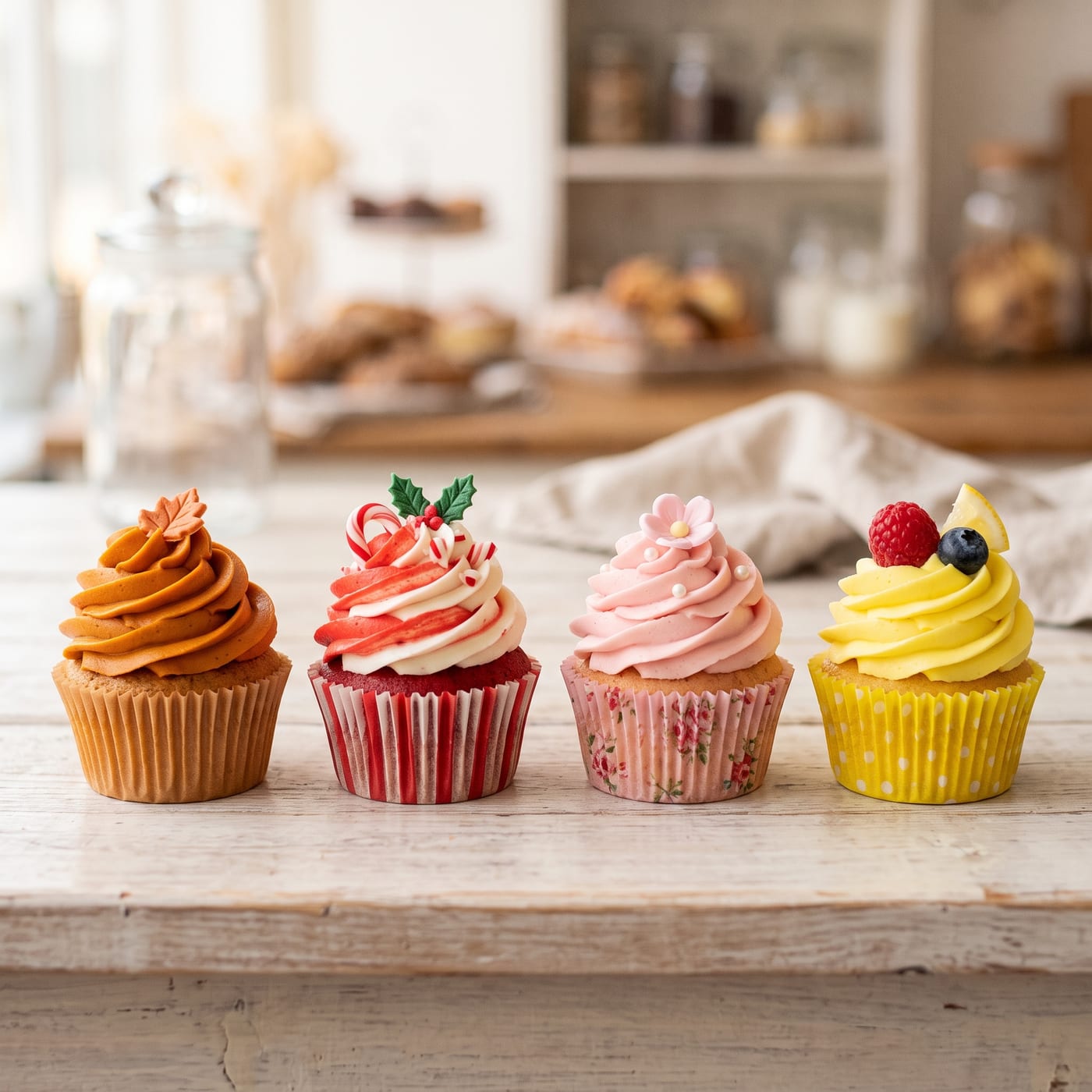
How to Design Seasonal Cupcakes That Sell
Seasonal cupcakes sell when flavor, color, and mood match what people already feel about that time of year. Pick one main flavor, one color story, and one mood word before you bake a single batch.
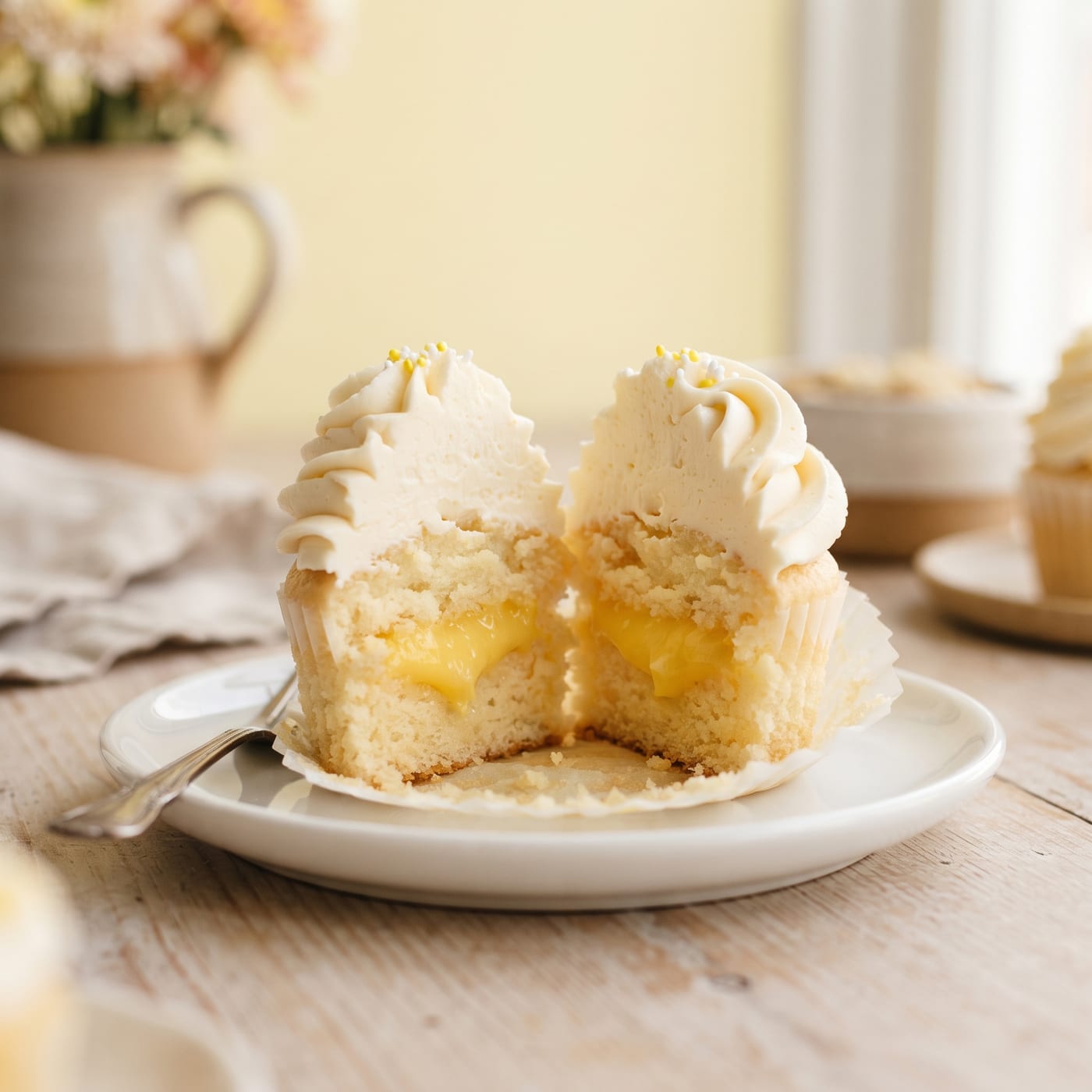
How to Create Flavor Layers in One Cupcake
Build flavor layers in one cupcake by pairing a simple cake base with a bold filling, a contrasting swirl, and a garnish that echoes both. Each layer should do a different job: base, surprise, finish, and accent.
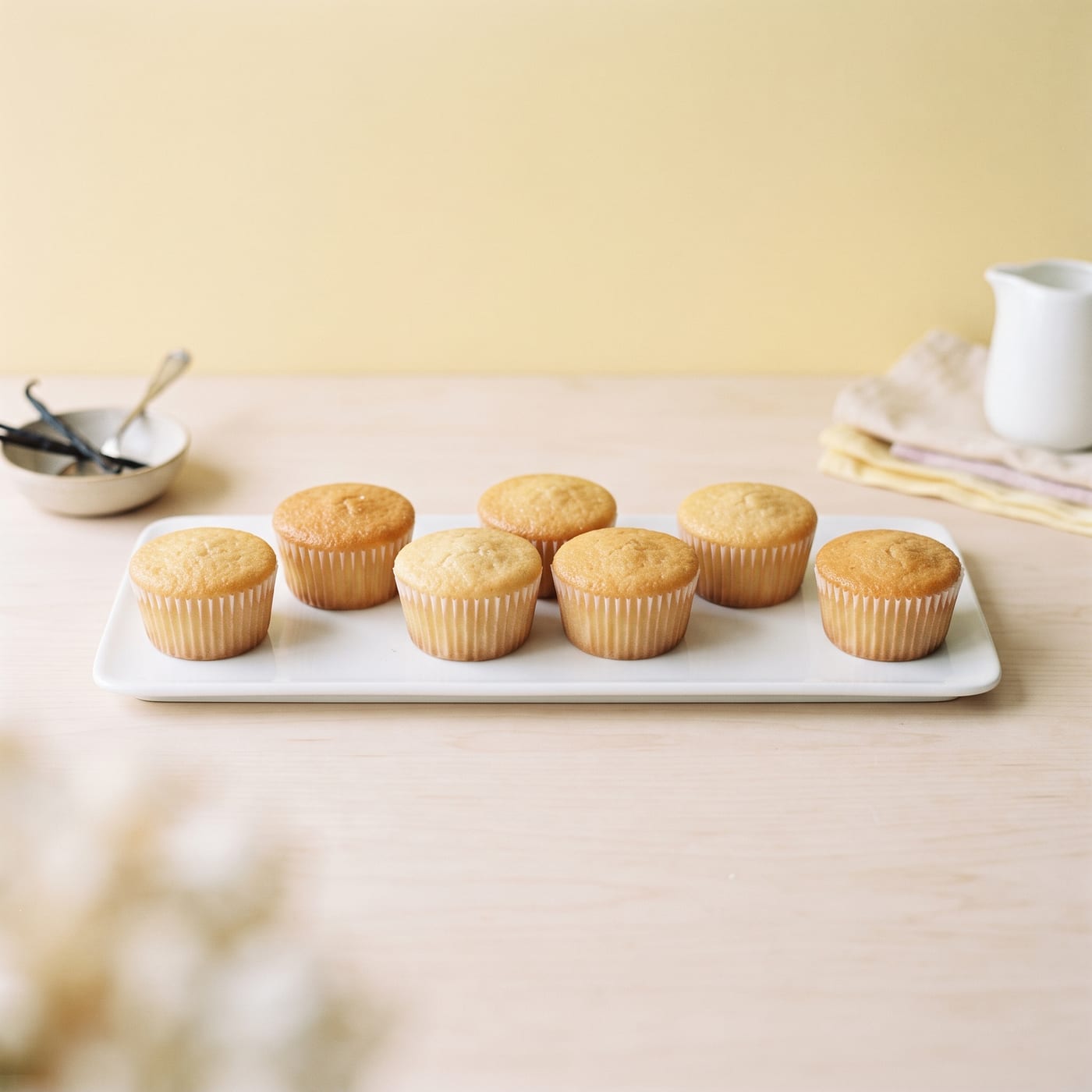
How to Bake Flat-Top Cupcakes for Easy Frosting
Bake flat-top cupcakes by filling liners two-thirds full, baking at a slightly lower temperature, and leveling the batter before it hits the oven. This slows the rise so tops set flat instead of domed.
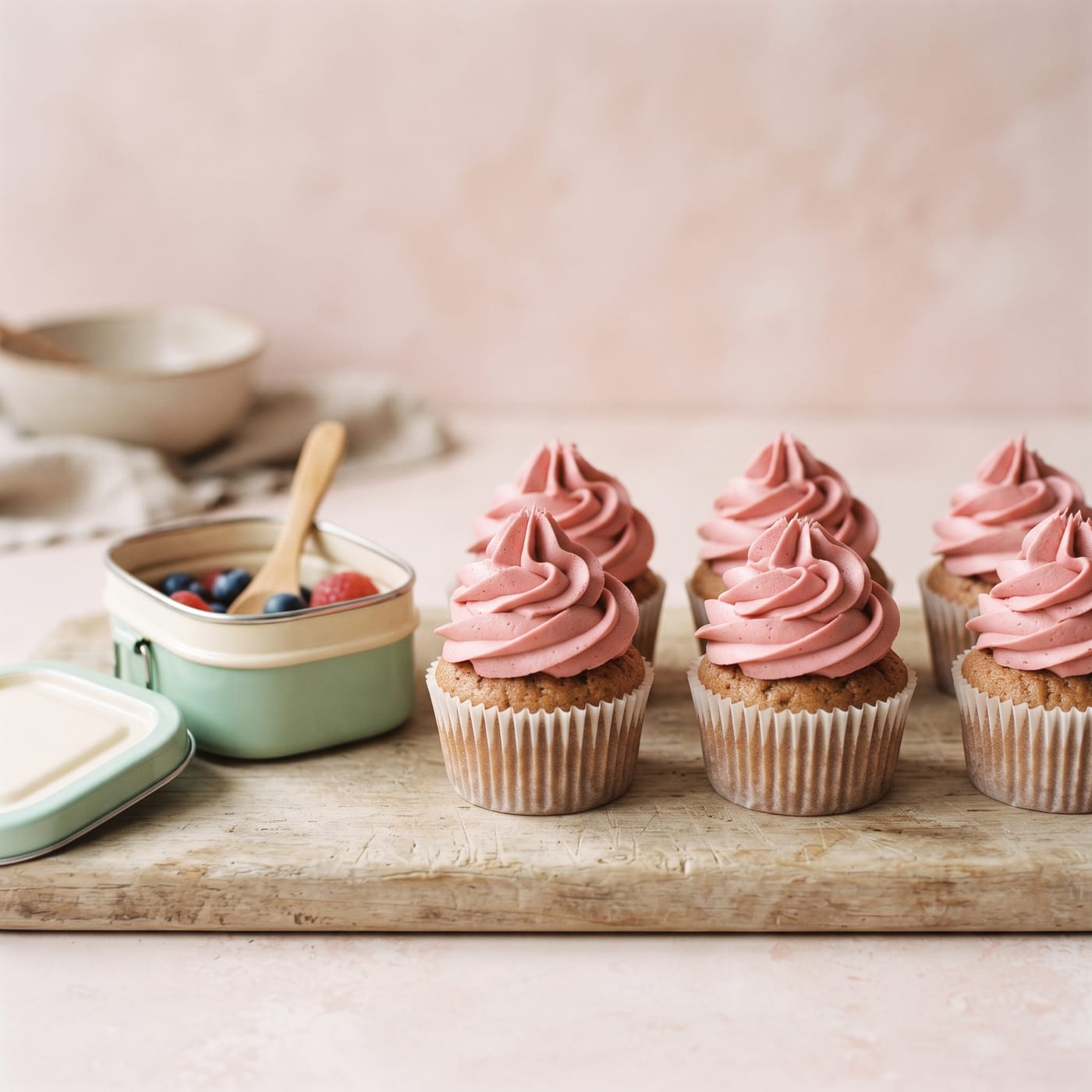
How to Make Cupcakes Kid Allergen-Safe for School
Make cupcakes kid allergen-safe for school by using peanut-free and nut-free ingredients, skipping artificial dyes, checking labels for cross-contact warnings, and packing them in a sealed, labeled container.
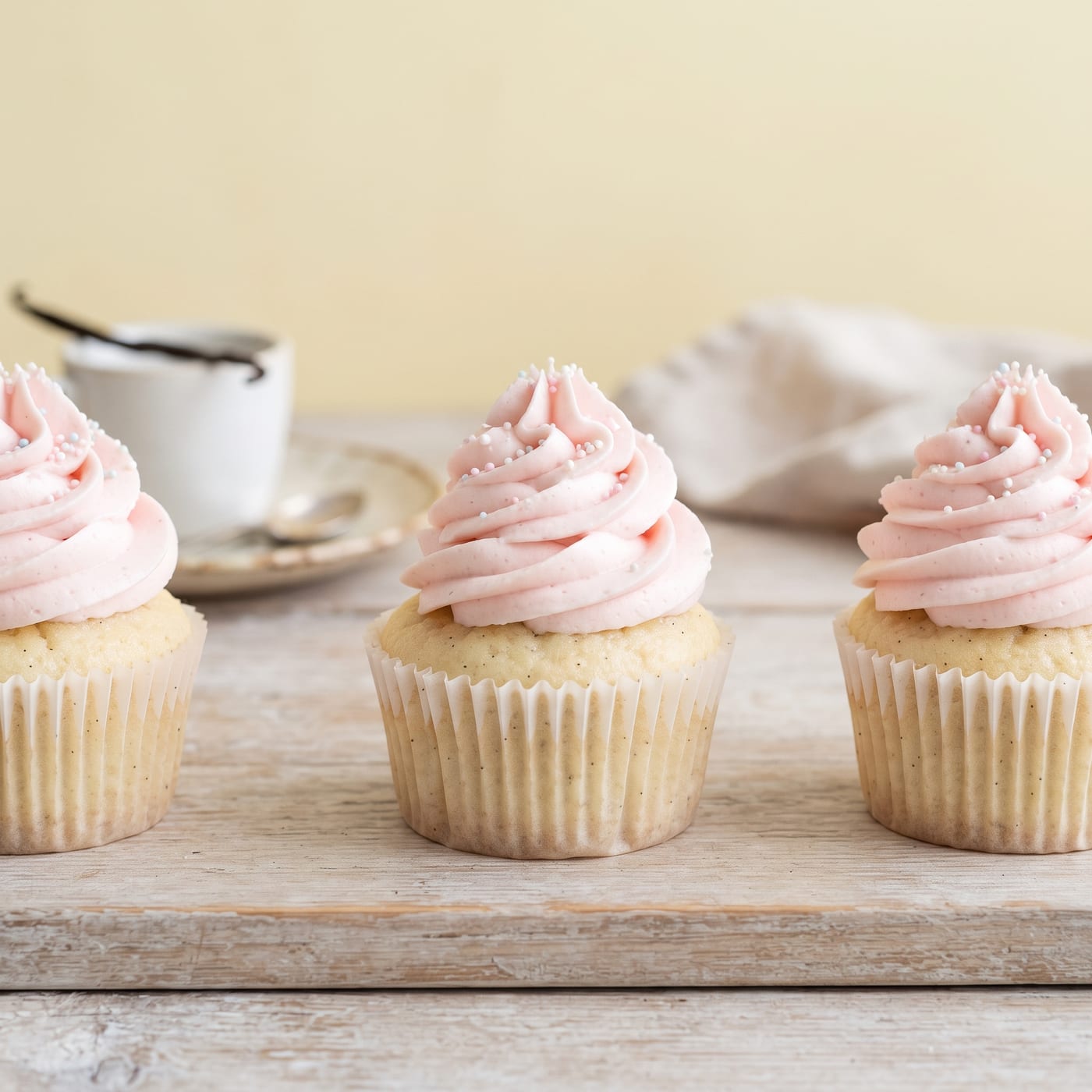
How to Make Cupcakes Low-Sugar Without Losing Flavor
You can cut sugar in cupcakes by half or more using allulose, monk fruit, or a mix, plus a splash of maple extract to rebuild the flavor sugar usually carries.
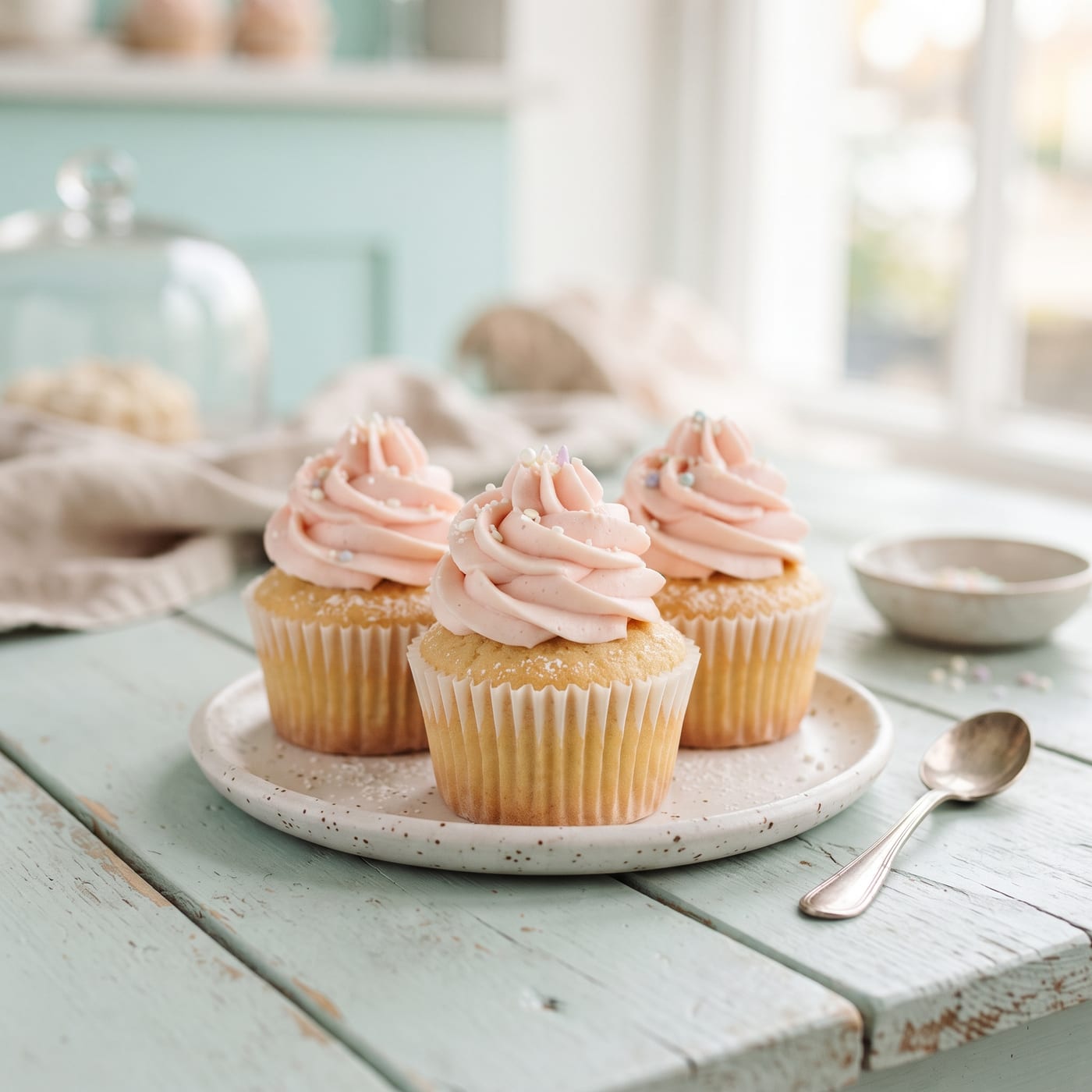
How to Convert Recipes to Dairy-Free
Swap butter for vegan block butter, milk for full fat oat milk, and buttermilk for oat milk plus vinegar. Match fat content closely and your cupcakes bake up just as tender as the original.
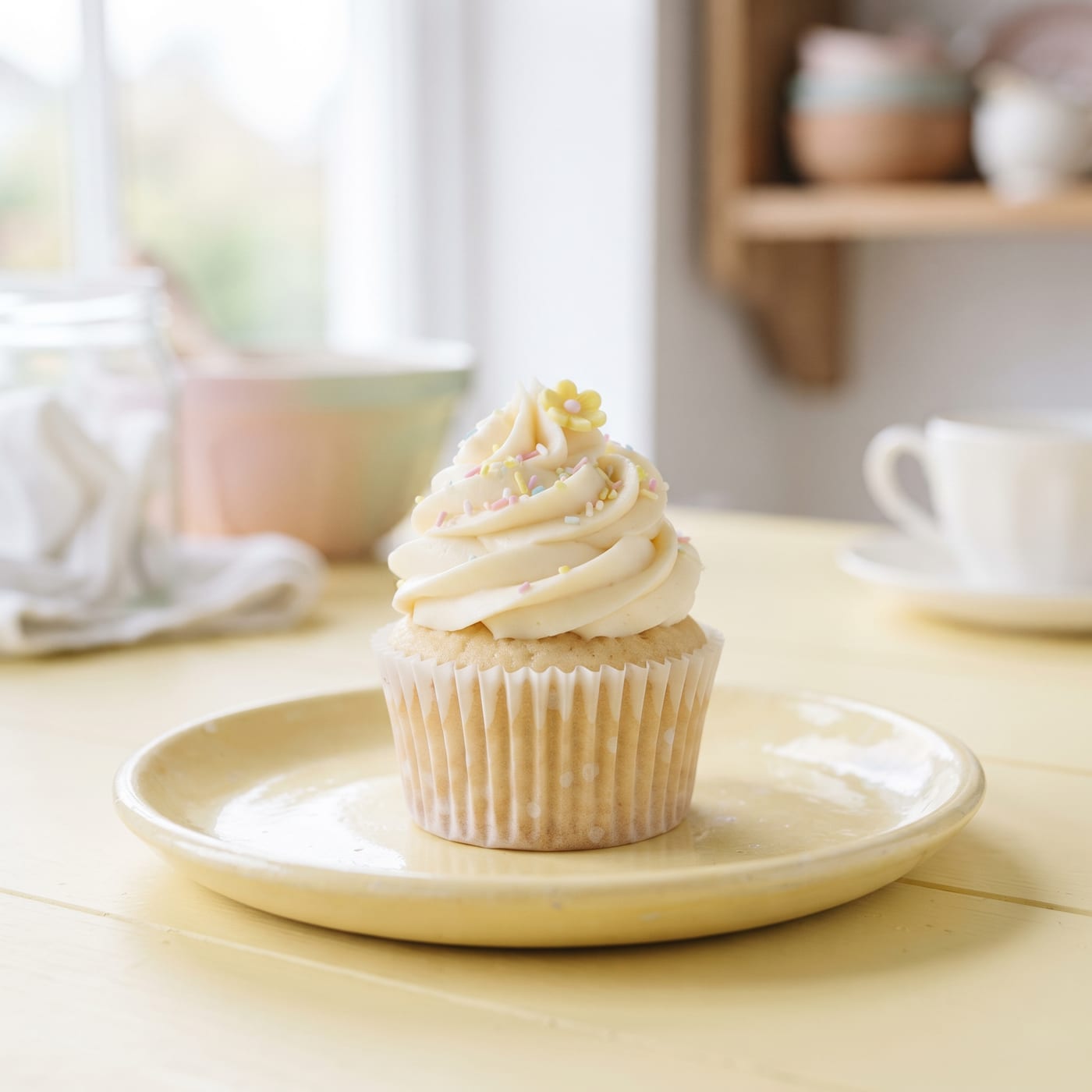
How to Convert Any Cupcake Recipe to Gluten-Free
Swap the wheat flour for a blend of almond flour and tapioca starch at a 3 to 1 ratio, then add one extra egg yolk or two extra tablespoons of liquid to replace the moisture and structure gluten used to provide.
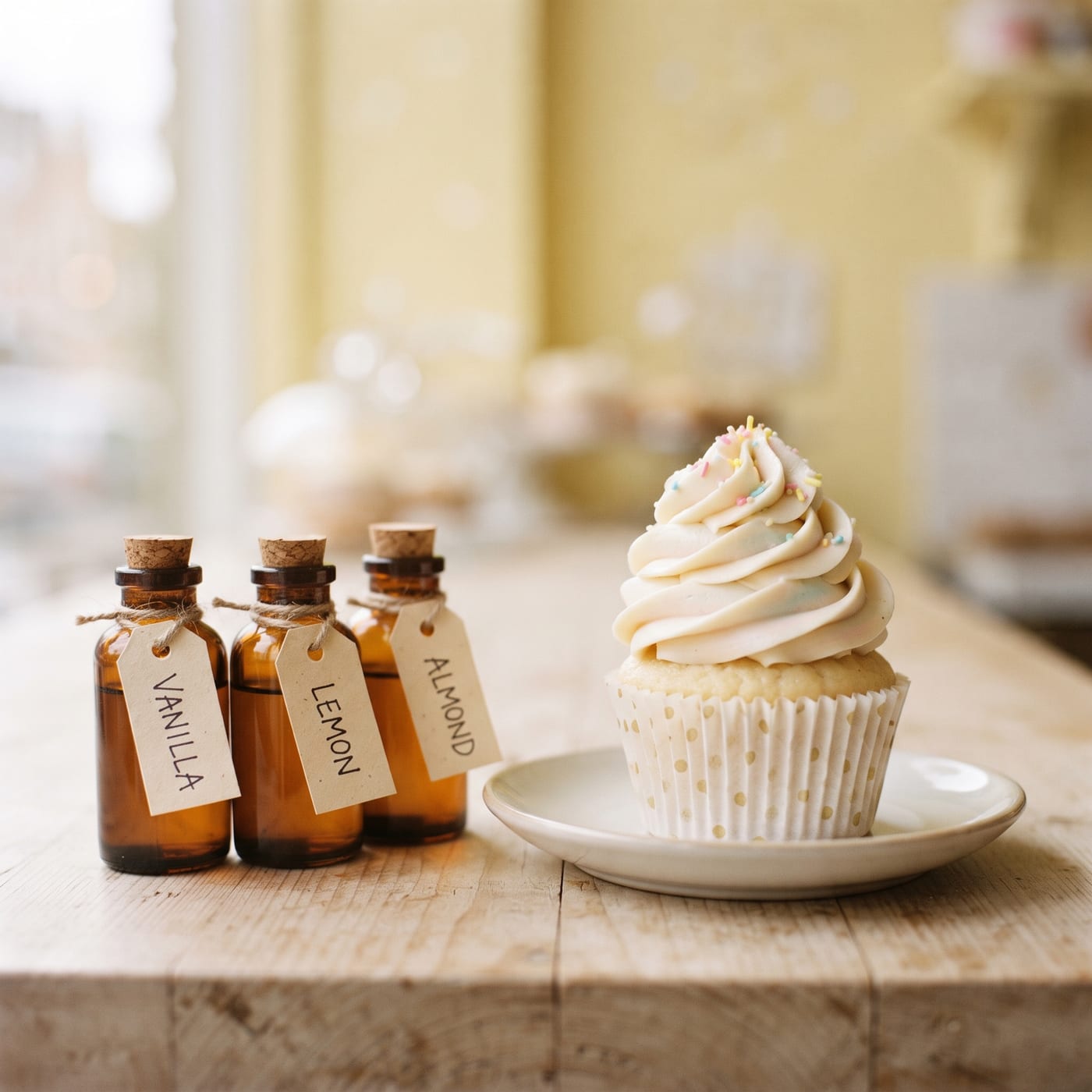
How to Use Extracts and Flavor Essences
Use pure extracts at 1/2 to 1 teaspoon per cup of batter, add citrus zest for brightness, and always add almond extract in small drops since it is much stronger than vanilla.
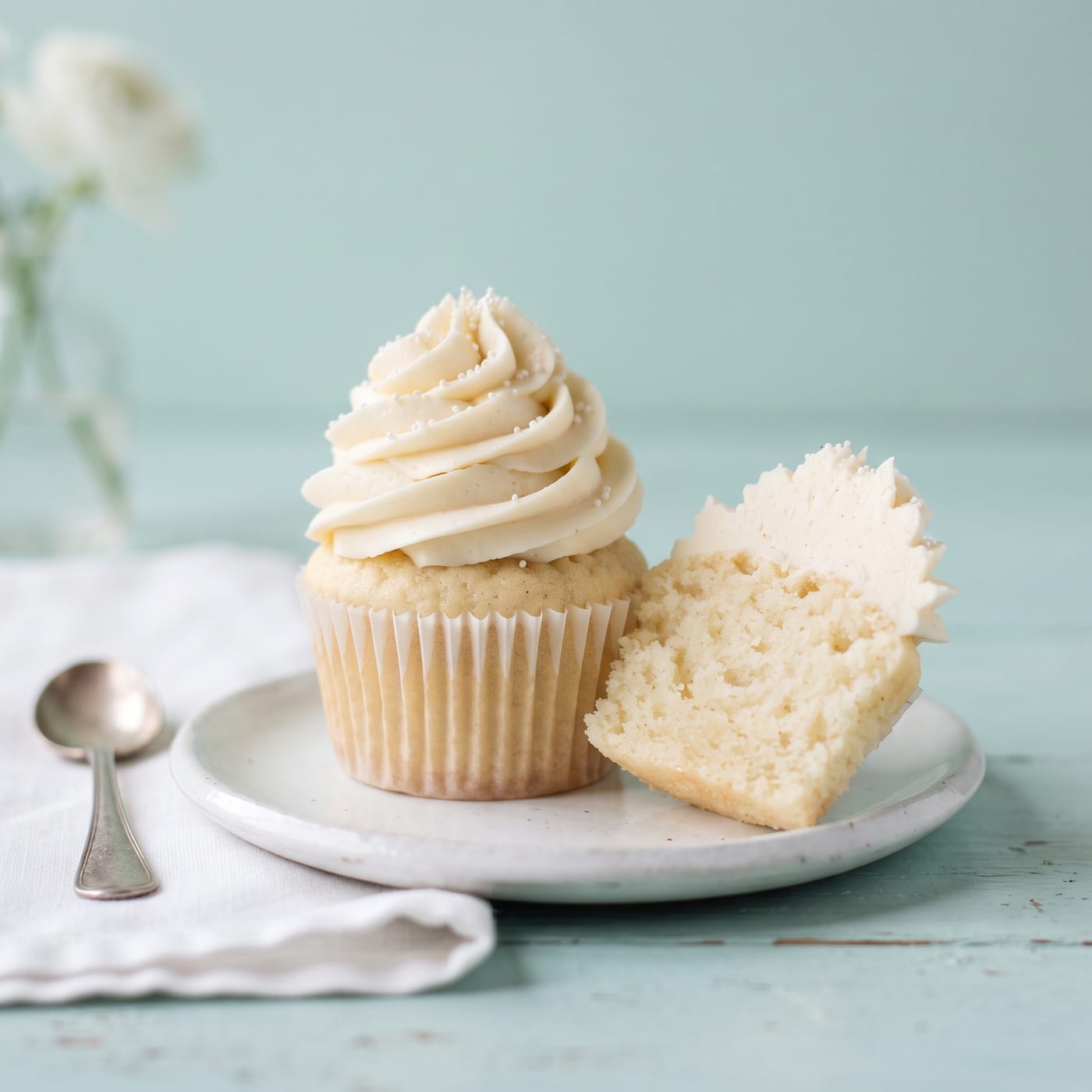
What Baking Powder Actually Does
Baking powder makes cupcakes rise by releasing carbon dioxide gas, which gets trapped in the batter and expands in the oven's heat.
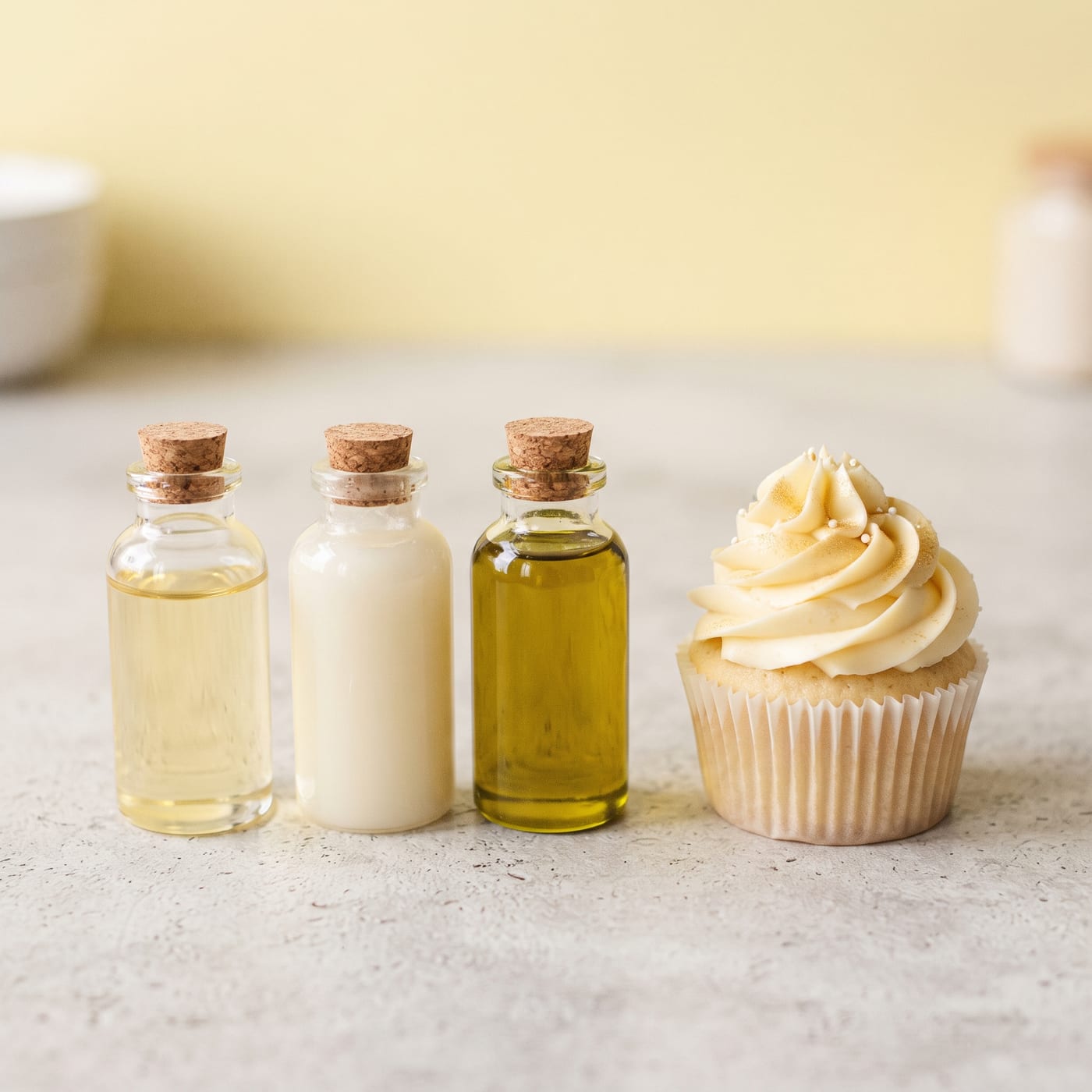
Oils in Baking: Neutral vs Flavorful
Neutral oils like sunflower or canola keep cupcakes moist without changing flavor, while flavorful oils like coconut or olive oil add their own taste. Choose based on whether you want the batter flavor to lead or stay quiet.
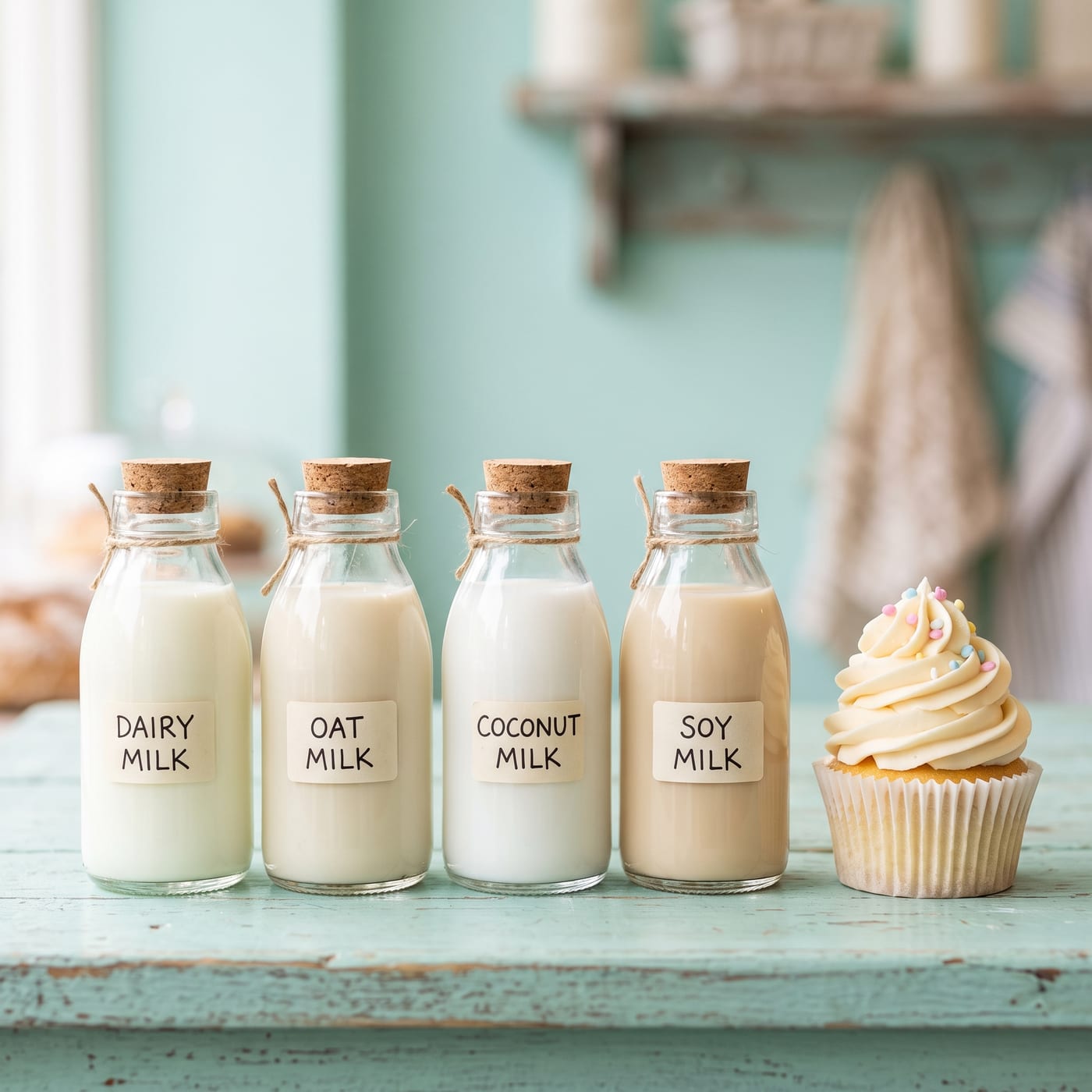
Types of Milk and Milk Alternatives for Cupcakes
Whole milk gives cupcakes the richest, most tender crumb, but oat, soy, and coconut milk each swap in well if you match their fat content and adjust liquid slightly.
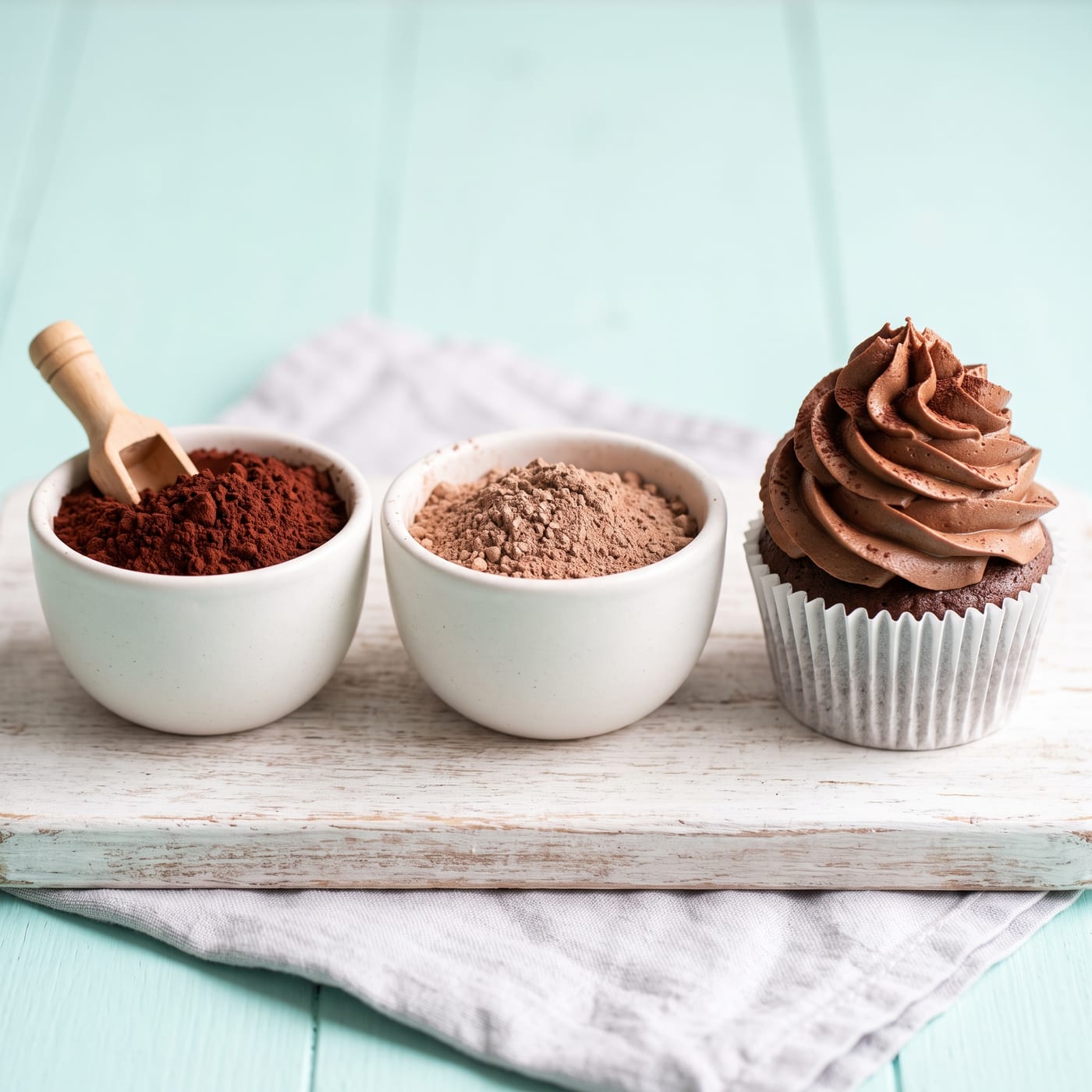
Cocoa Powder Types: Dutch vs Natural
Dutch process cocoa is treated with alkali, so it tastes smoother and darker, while natural cocoa is untreated. More acidic, and sharper in flavor. Recipes with baking soda usually need natural cocoa, and recipes with baking powder usually need Dutch process.
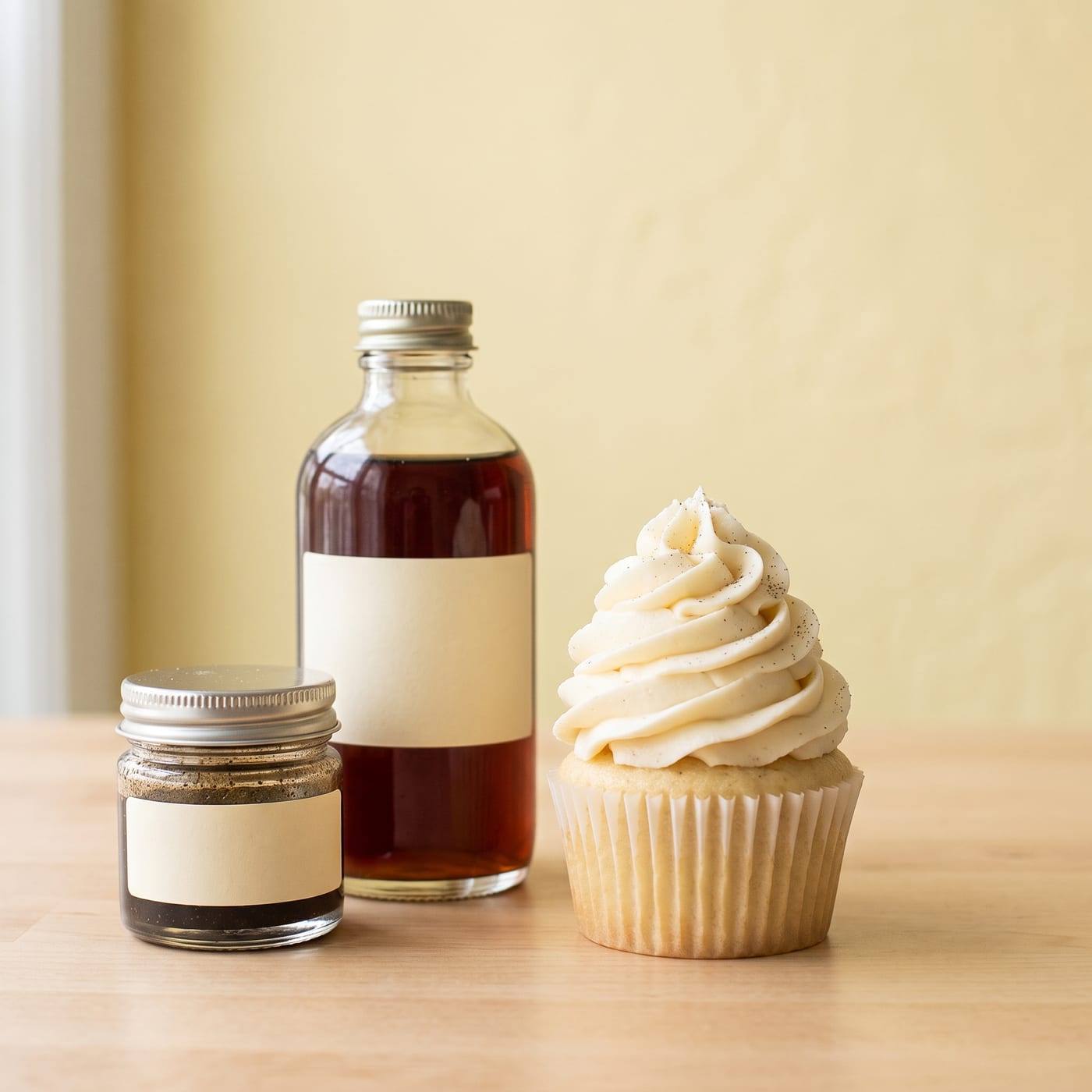
How to Choose Quality Vanilla: Extract vs Paste
Pure vanilla extract gives clean, even flavor in batter, while vanilla bean paste adds deeper aroma and visible flecks. Choose extract for everyday baking and paste when vanilla is the main flavor.
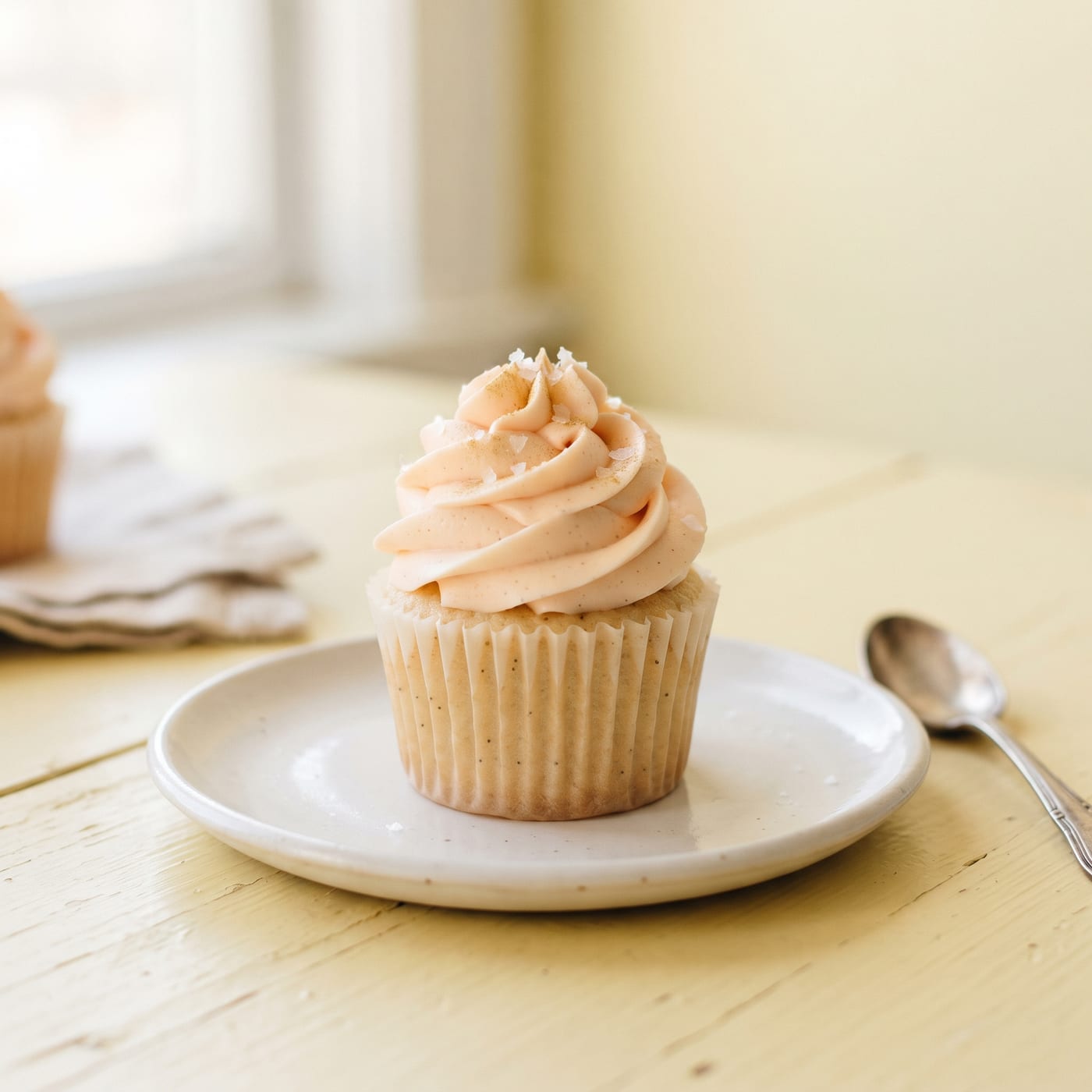
The Secret Power of Salt in Sweet Baking
Salt in cupcake batter does not make things taste salty. It blocks bitterness, sharpens sweetness, and makes vanilla and chocolate taste more like themselves.
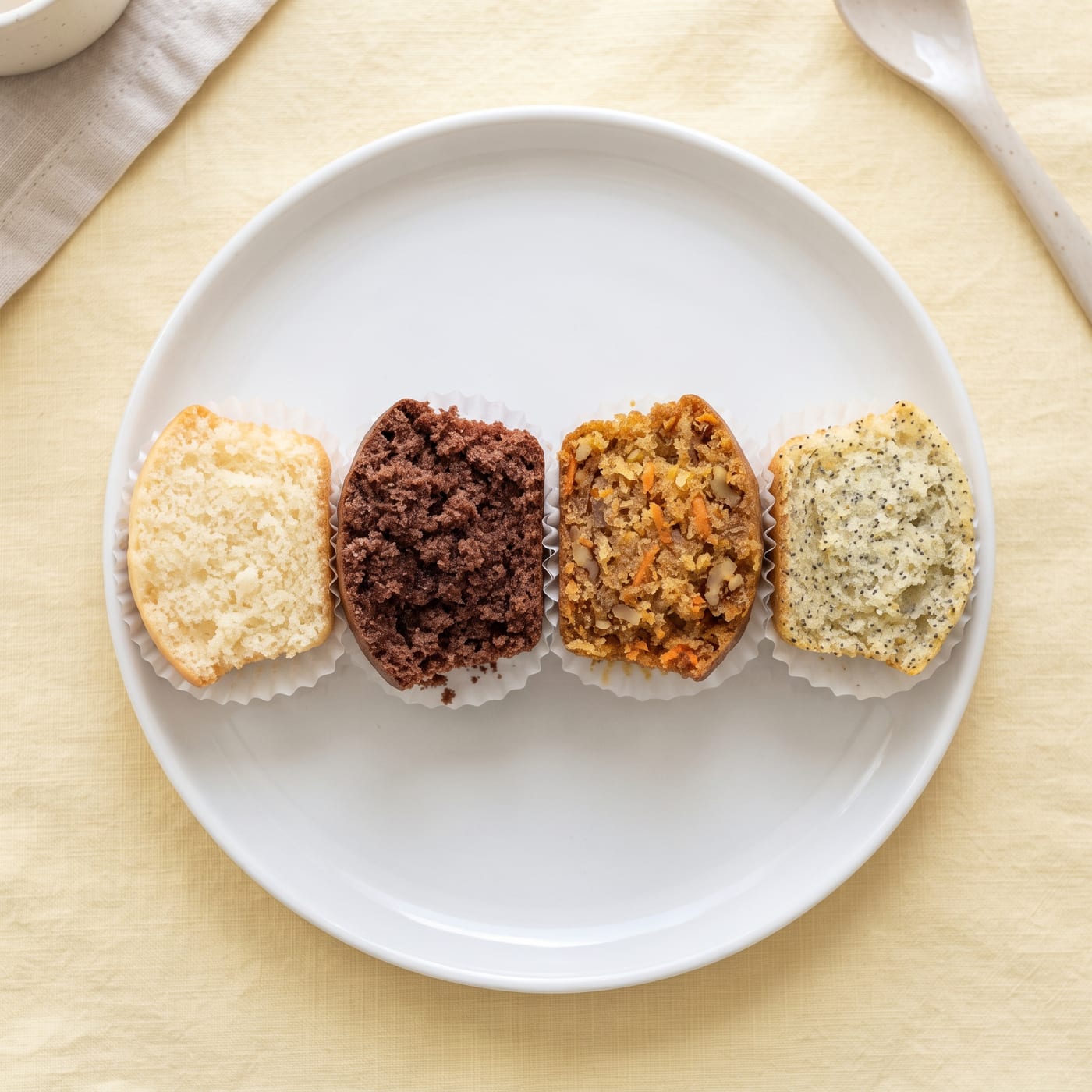
Which Flour Makes the Fluffiest Cupcakes?
Cake flour makes the fluffiest cupcakes because its lower protein content builds a softer crumb. All purpose flour gives a sturdier bite, while gluten free blends and almond flour need extra binding help to stay light.
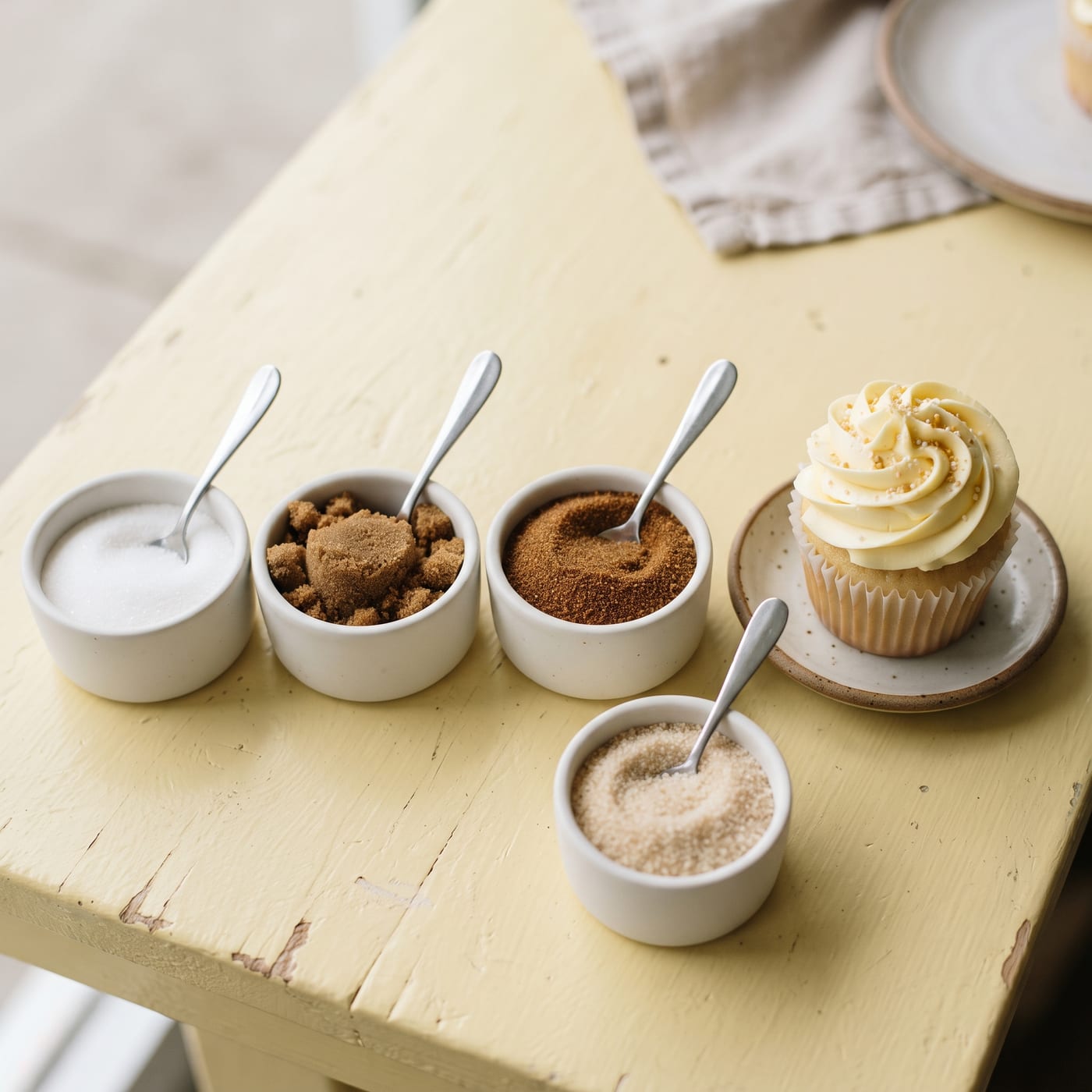
All About Sugar: White, Brown, Coconut, Maple
White sugar gives clean sweetness and light texture, brown sugar adds moisture and caramel notes, coconut sugar brings a mild toffee flavor, and maple sugar adds a distinct maple taste with less sweetness overall.
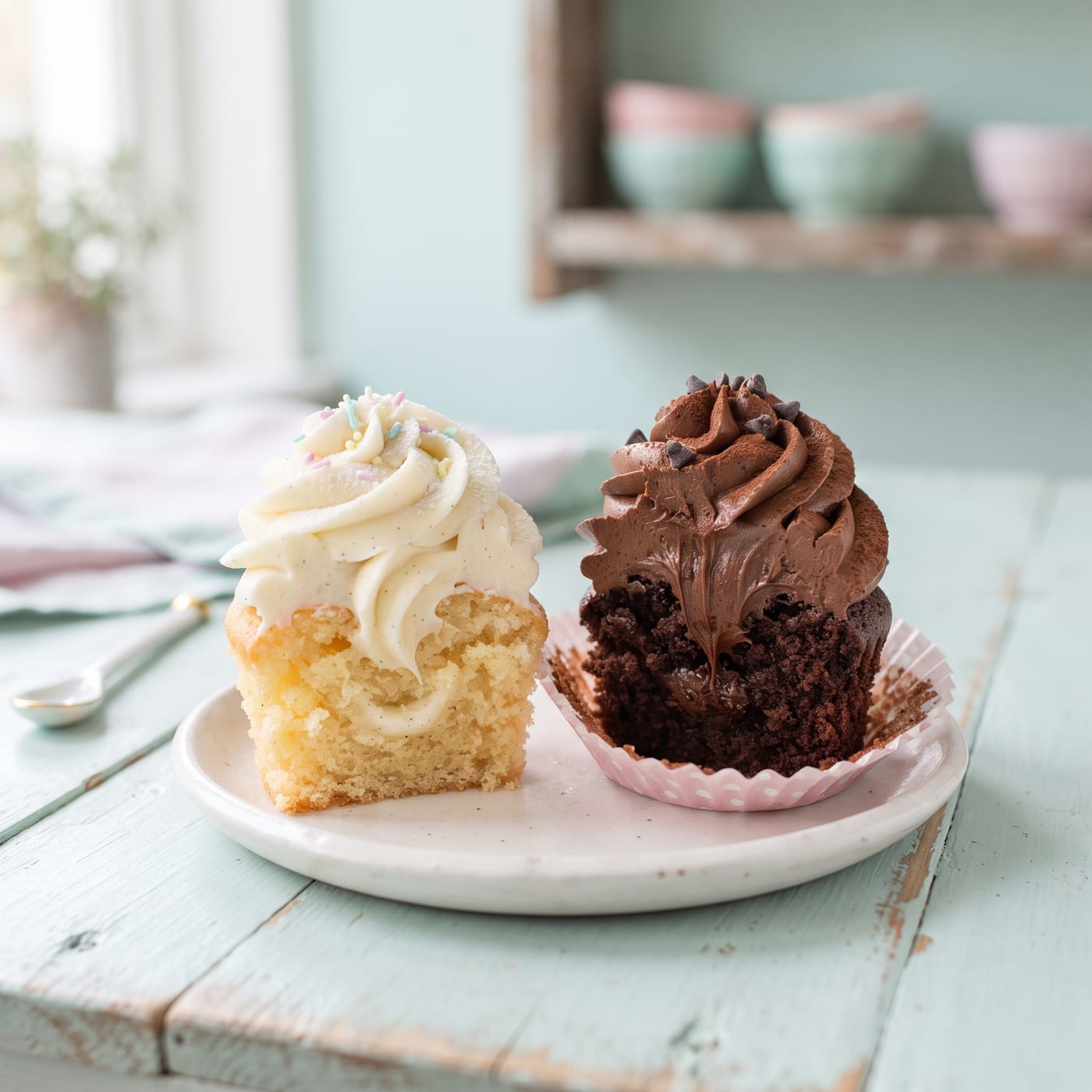
Butter vs Oil in Cupcake Batter
Butter gives cupcakes more flavor and a firmer crumb, while oil gives a moister, softer crumb that stays tender for days. Use butter for flavor-forward cakes and oil for moist everyday cupcakes.
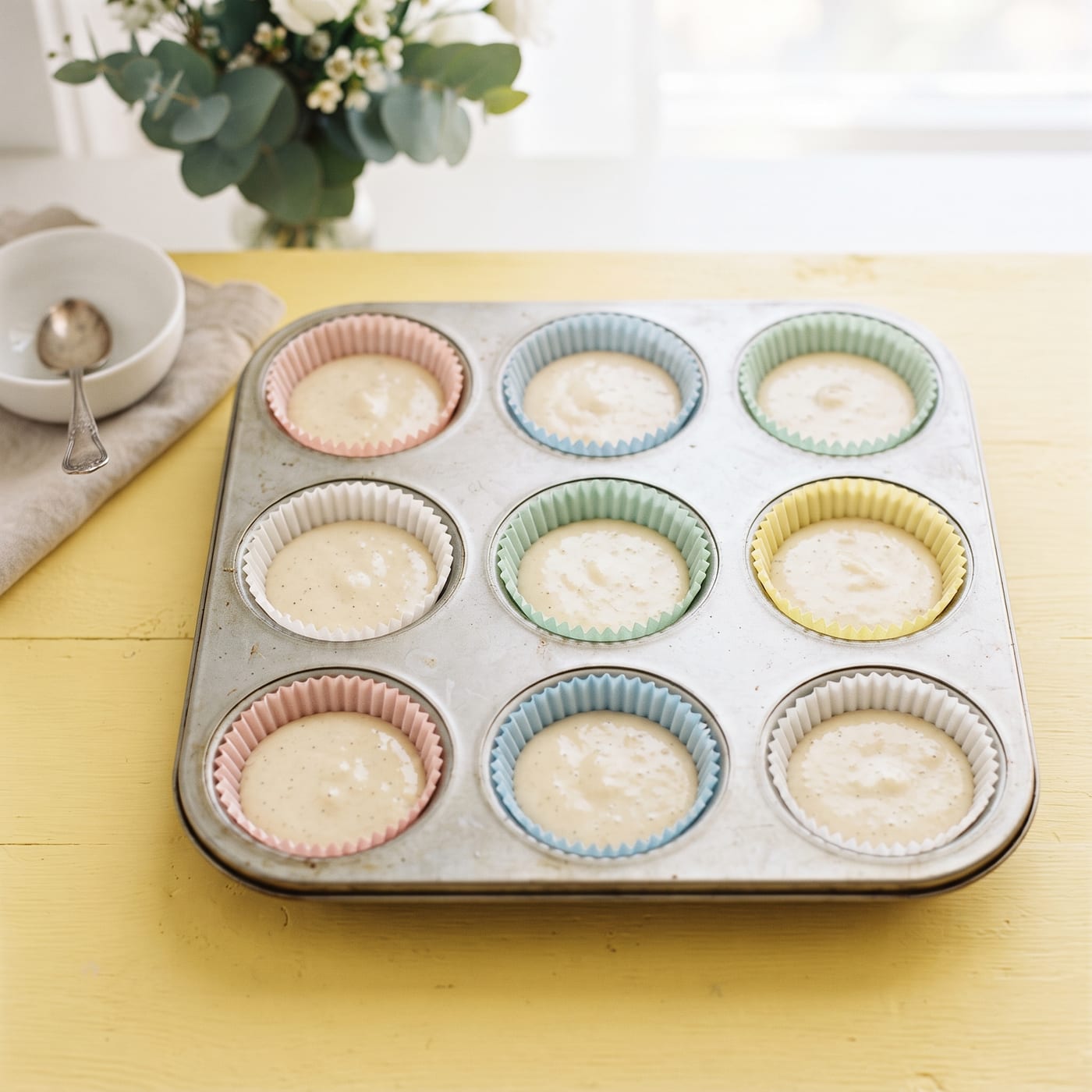
Cupcakes Overflowing? Here's the Fix
Cupcakes overflow when liners are filled past three-quarters full or when batter is too thin and full of gas from overmixing or too much leavener. Fill to three-quarters, check your batter thickness, and measure leavener carefully.
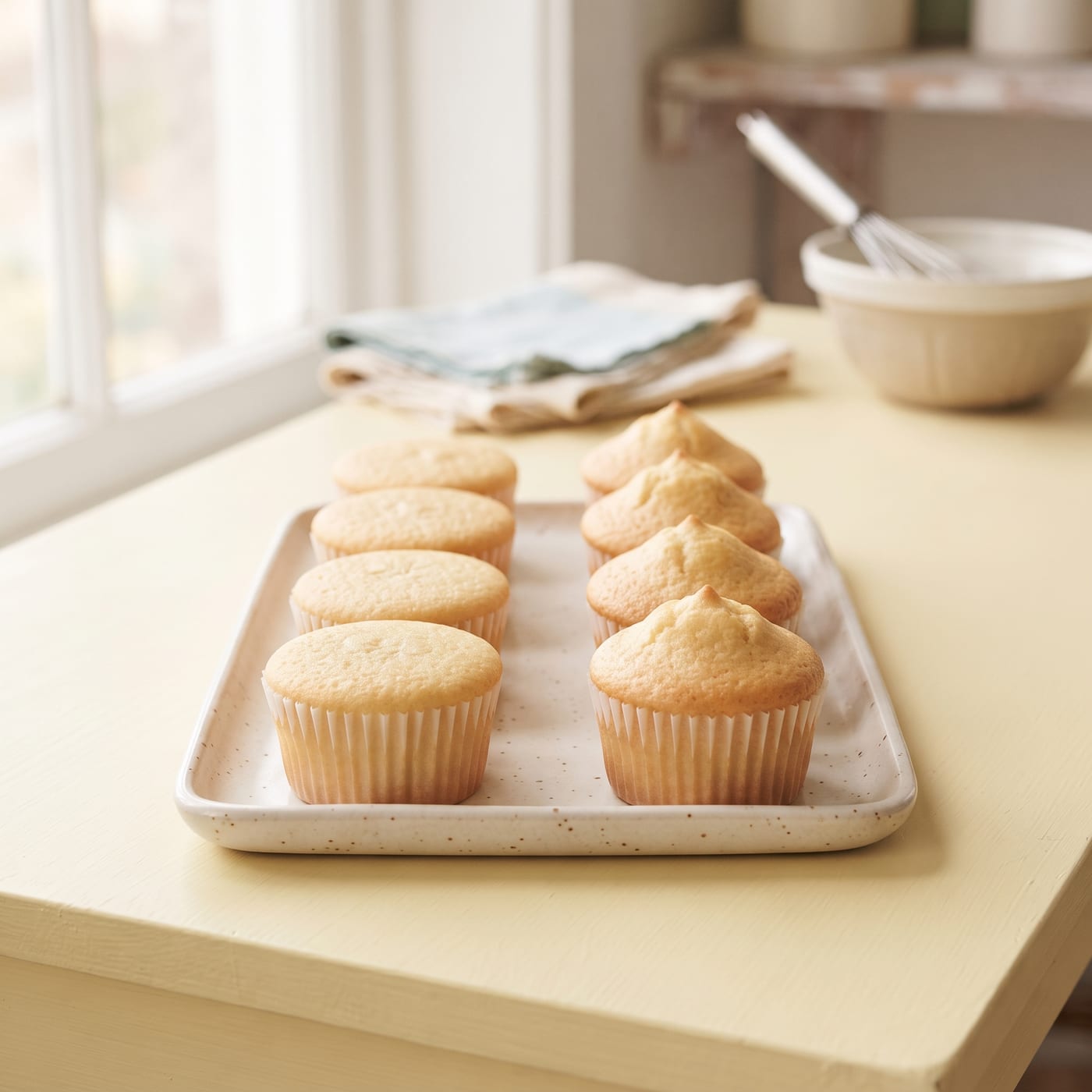
Why Do Cupcakes Dome or Balloon?
Cupcakes dome or balloon when the outside sets before the inside finishes rising. Usually from an oven that runs too hot or a batter that leans too rich in leavener. Fix the fill height and oven temp and the tops flatten out.
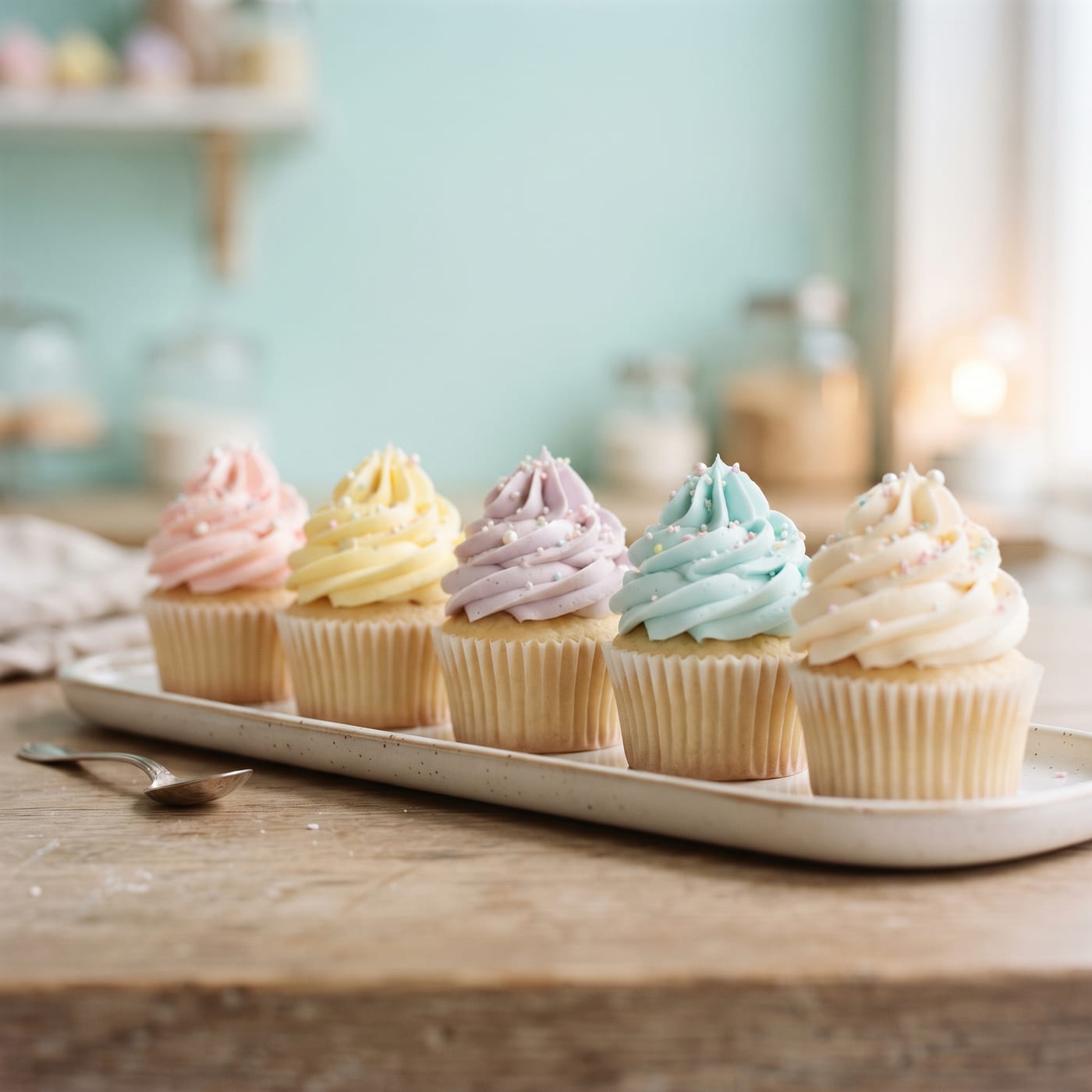
Why Do Cupcakes Taste Eggy?
Cupcakes taste eggy when there is too much egg for the amount of flour and sugar, or when the batter is overbeaten and traps too much raw egg smell in the crumb.
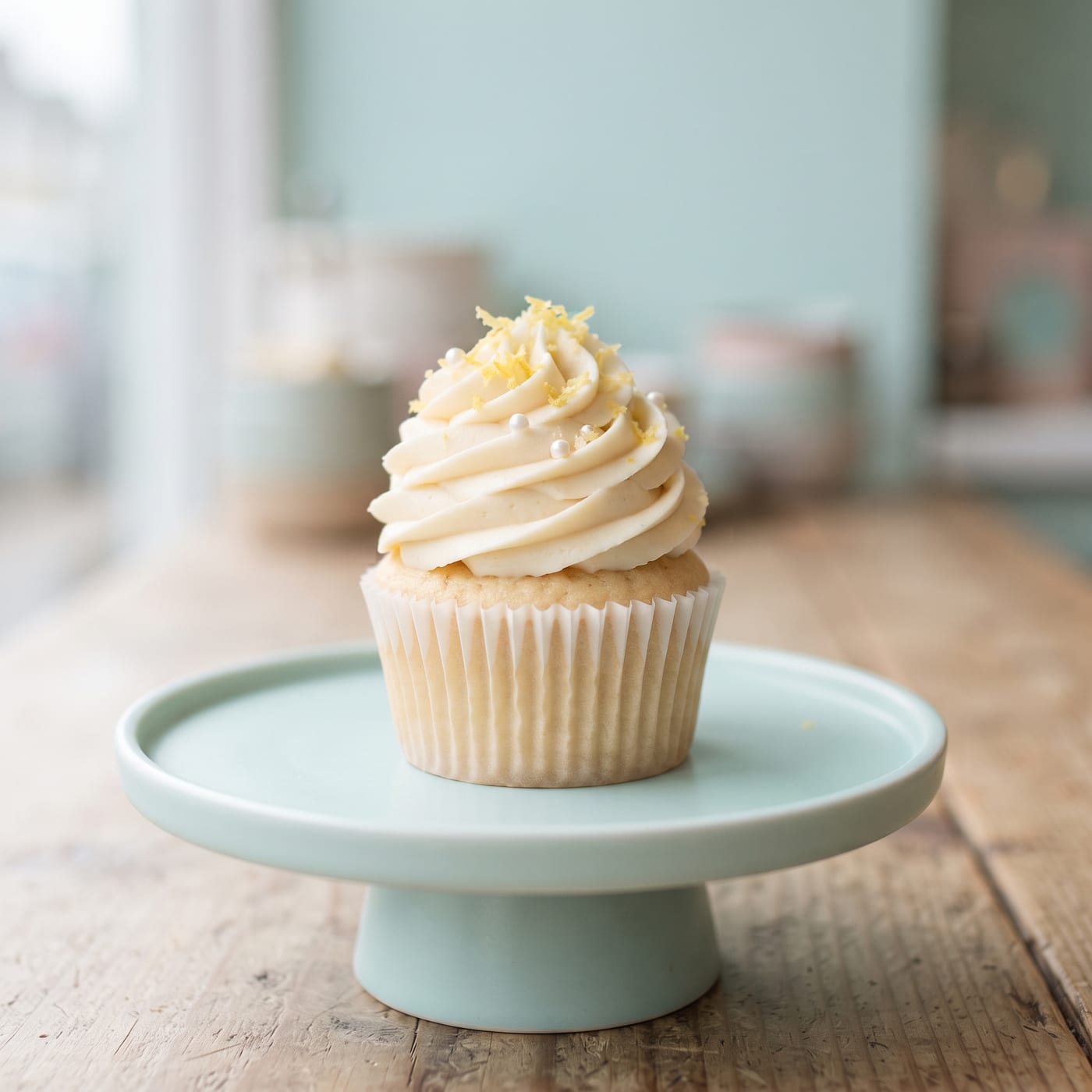
Why Cupcakes Taste Bland and How to Boost Flavor
Bland cupcakes usually come from too little salt, weak or fake extracts, and only one flavor layer. Fix all three and even a basic vanilla cupcake tastes far more interesting.
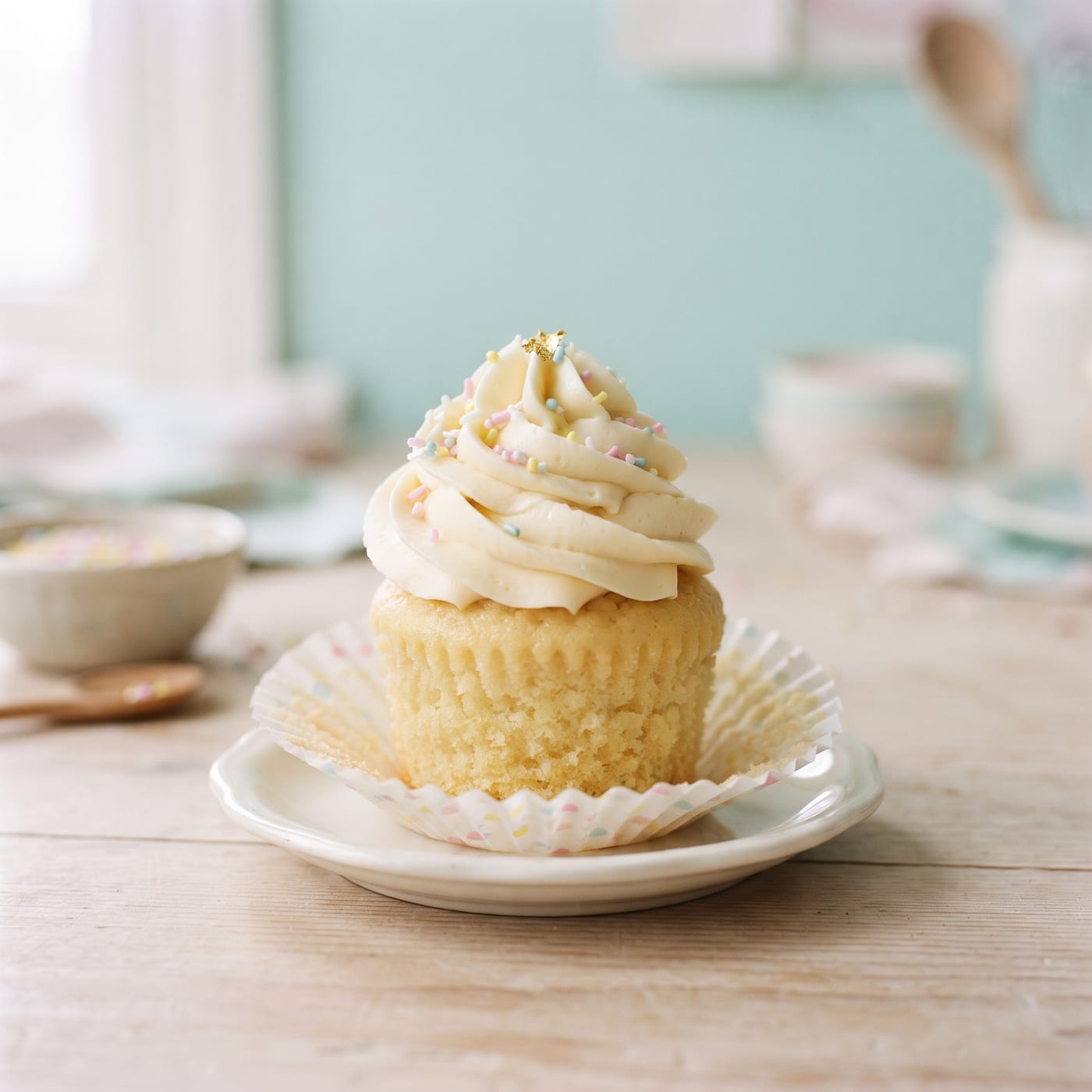
Cupcakes Sticking to Liners? Here's What to Do
Cupcakes stick to liners when there is too much sugar or fat in the batter, when they cool too fast, or when the liners are thin and low quality. Fix it with the right sugar to flour ratio, a full cooling rest, and parchment style liners.
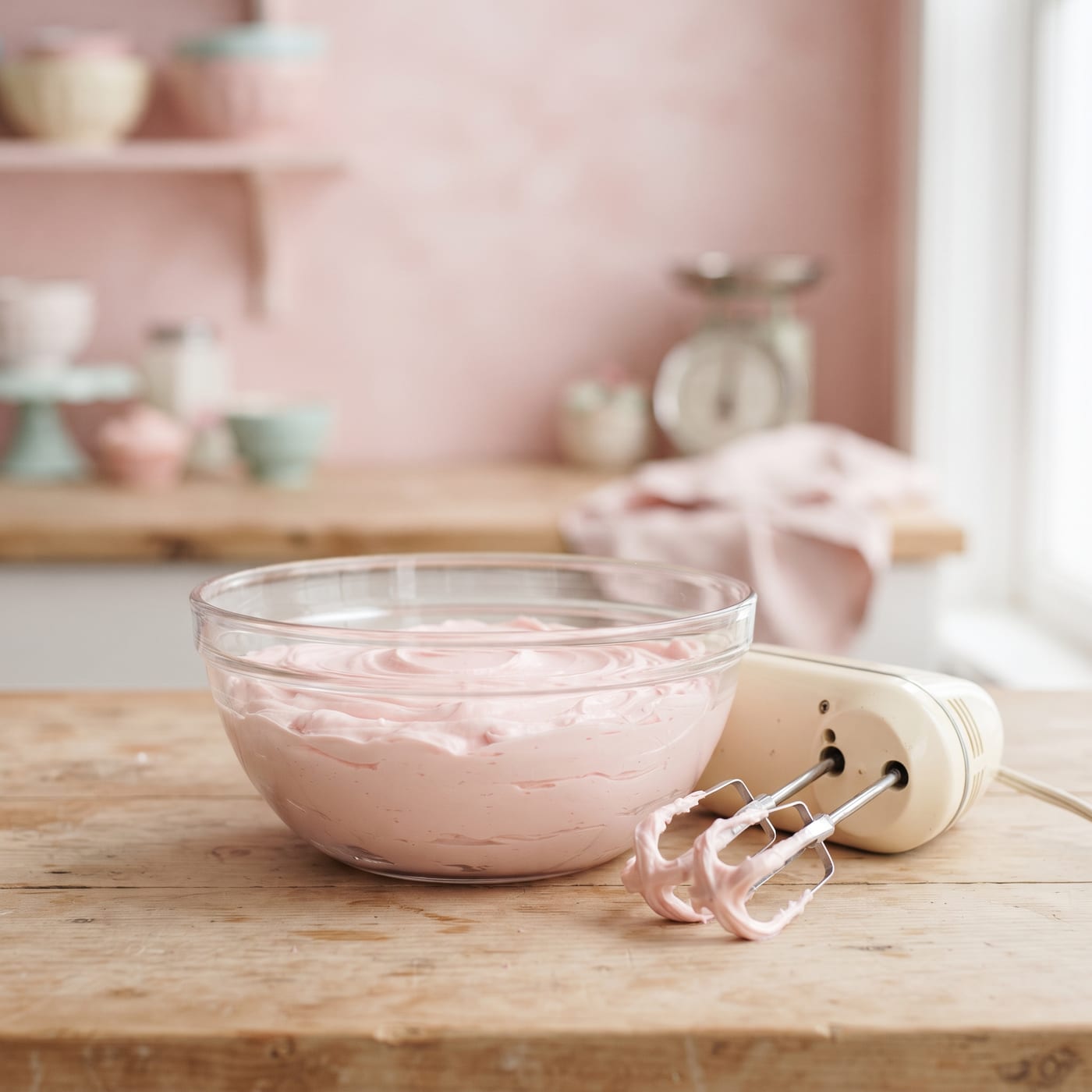
How to Fix Runny or Too Stiff Frosting
Fix runny frosting by adding powdered sugar in small amounts or chilling it briefly. Fix stiff frosting by beating in milk or cream one teaspoon at a time until it smooths out.
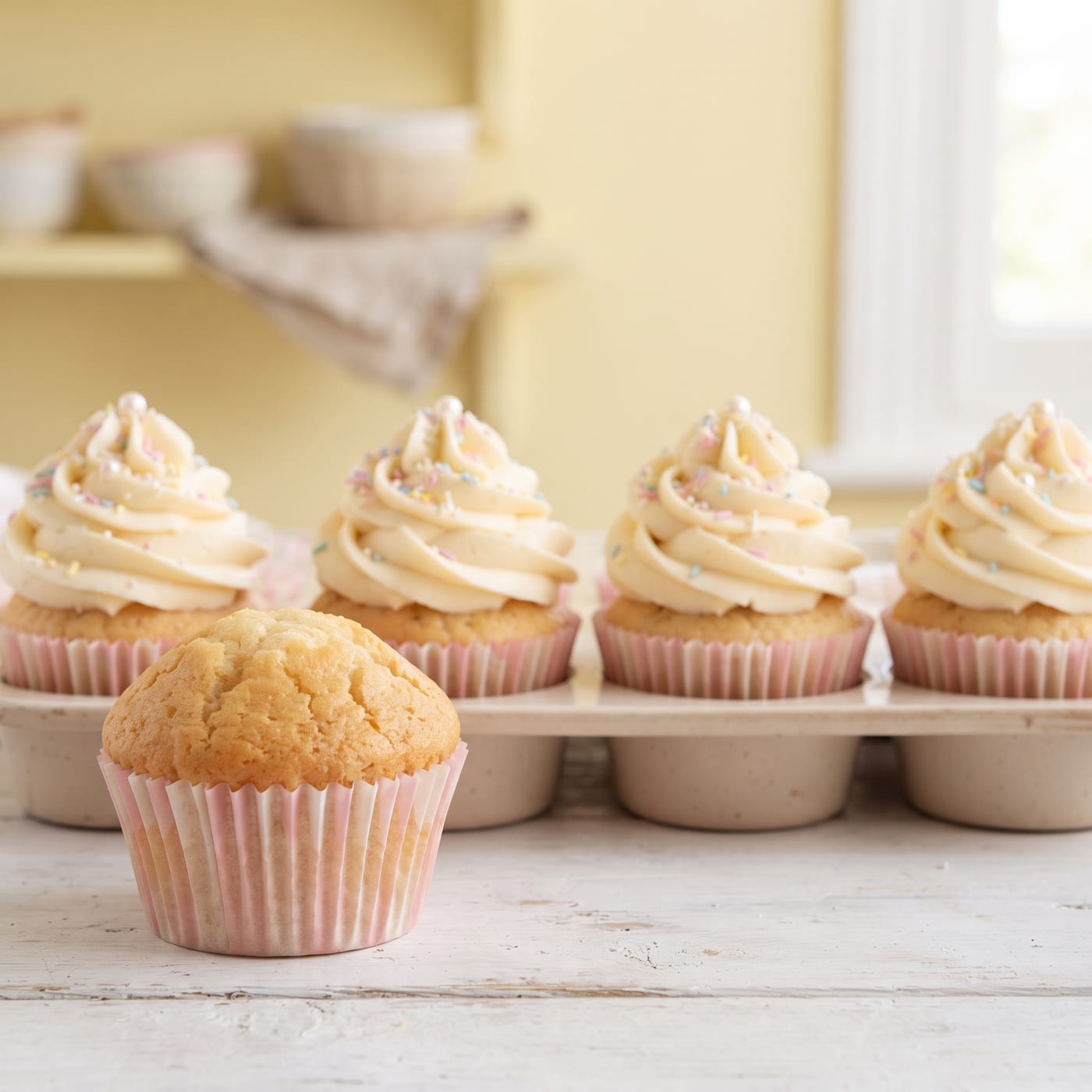
Why Do Cupcakes Crack on Top?
Cupcakes crack on top when the oven is too hot or the batter has too much leavening, so the outside sets before the inside finishes rising and pushes through.
Why Are My Cupcakes Dry?
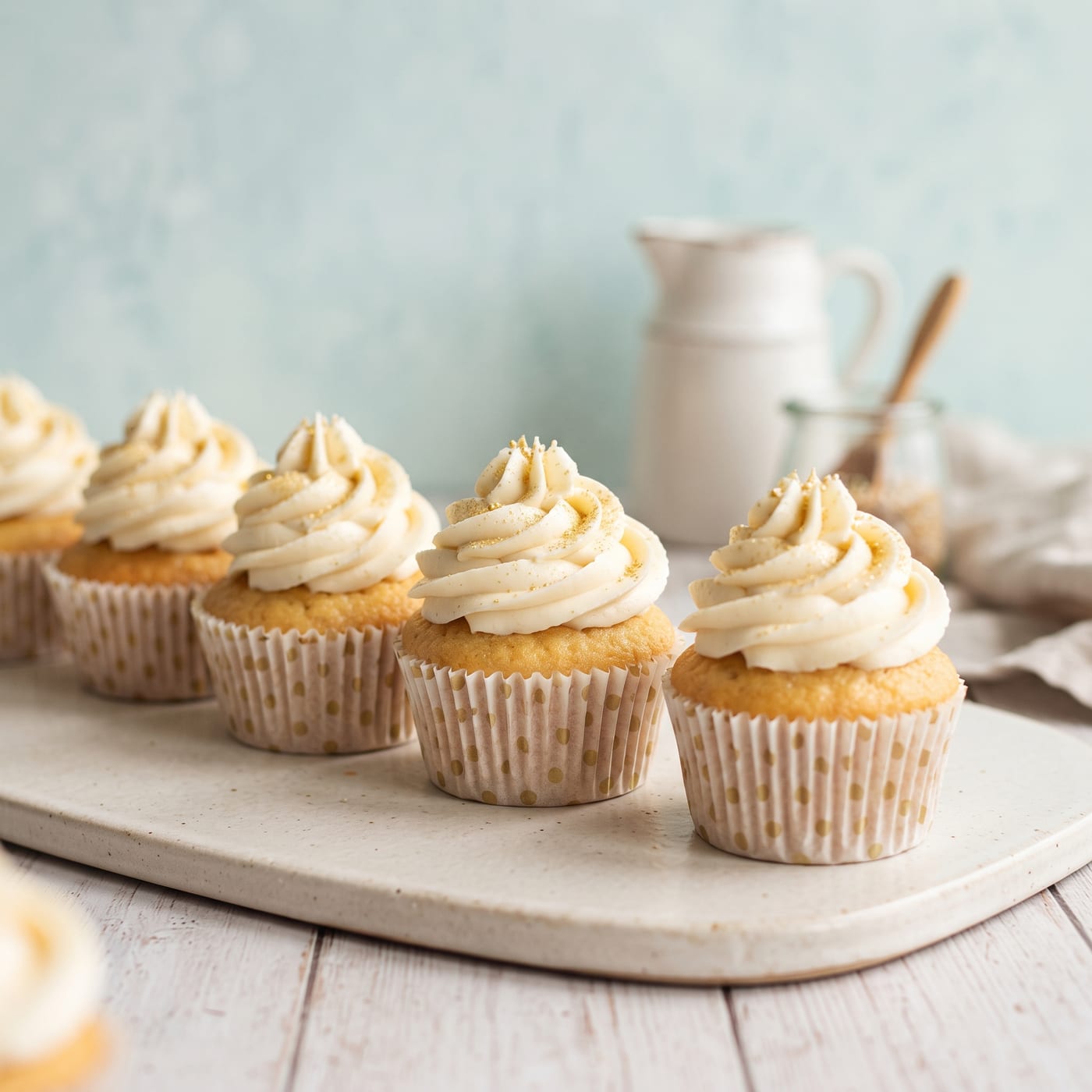
Dry cupcakes usually come from overbaking, too much flour, or overmixing the batter. Fix all three and most dry-crumb problems disappear.
How to Use a Piping Bag Without Mess
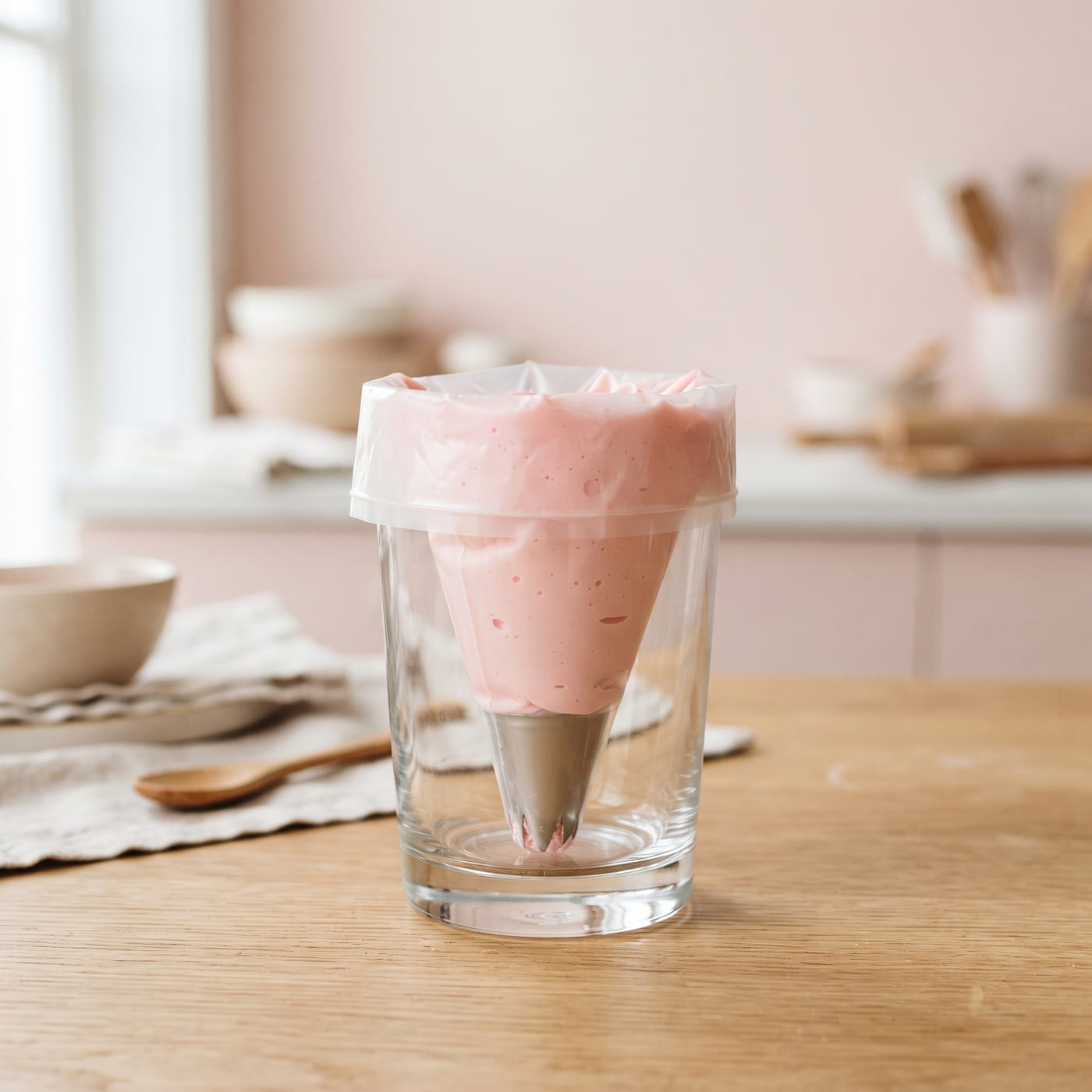
Fold the top of the bag down like a cuff, fill it only halfway, then twist the top and grip with one hand to pipe frosting without squeezing it out the wrong end.
How to Make Frosting Stable in Hot Weather
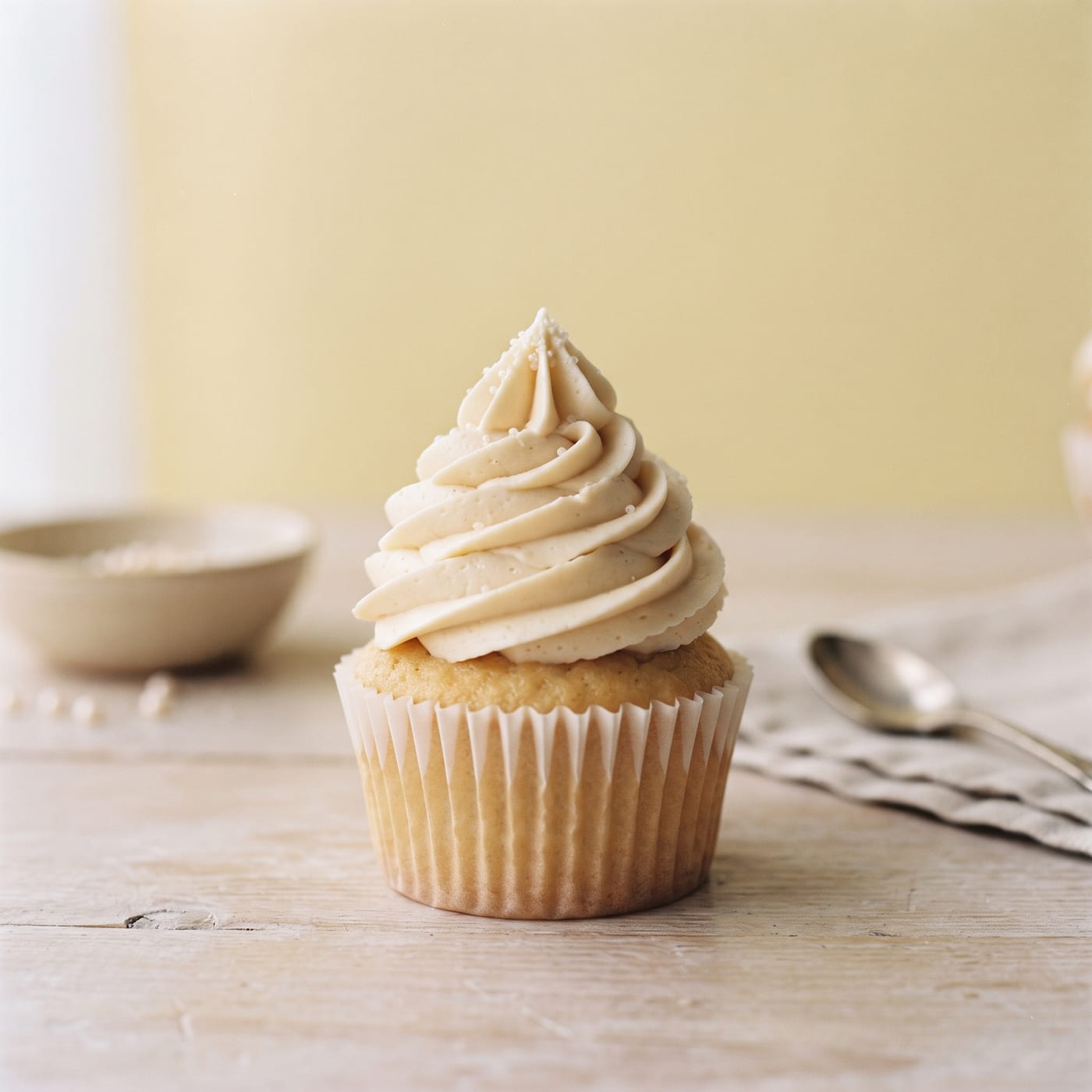
Stable hot weather frosting uses less liquid, more structure ingredients like shortening or cream cheese, and a cornstarch boost to hold its shape above 80°F.
Boutique Bakery Finishing Touches
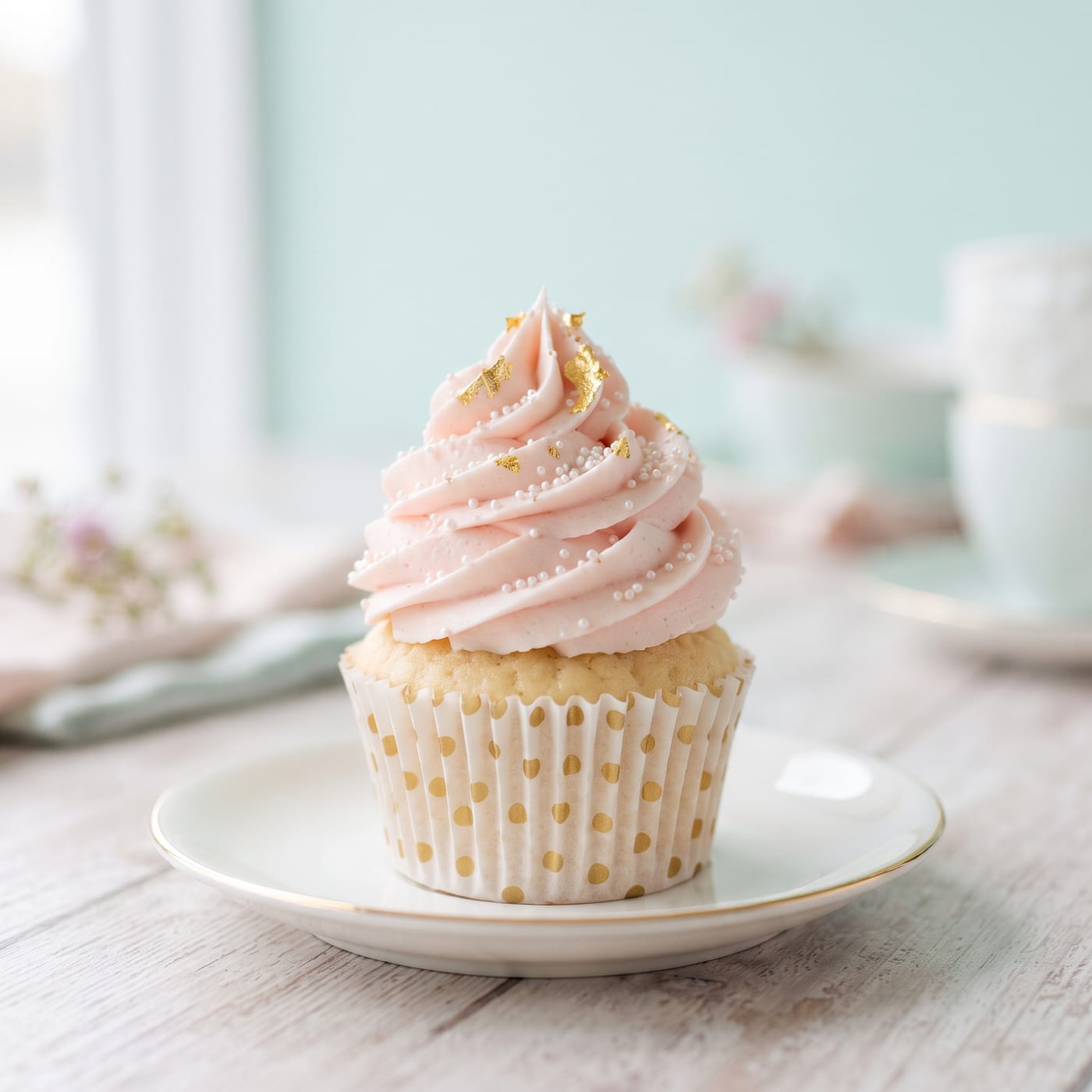
Boutique bakery finishing touches come from three simple tools: micro pearls for texture, gold leaf for shine, and controlled garnish placement so every cupcake looks intentional, not overloaded.
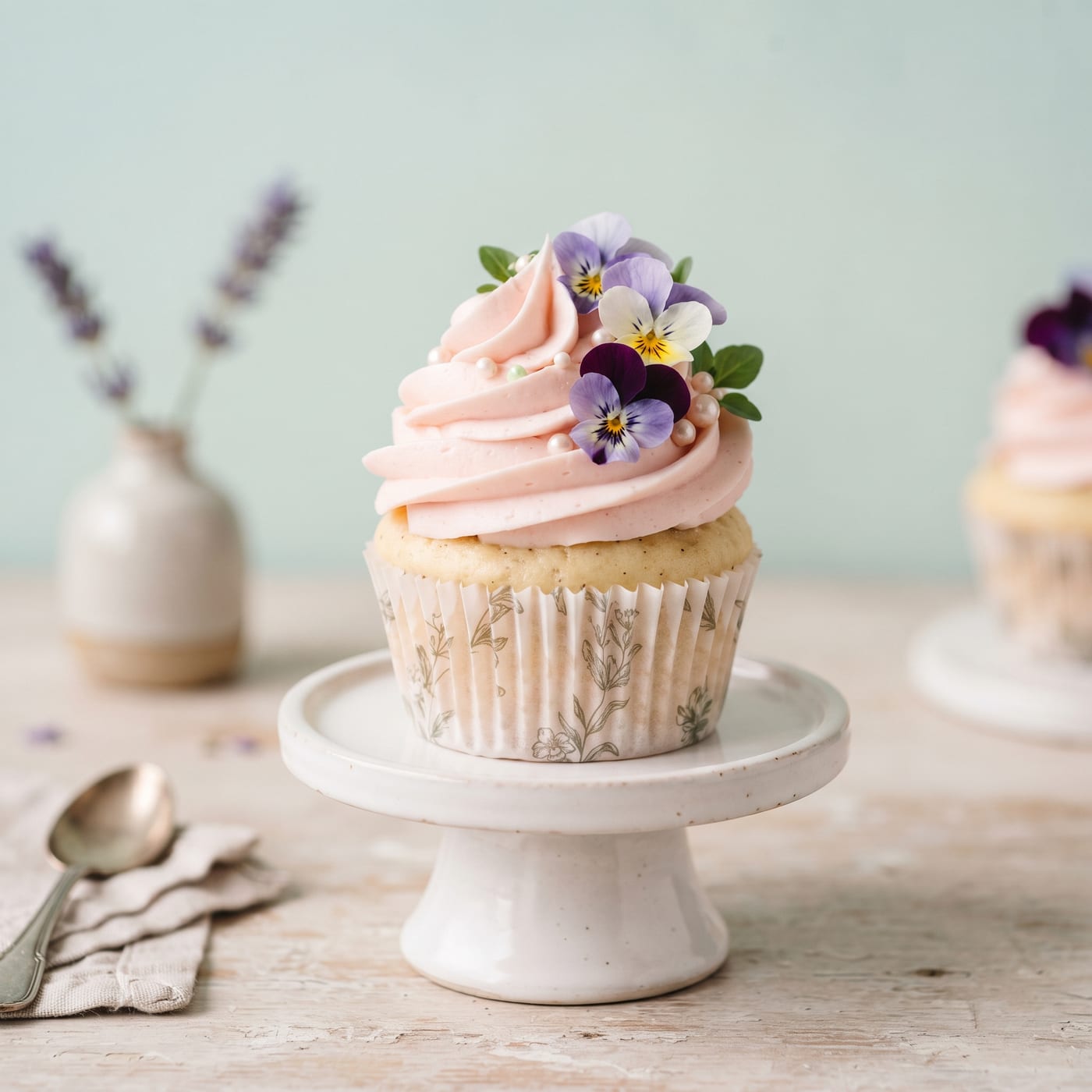
Edible Flowers on Cupcakes: A Safe Guide
Safe edible flowers for cupcakes include pansies, violas, nasturtiums, calendula, and roses grown without pesticides. Always confirm the flower is food grade and never use ones from a florist or garden center.
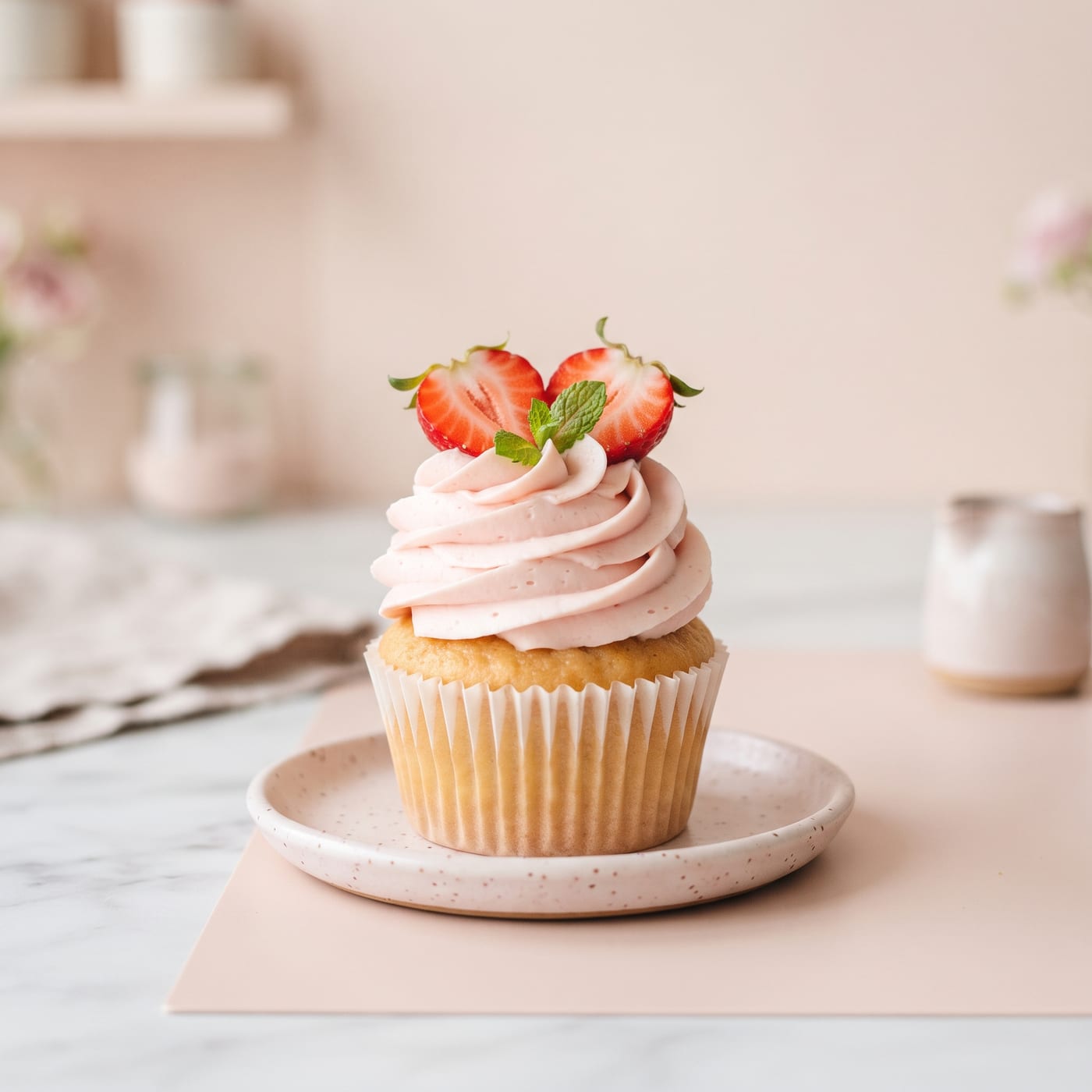
How to Decorate Cupcakes with Fresh Fruit
Cut fruit thin, blot it dry, and add it just before serving so juice never bleeds into your frosting.
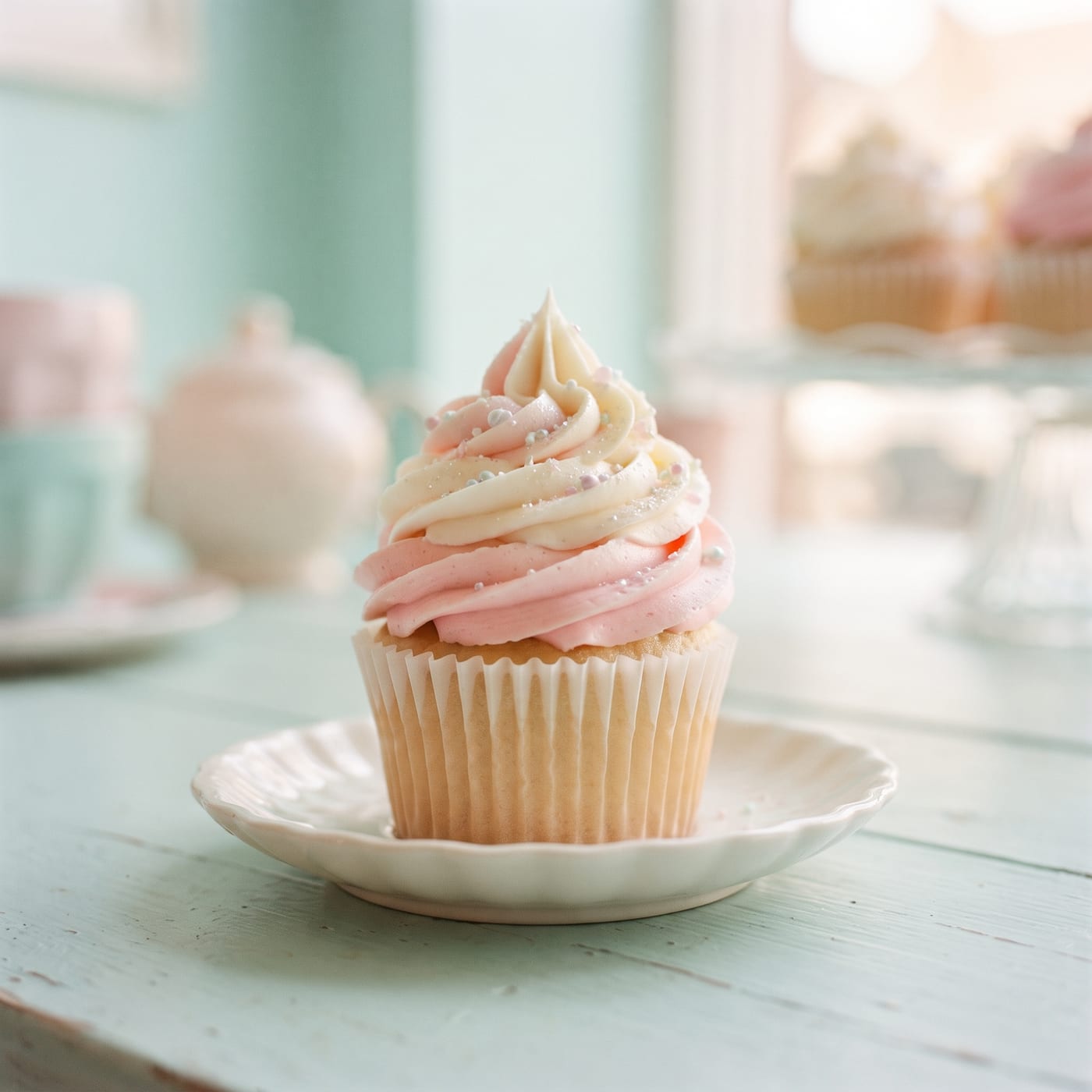
Ombre and Two-Tone Frosting Swirls
Ombre and two-tone frosting swirls come from piping two shades of the same buttercream side by side in one bag, so each swirl blends light to dark without any mixing on your part.
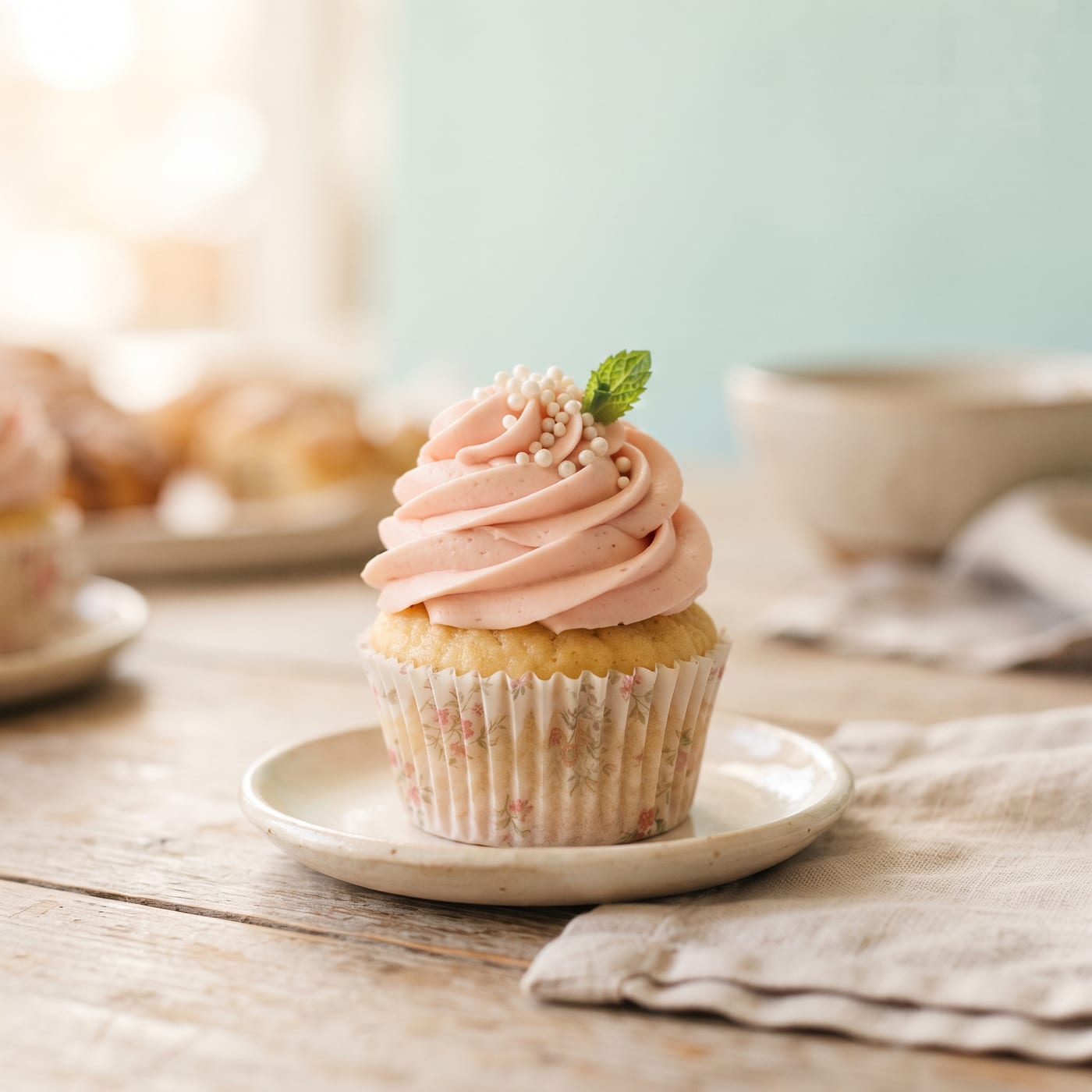
How to Decorate Cupcakes Like a Boutique Bakery
Boutique style cupcakes come from tall smooth swirls, one main color, and a few small garnishes placed with a plan. Skip the rainbow of toppings and let one detail lead.
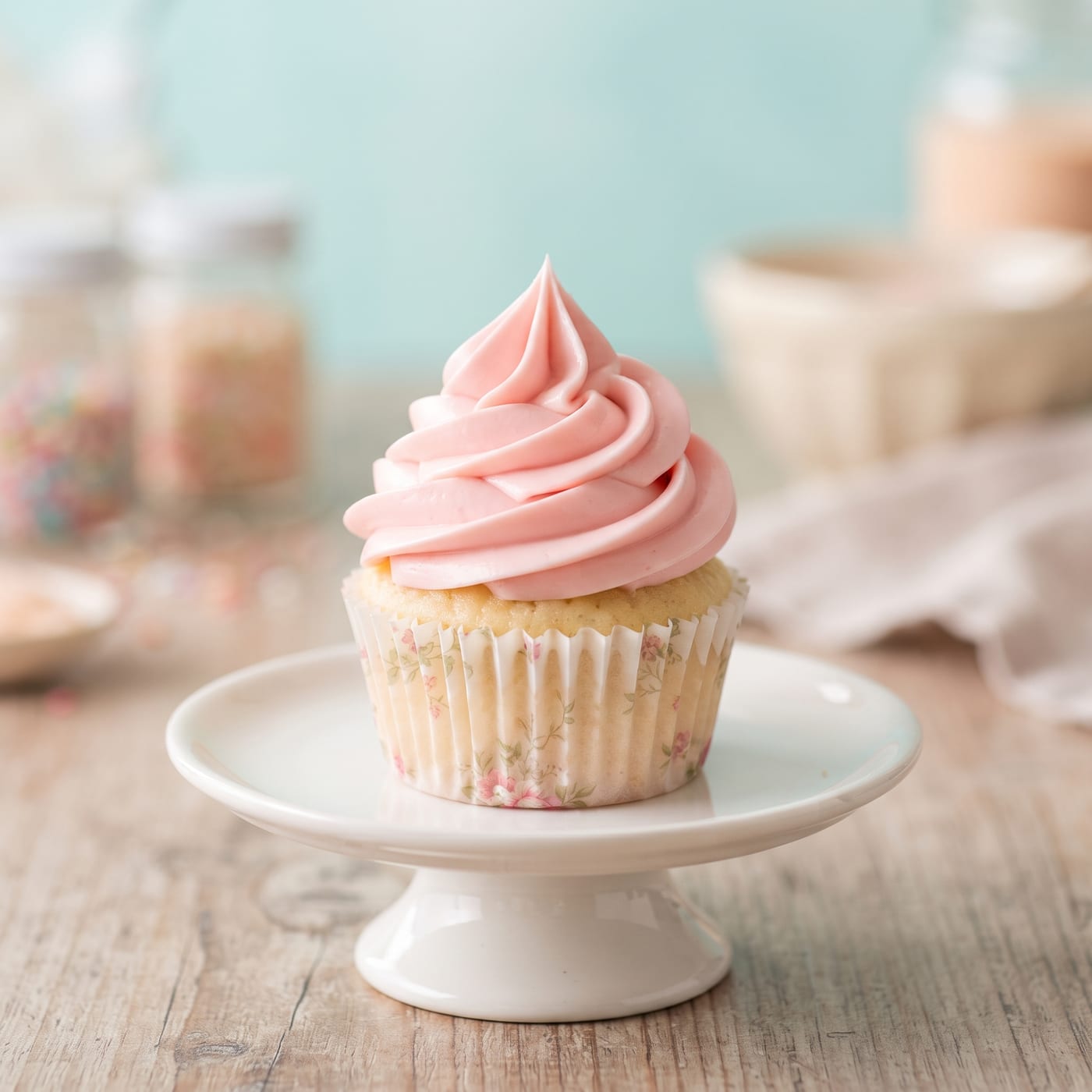
How to Make Frosting Smooth, Silky and Stable
Smooth, silky, stable frosting comes from sifted dry ingredients, room temperature butter, correct beating time, and a final low speed mix to push out air bubbles.
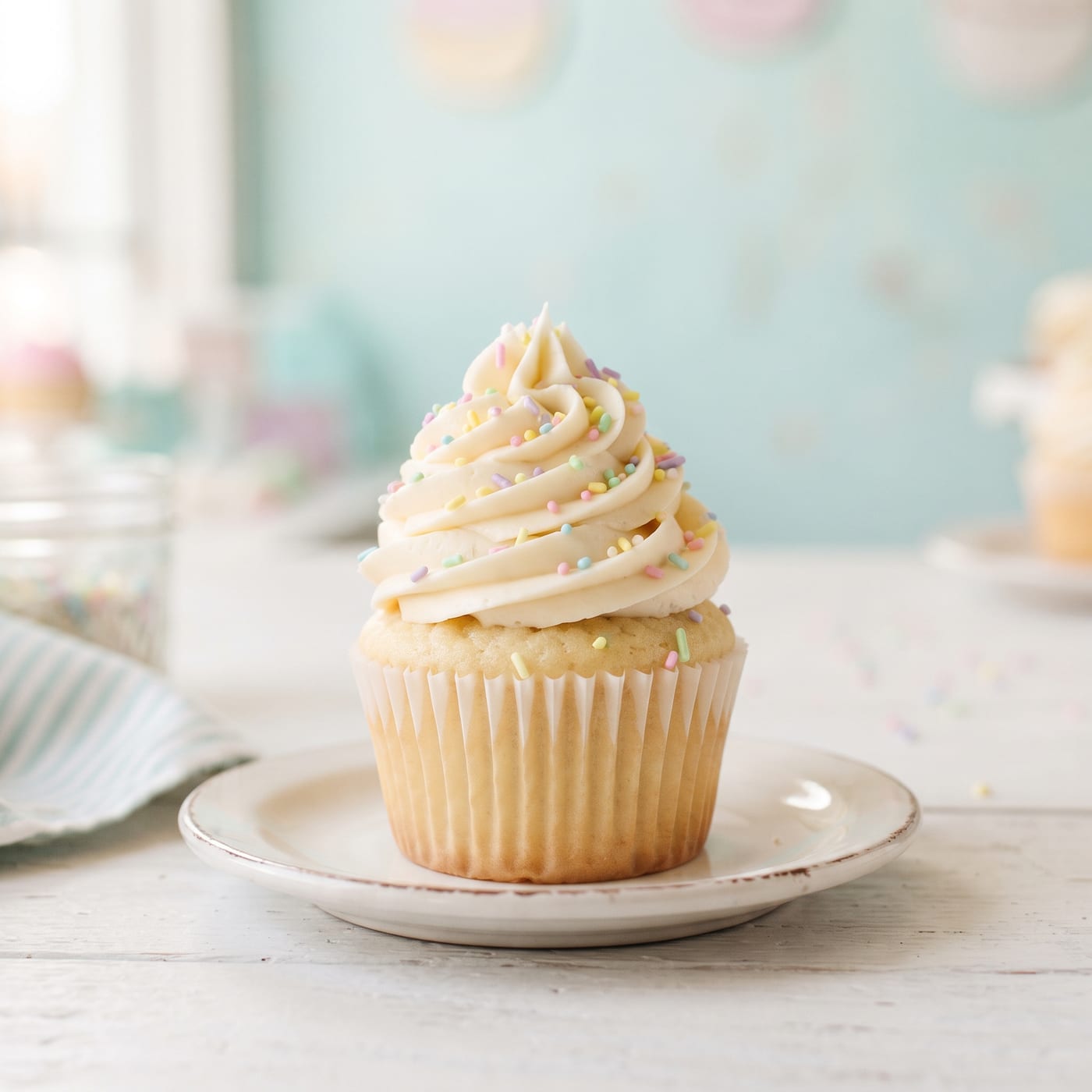
How to Pipe the Perfect Bakery-Style Swirl
A perfect bakery-style swirl comes from steady pressure, a tall open-star tip, and a slow spiral motion that starts from the outside edge and finishes in the center.
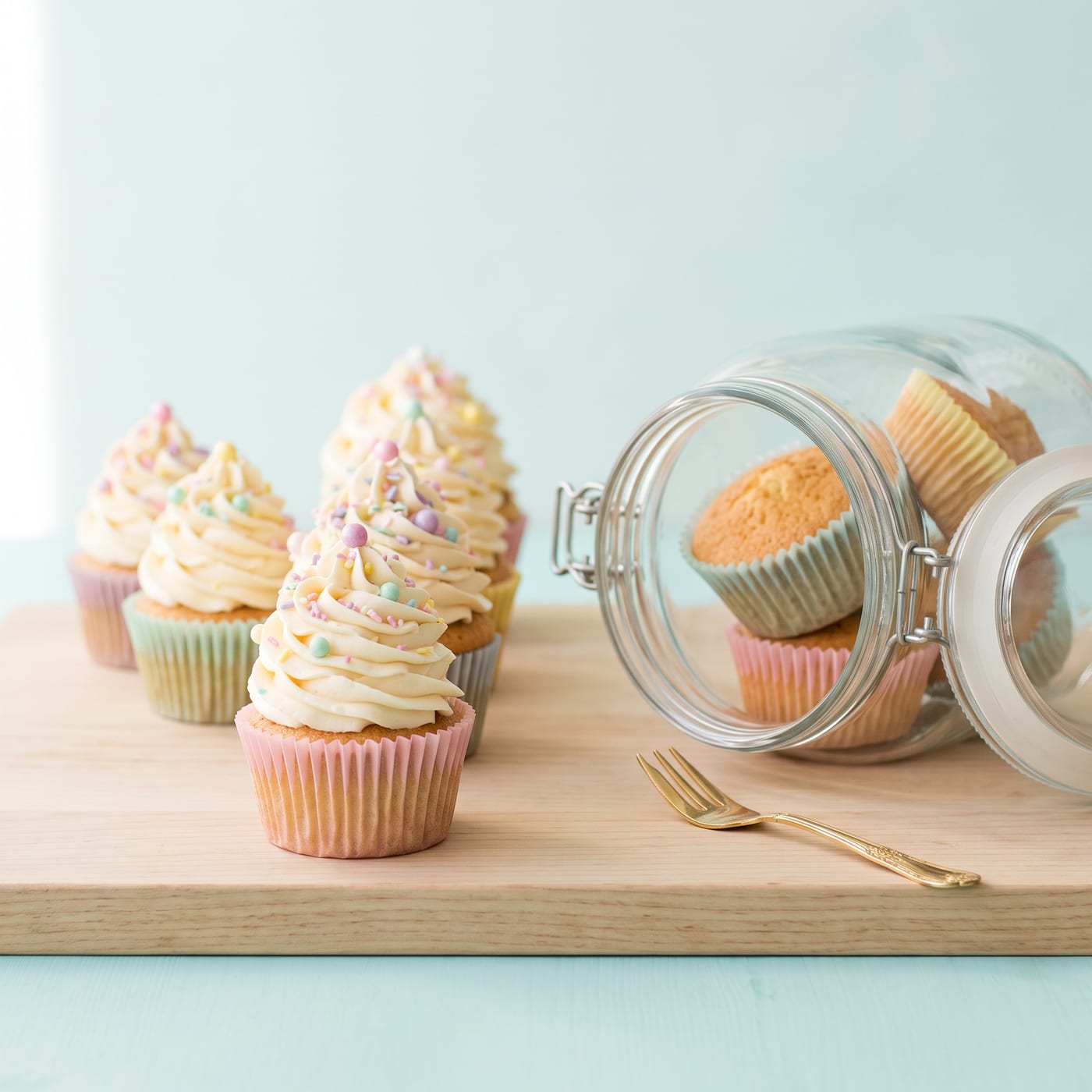
Cupcake Storage: Room Temp, Fridge, or Freezer?
Unfrosted cupcakes with buttercream or cream cheese frosting keep 2 days at room temp, up to 5 days in the fridge, and 3 months in the freezer if you seal them airtight.
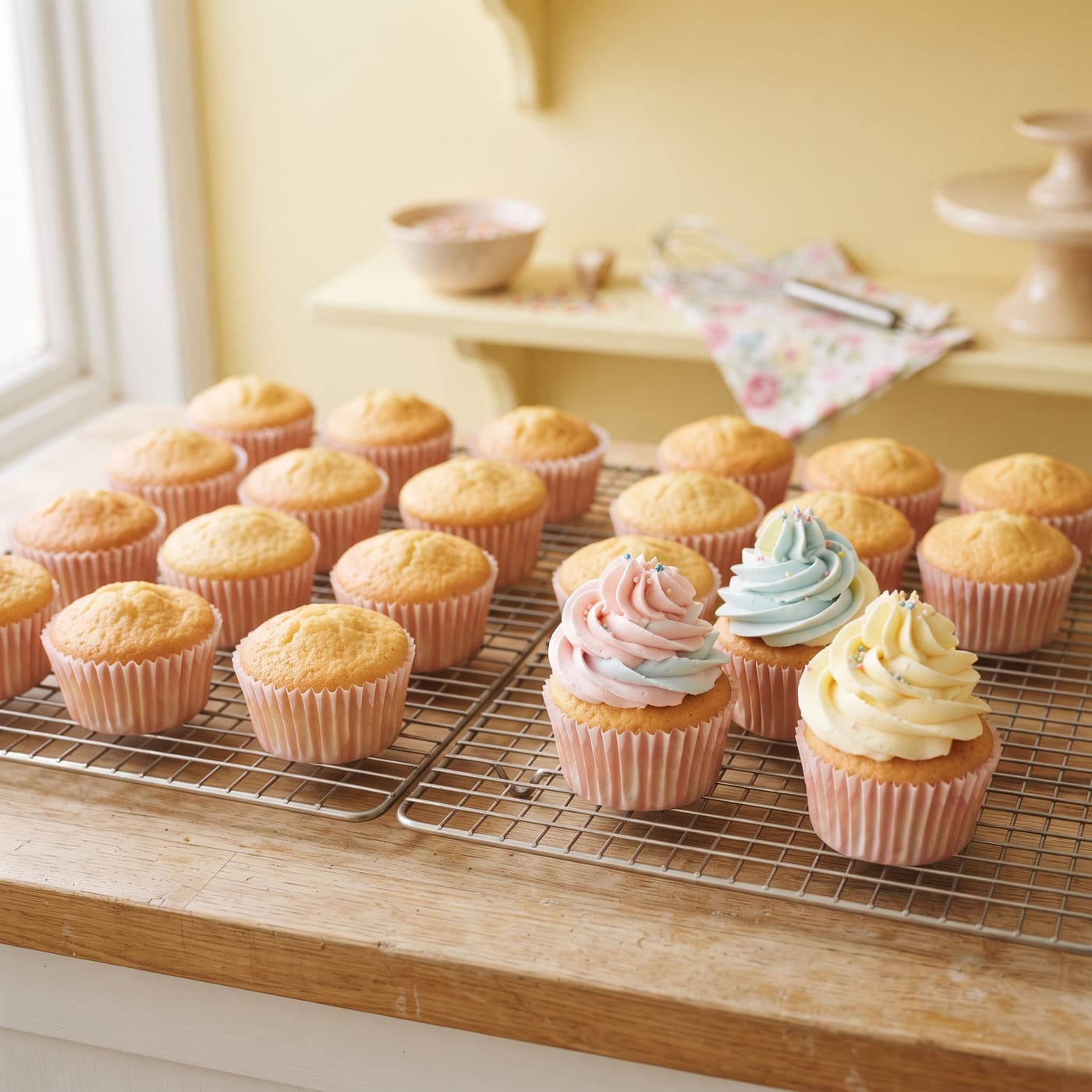
Batch Baking: How to Bake 24+ Cupcakes at Once
To bake 24 or more cupcakes at once, use two half sheet trays on separate racks, rotate them halfway through baking, and bake in batches of 12 to 24 rather than cramming every tray in at the same time.
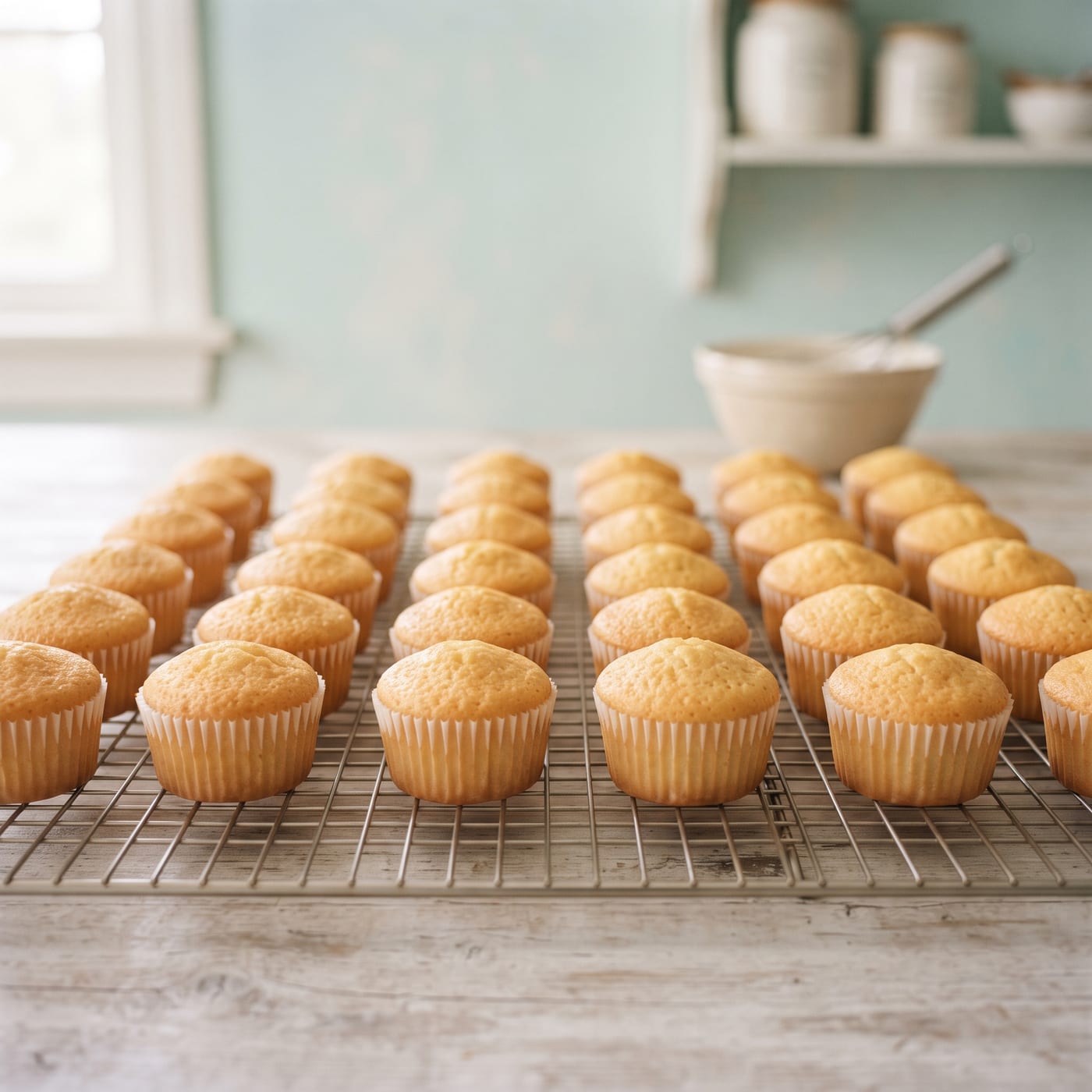
How to Cool Cupcakes Without Drying Them
Cool cupcakes in the pan for 5 minutes, then move them to a wire rack with good airflow so trapped steam escapes without the crumb drying out.
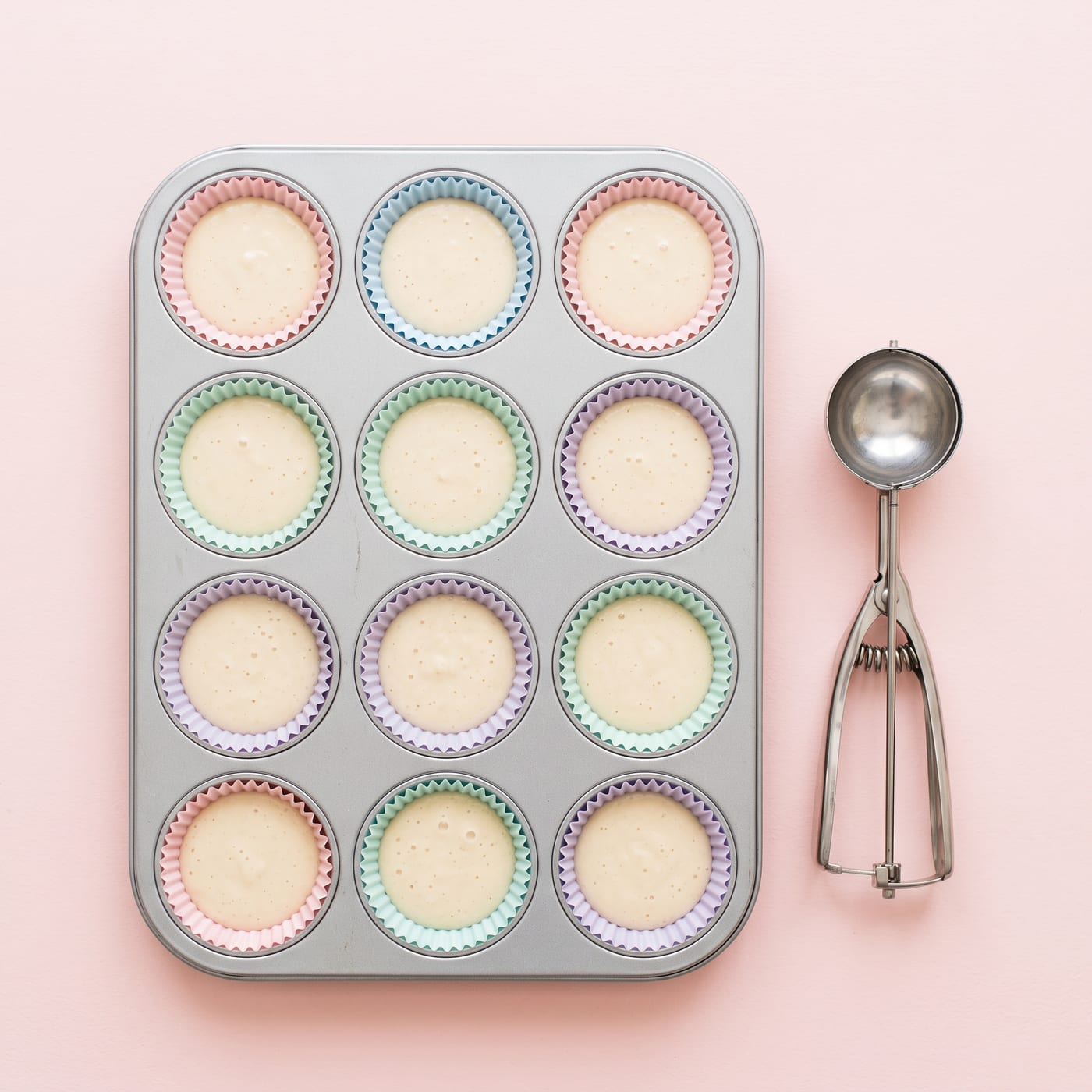
How to Fill Cupcake Liners Evenly
Fill cupcake liners evenly by using a spring loaded ice cream scoop and stopping at three quarters full. This gives every cupcake the same dome and bake time.
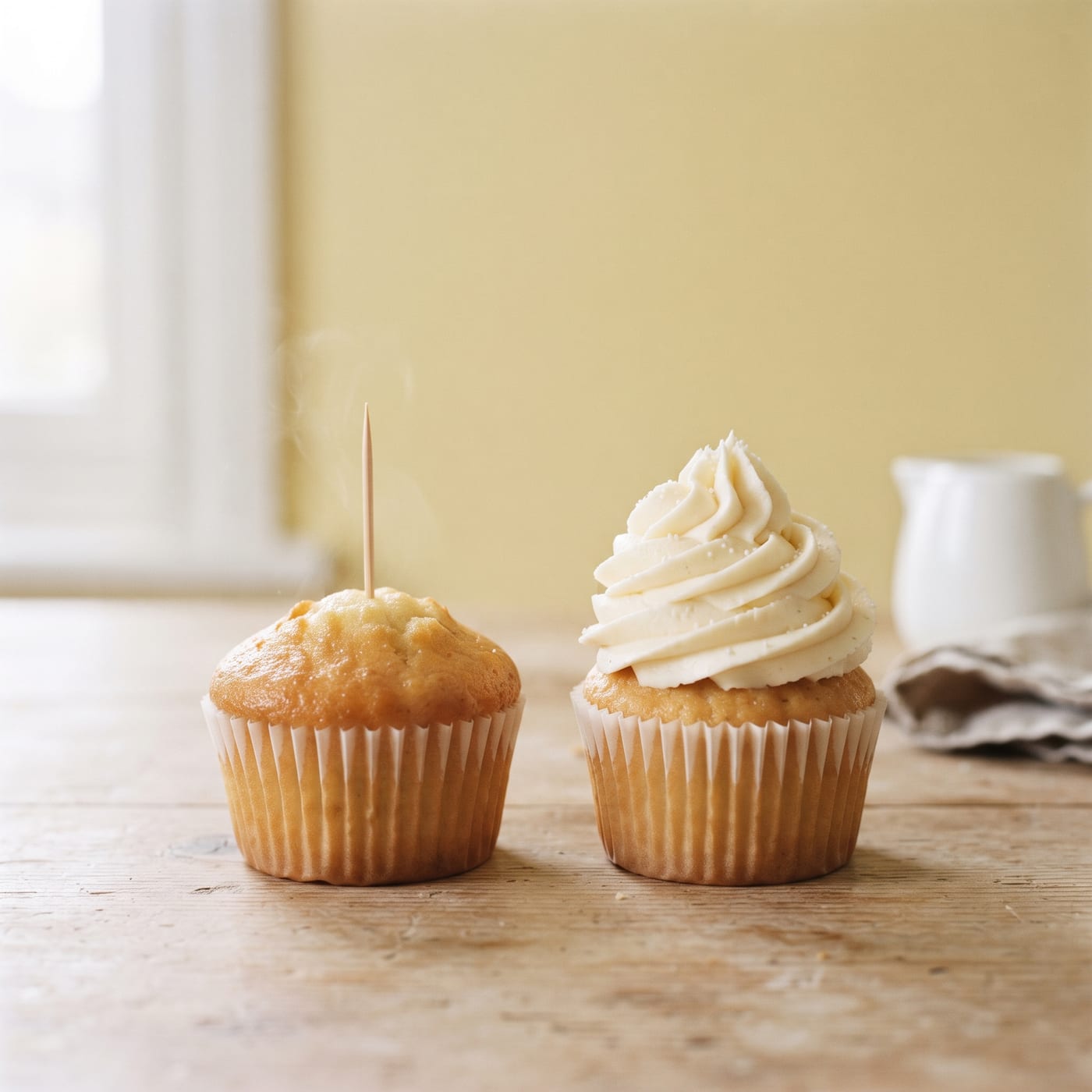
How to Test Cupcakes for Doneness
Test cupcakes for doneness with a toothpick inserted in the center: it should come out with a few moist crumbs. Not wet batter. Back this up with a light bounce test on top of the cake.
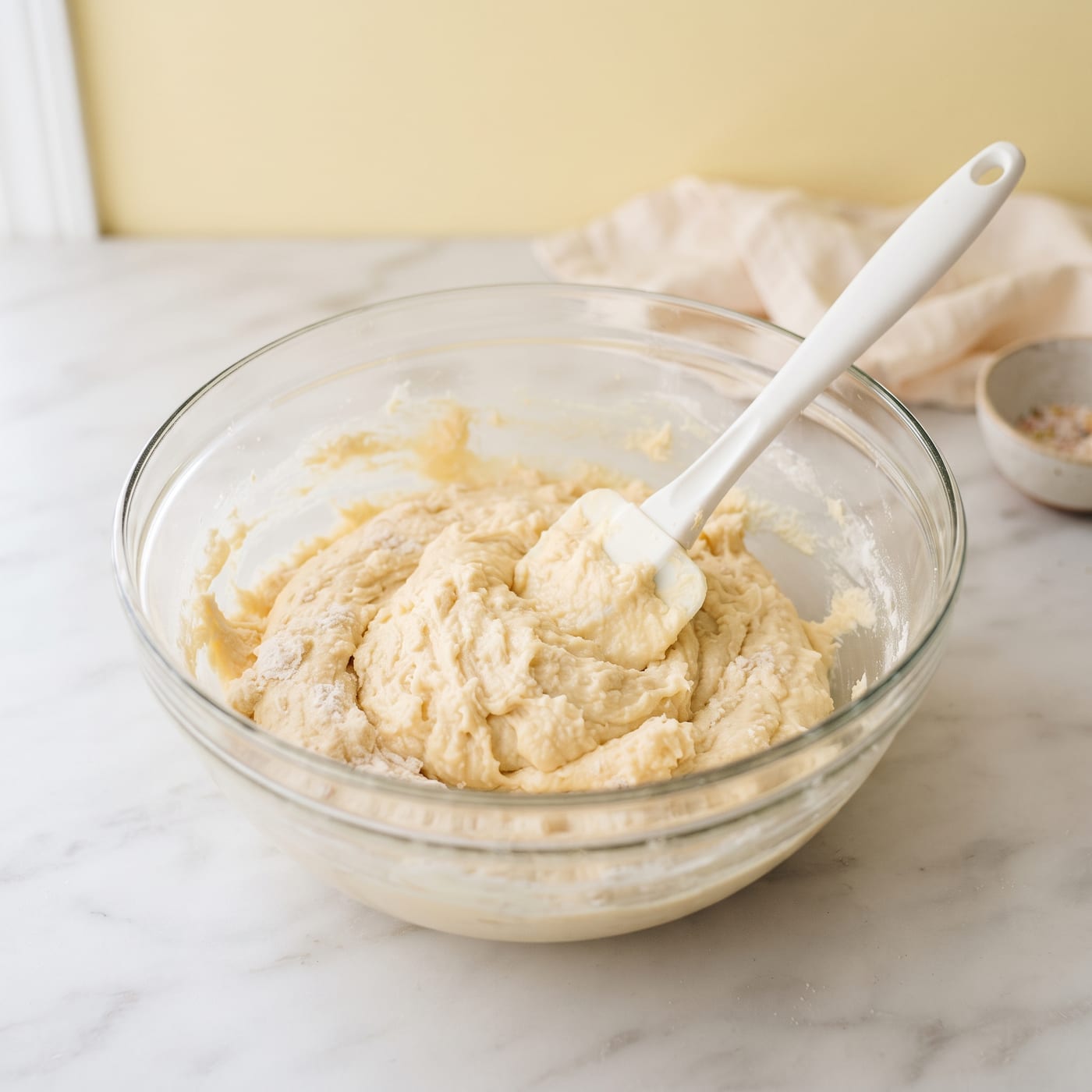
How Long Should You Beat Cupcake Batter?
Beat cupcake batter only until the flour streaks disappear, usually 15 to 30 seconds on low speed after adding dry ingredients. Overbeating builds gluten and gives you tough, tunneled cupcakes instead of a soft crumb.
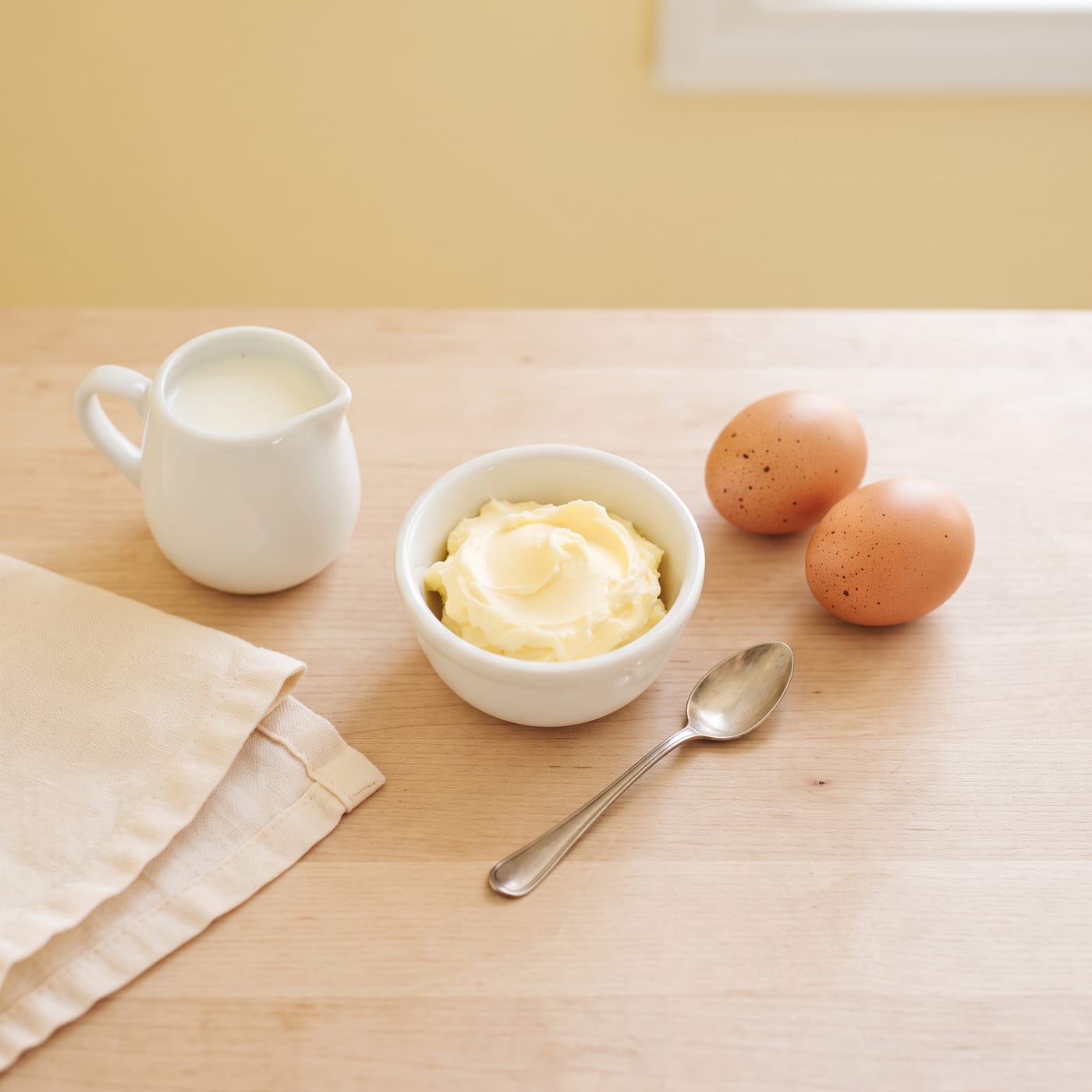
Why Room Temperature Ingredients Matter
Room temperature ingredients blend into one smooth batter instead of separating, which gives cupcakes a fine, even crumb. Cold butter or eggs cause lumps and trapped air pockets that bake into dense or rubbery spots.
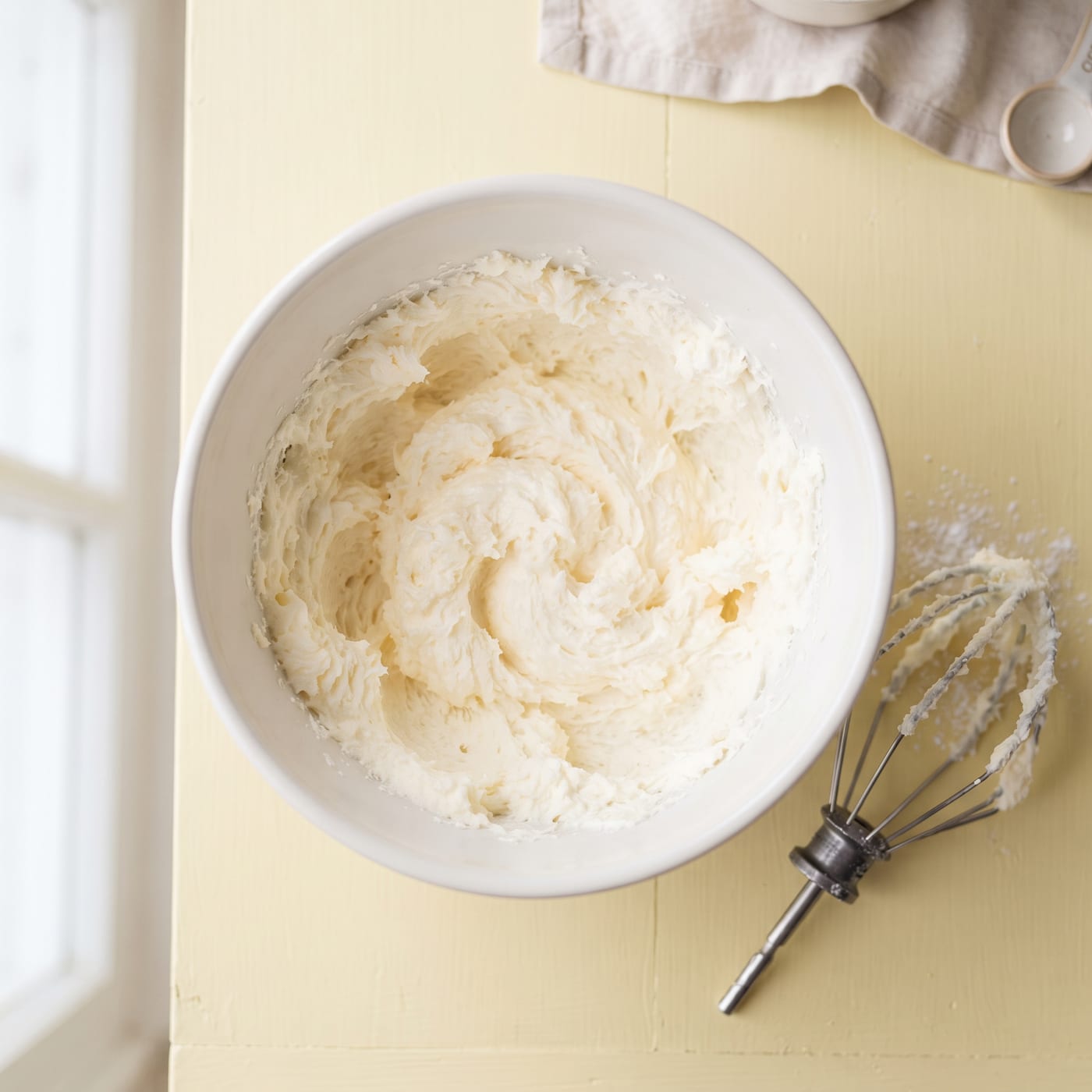
How to Cream Butter and Sugar Properly
Creaming butter and sugar properly means beating them together for 3 to 5 minutes until the mix turns pale. Fluffy, and almost doubles in size. That air you beat in is what gives cupcakes their soft, light crumb.
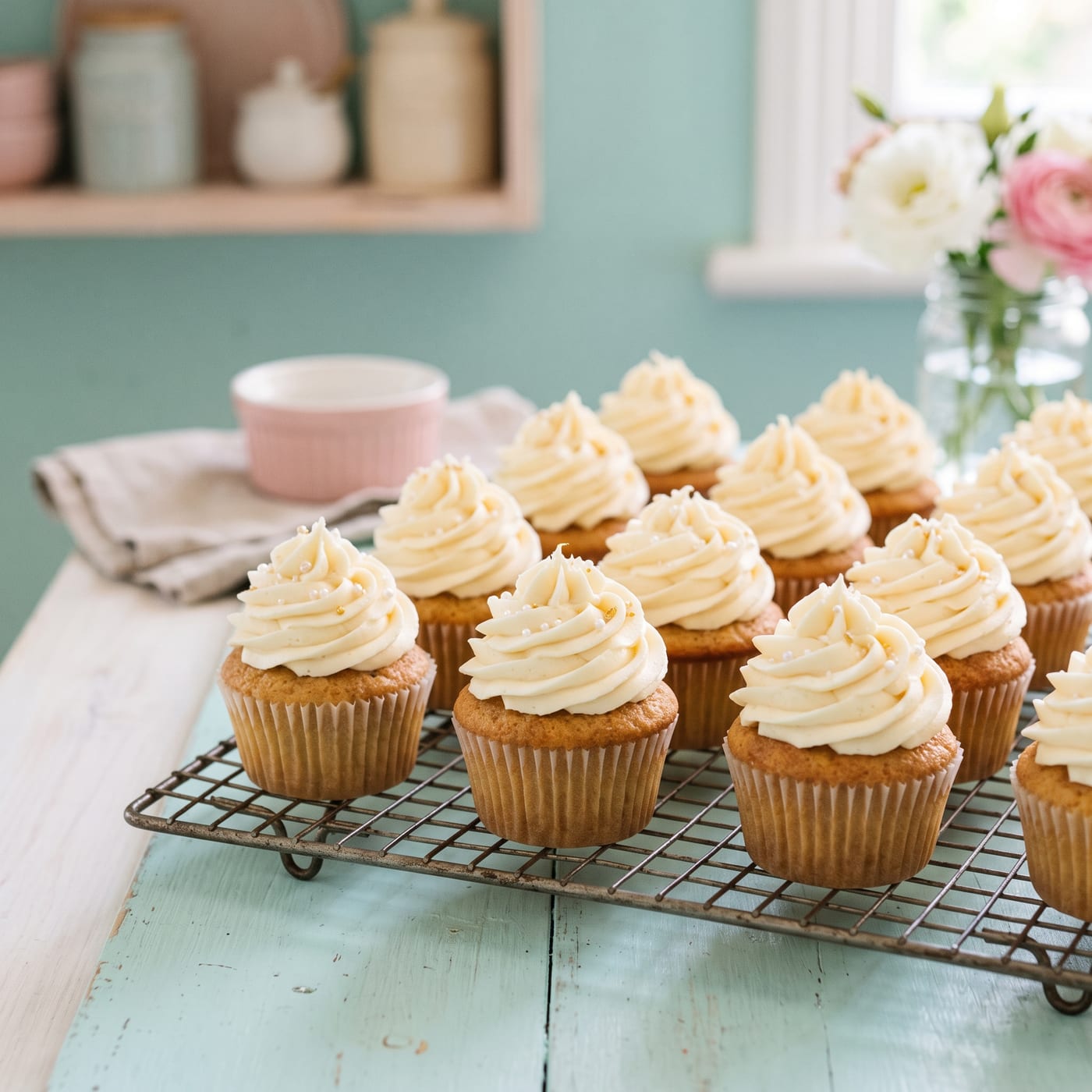
What Oven Temperature Makes the Best Cupcakes?
350F is the best all around oven temperature for cupcakes. It bakes the batter through in 18 to 22 minutes while still building a light, domed top without drying out the edges.
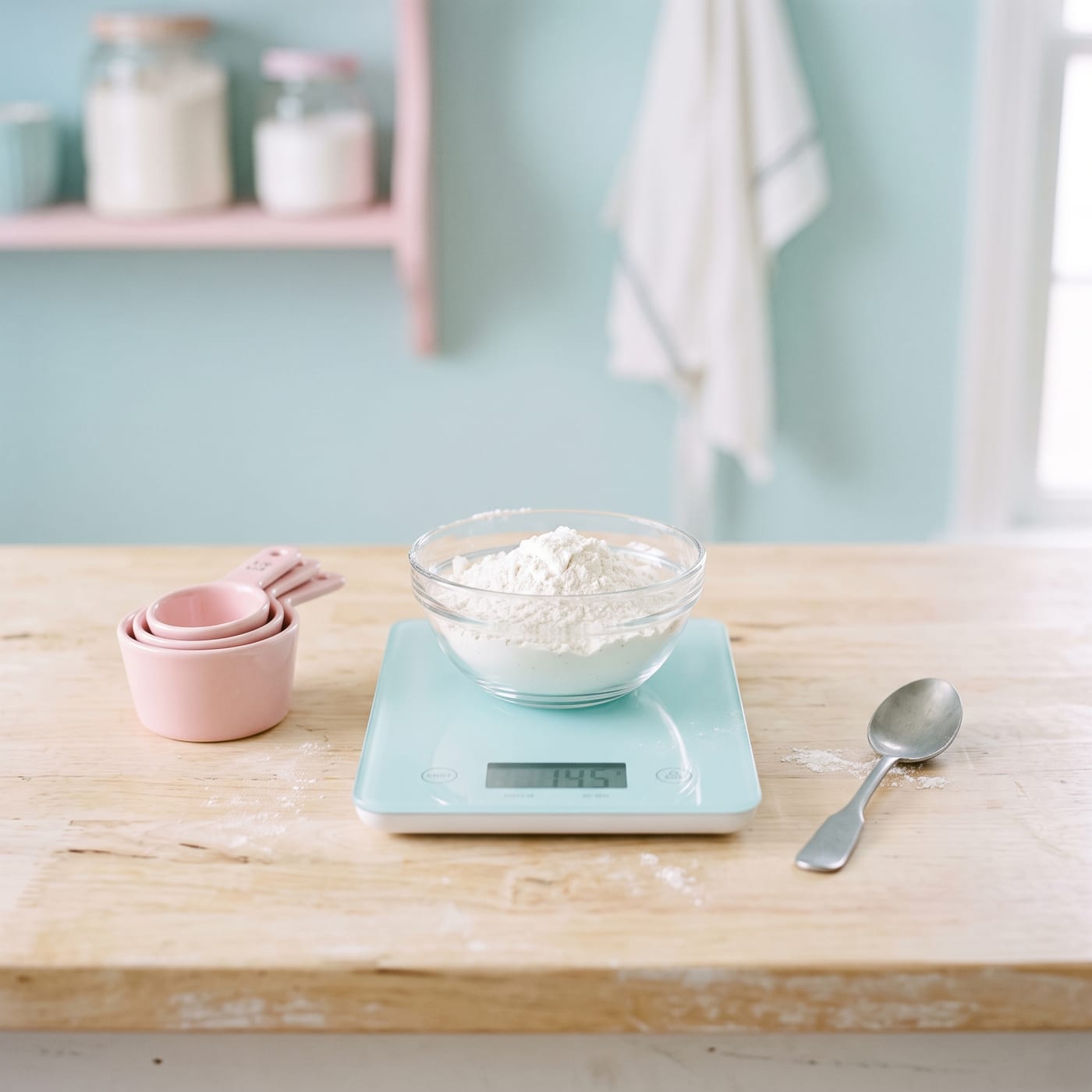
How to Measure Ingredients for Perfect Cupcakes
Perfect cupcakes start with accurate measuring: spoon flour into the cup and level it. Use a kitchen scale for the best results, and never scoop straight from the bag.
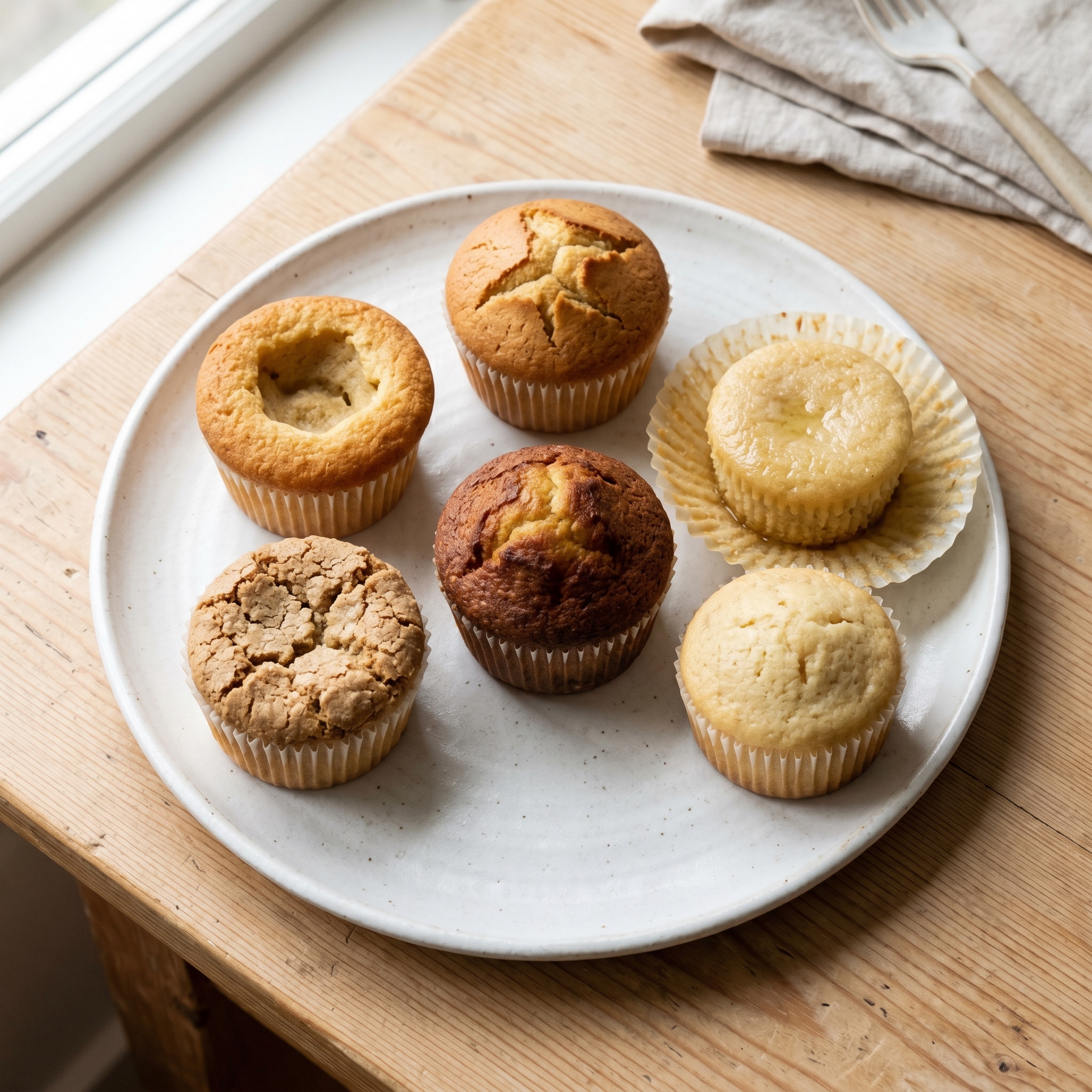
Fixing Common Cupcake Fails: A Diagnostic Guide
Sinking middles, domed tops, dry crumbs, and greasy liners all have specific causes you can fix. This diagnostic guide walks through each cupcake problem and tells you exactly what went wrong and how to correct it next time.
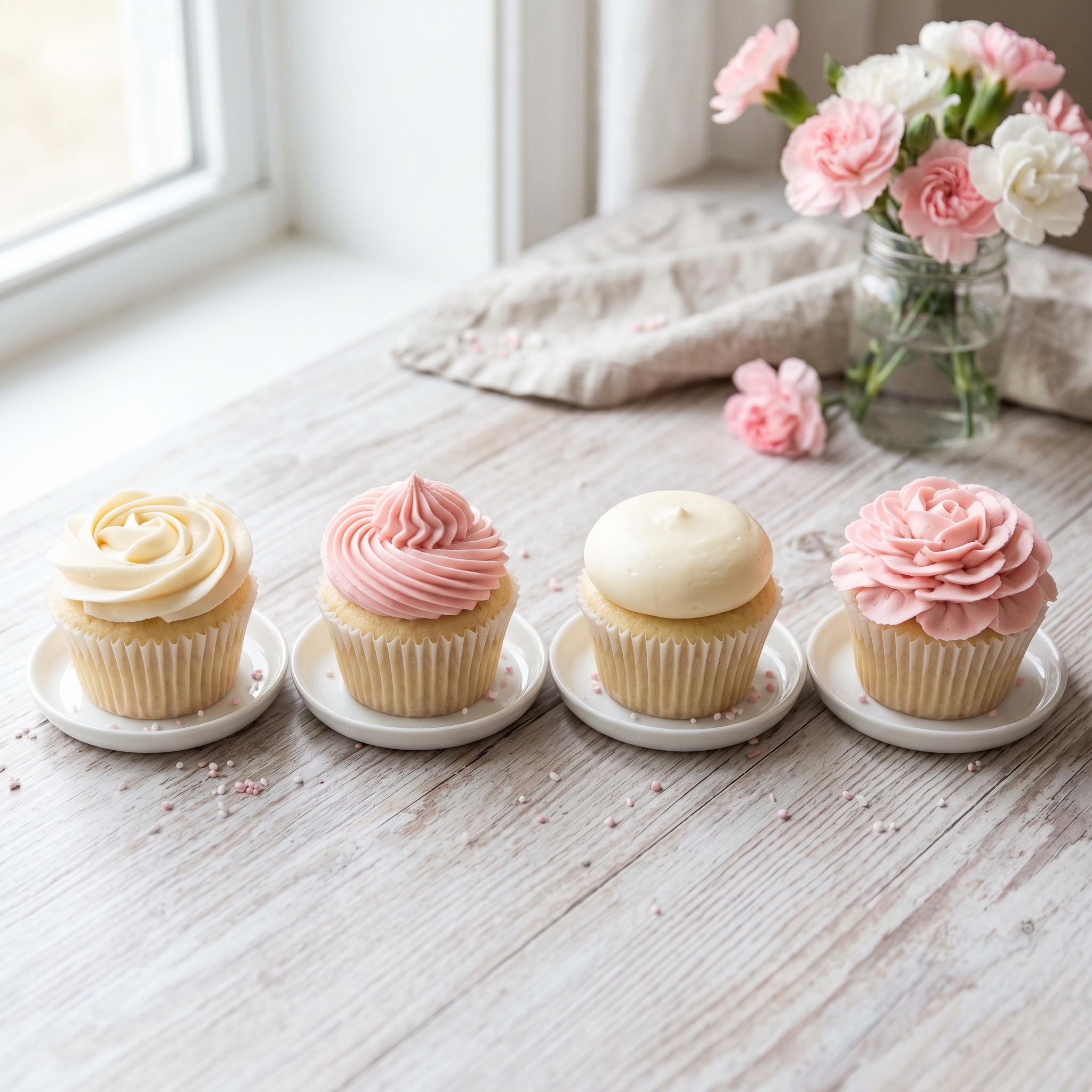
Piping Tips Decoded: Which Nozzle Makes Which Swirl
Each piping tip shape creates a distinct swirl or pattern on cupcakes. This guide maps open star, closed star, round, and petal tips to the right frosting types so you get clean. Consistent results every time.
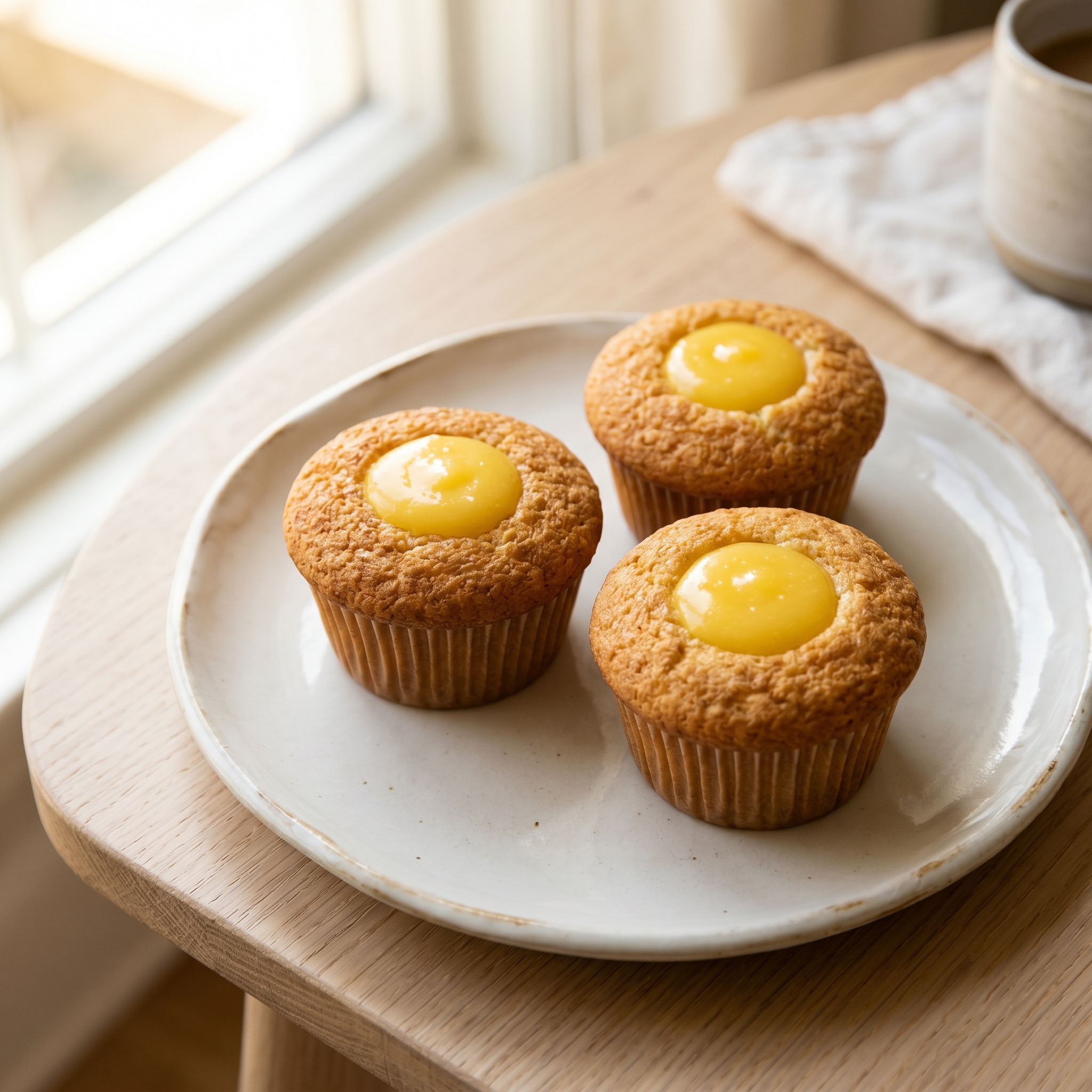
How to Fill Cupcakes with Cores and Curds Without Sogginess
To fill cupcakes without sogginess, core them after they are fully cooled. Seal the crumb with a thin layer of buttercream before adding wet fillings, and pipe or spoon the filling just before frosting. Timing and moisture barriers are the two things that make the biggest difference.
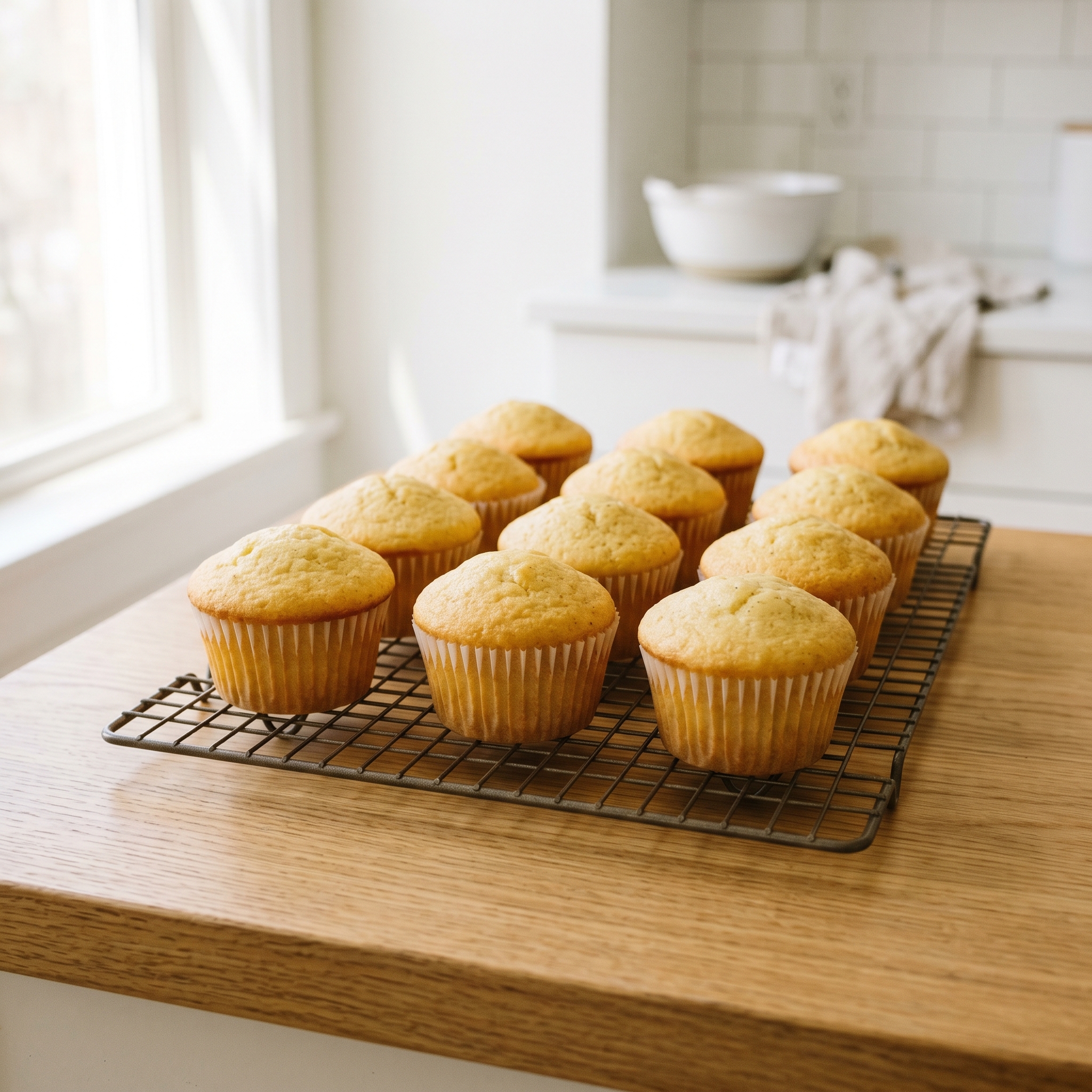
High-Altitude Cupcake Baking Adjustments
At elevations above 3,500 feet, cupcakes need less leavening, more flour, and a hotter oven. These simple adjustments stop your cupcakes from sinking, doming, or drying out.
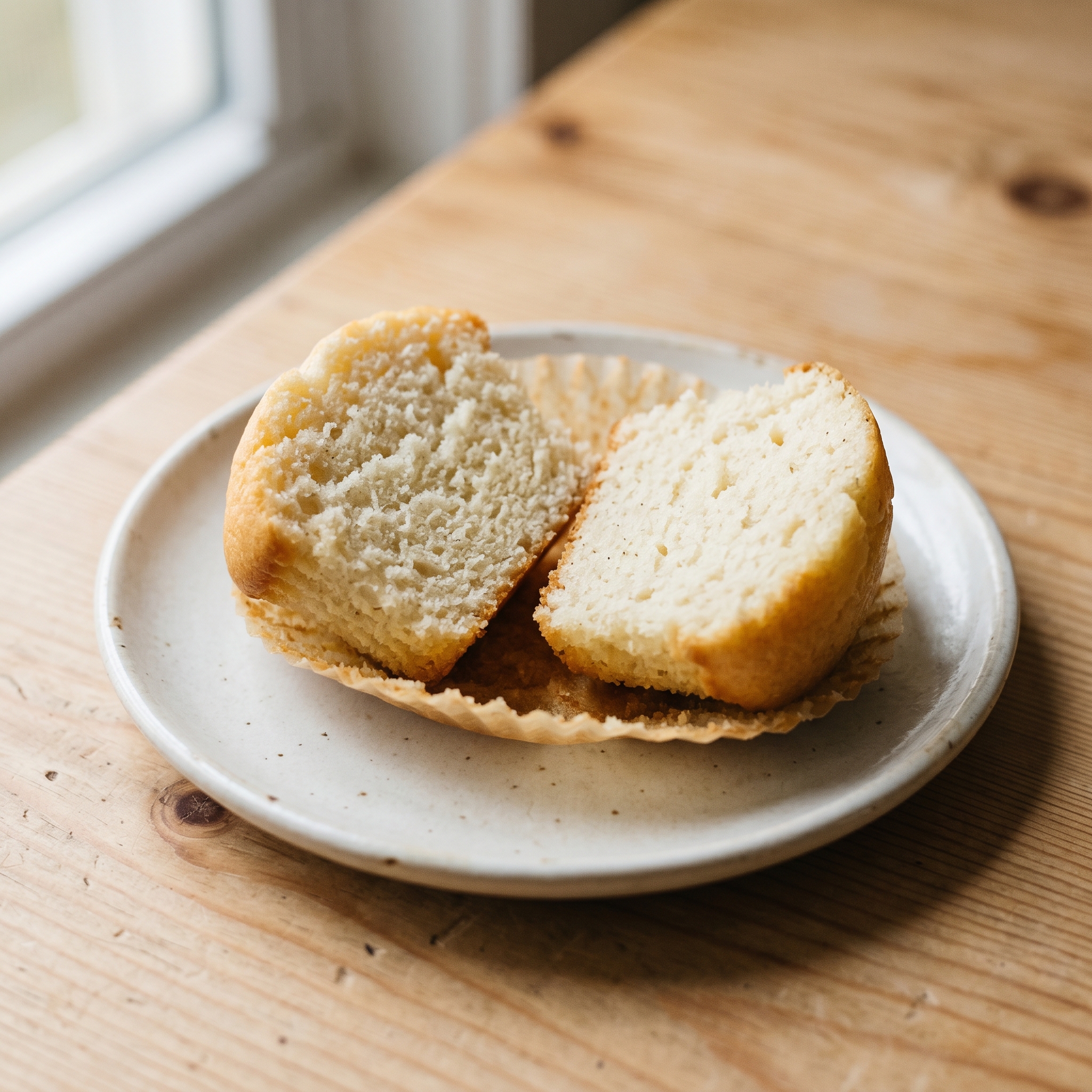
The Science of a Moist Cupcake Crumb
Dry cupcakes almost always come down to the wrong ratio of fat, sugar, or liquid in your batter. Fix those three things and you will get a soft, tender crumb every single time.
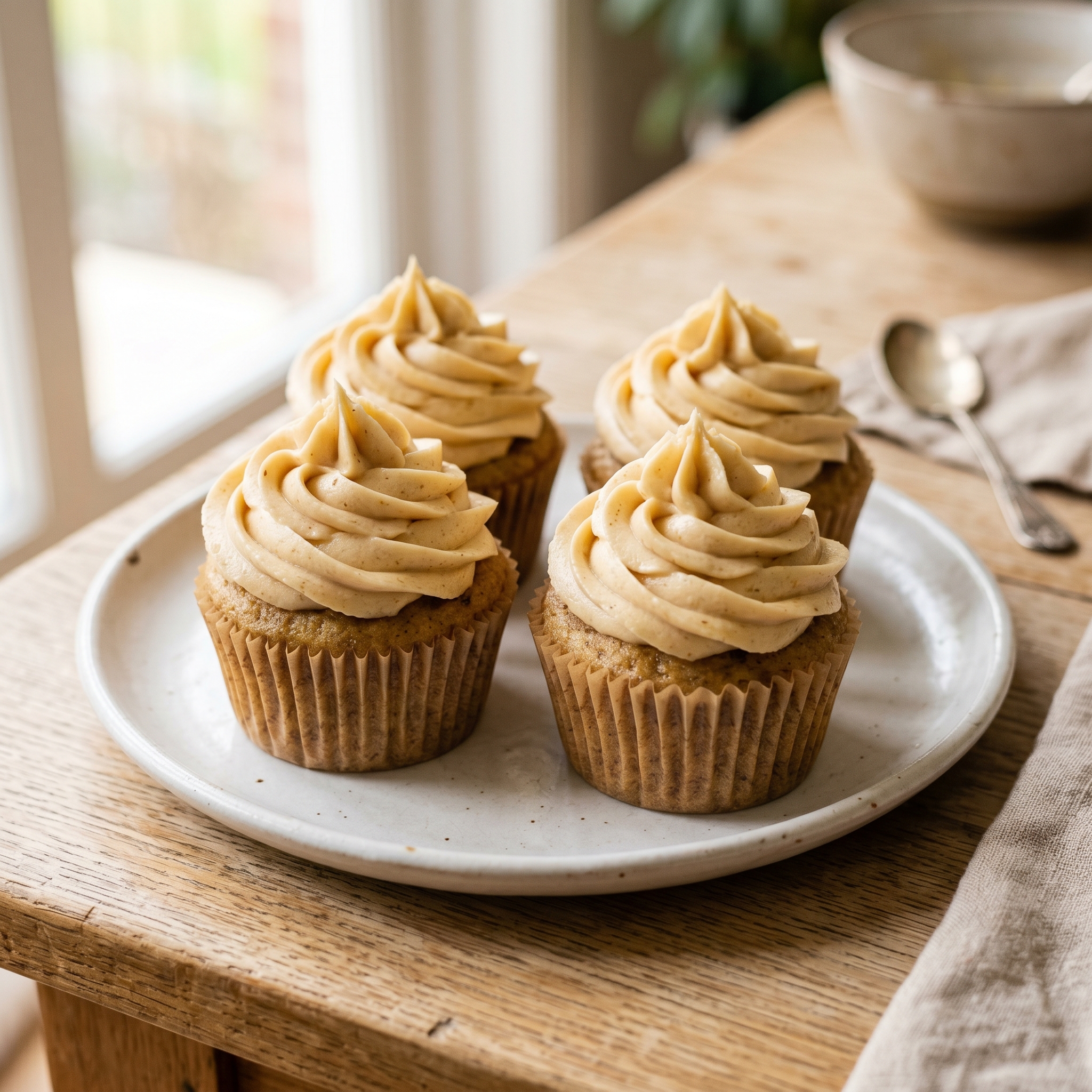
Brown Butter in Baking: Complete Guide and Ratios
Brown butter is regular butter cooked until milk solids caramelize. Use it 1:1 by weight in cupcake batters and reduce other liquids by 1 tablespoon per ½ cup to account for lost water.
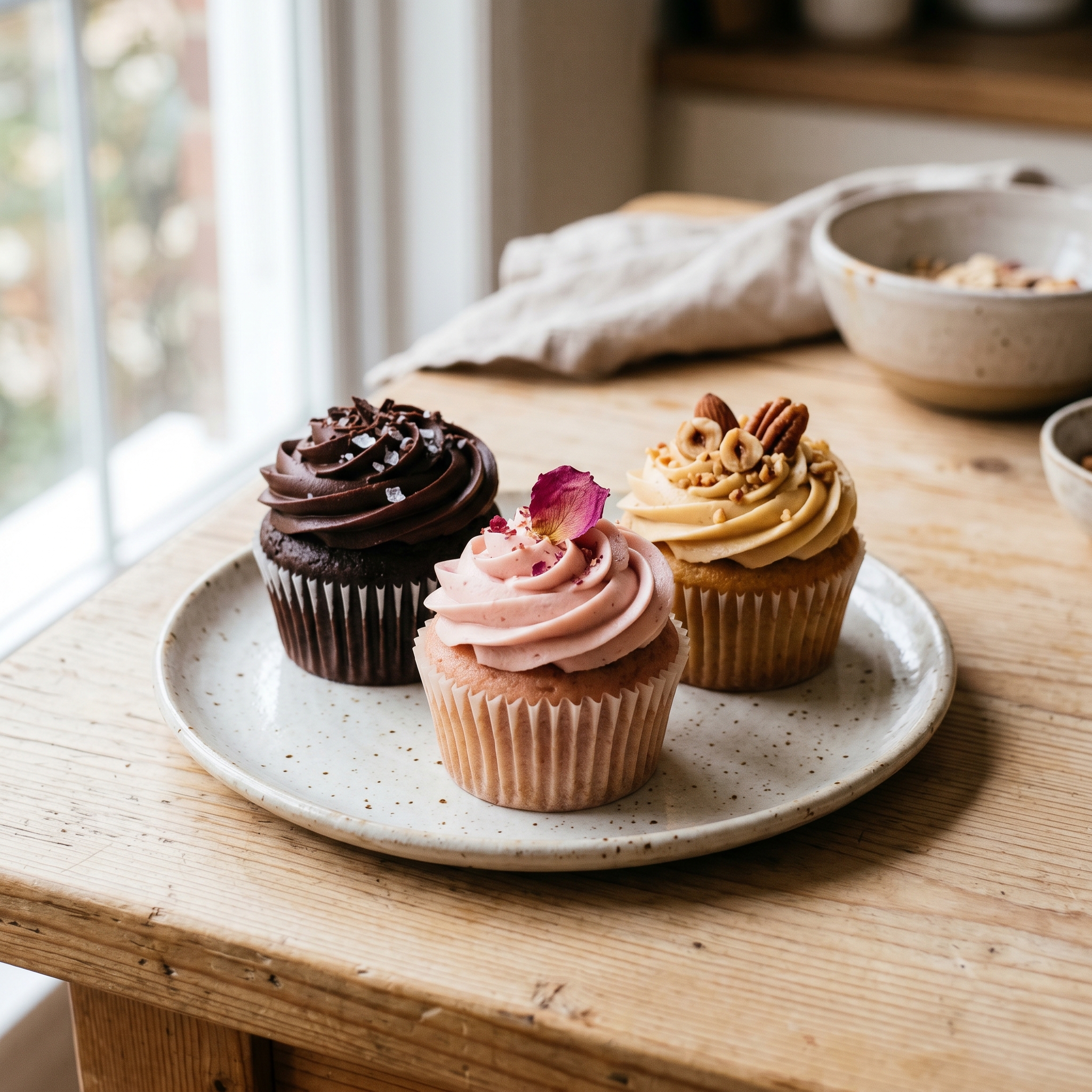
How to Develop Your Own Signature Cupcake Flavor
Start with one main flavor, add one supporting note and one background note, then test in small batches. That simple plan helps you build a cupcake flavor people remember.
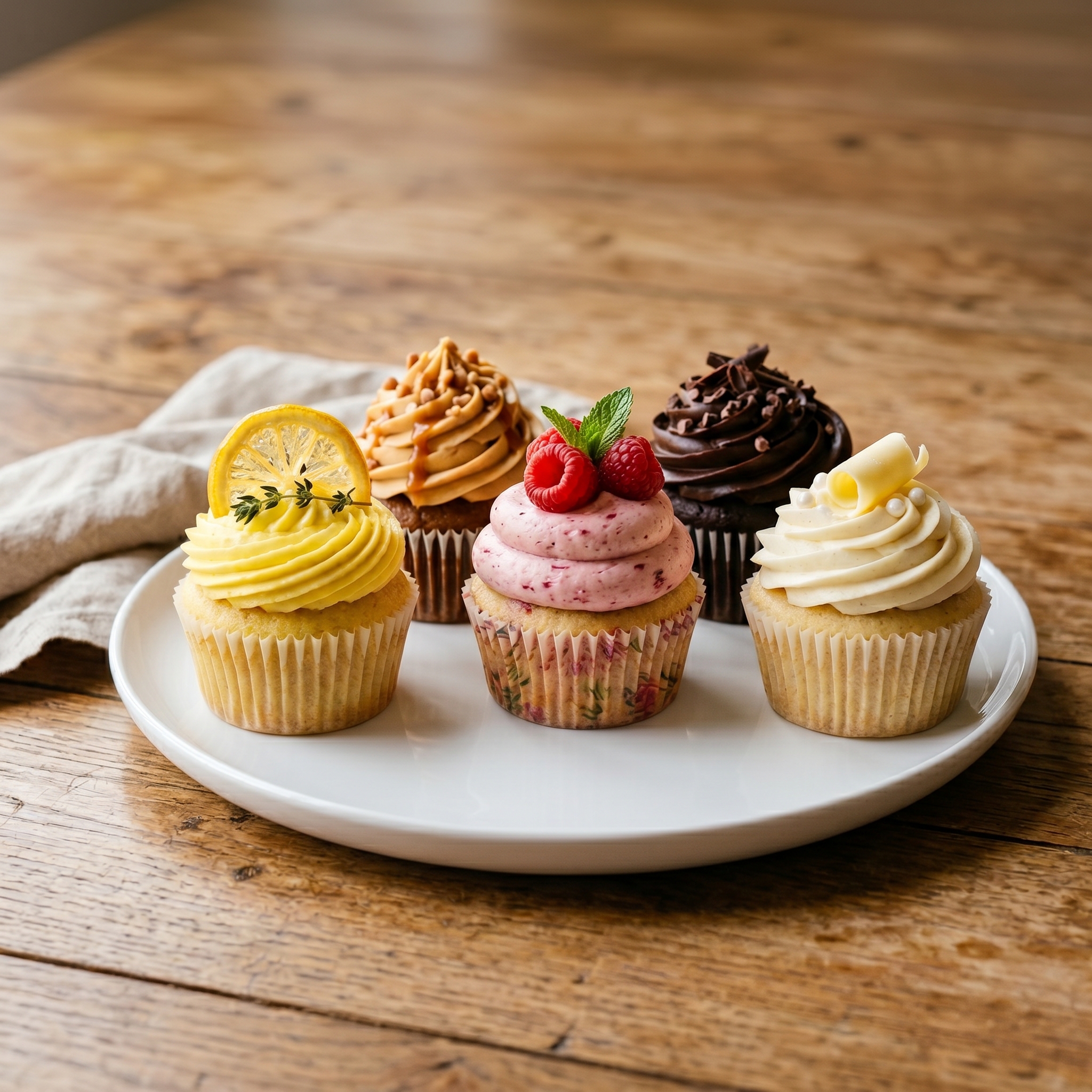
A Flavor Pairing Guide for Inventing Cupcake Combos
Great pairings balance sweet, savory, acid, and fat across cake, filling, and frosting. Use this simple chart to invent combos that work instead of guessing.
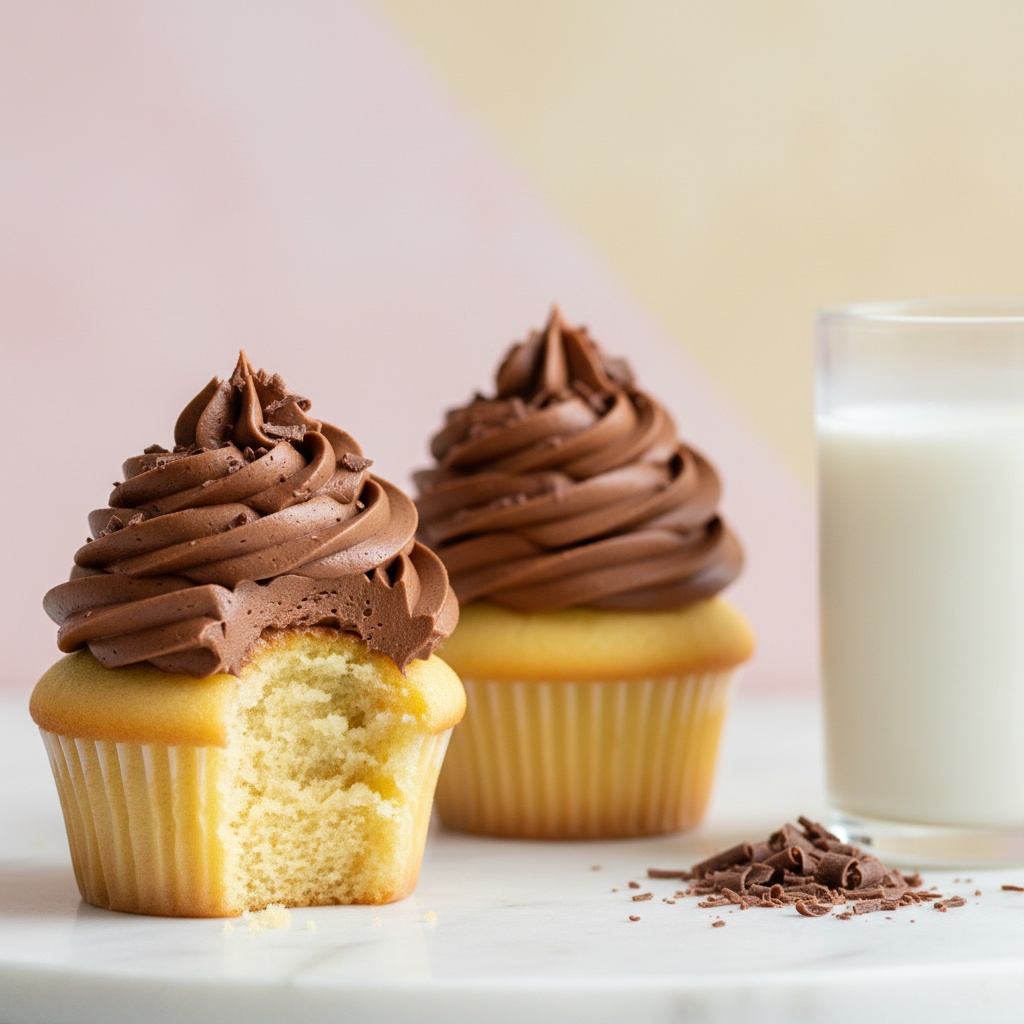
Cupcake vs Muffin - What's the Real Difference?
Mixing method, ingredients and texture: the real distinctions.
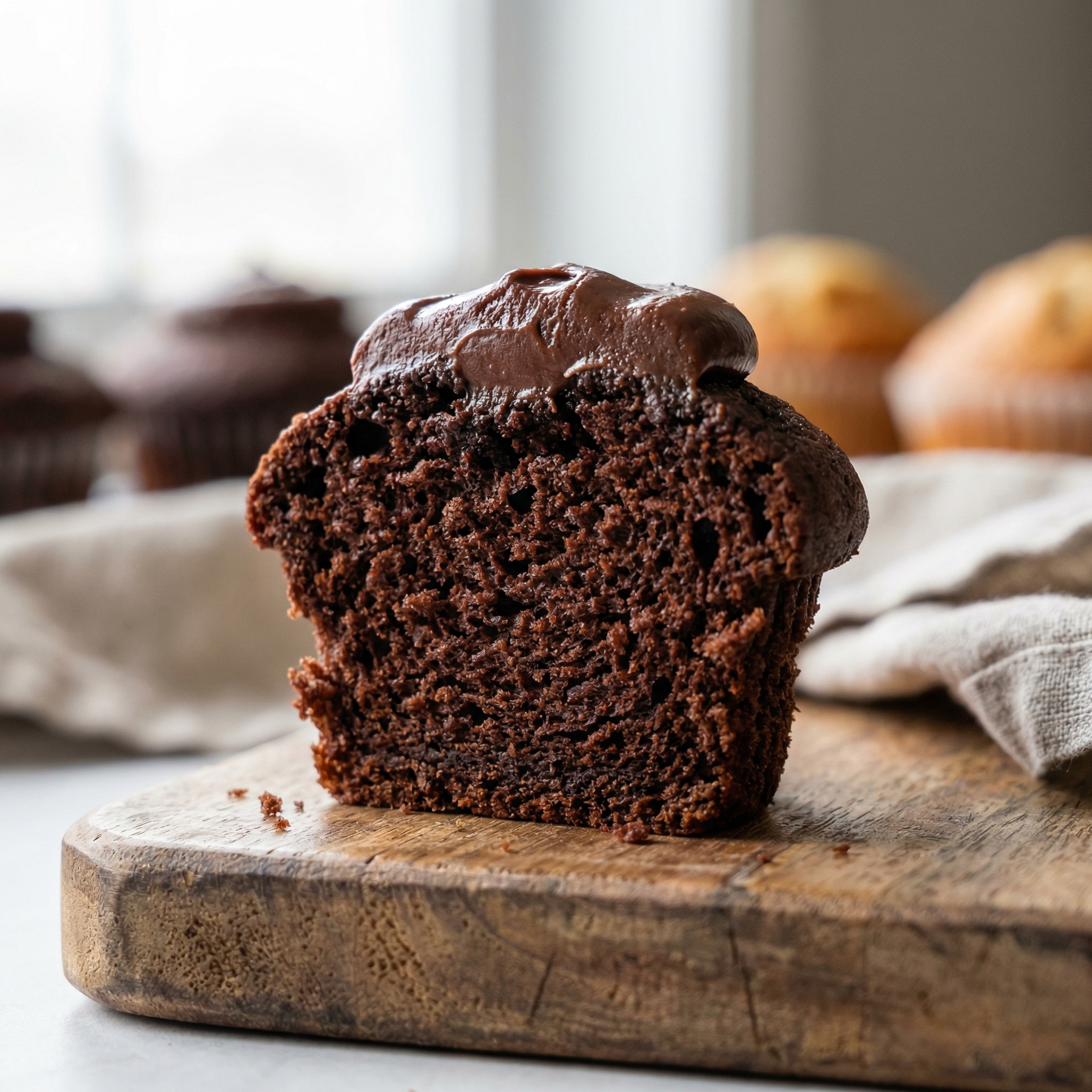
How to Make Cupcakes Moist Every Time
Ingredients, techniques and habits for consistently tender, moist cupcakes.
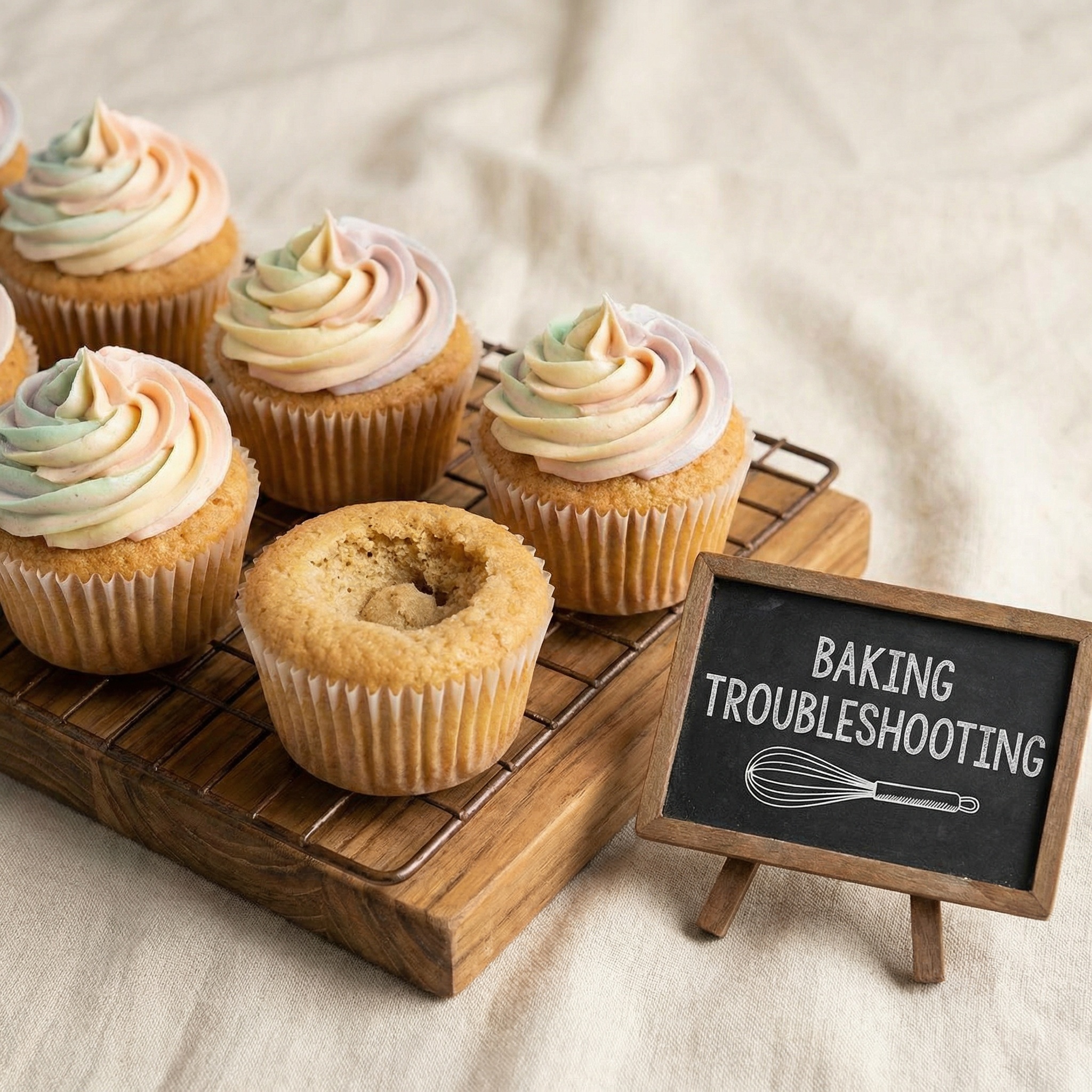
Why Do Cupcakes Sink After Baking?
Causes, fixes and prevention for sunken cupcake centers.
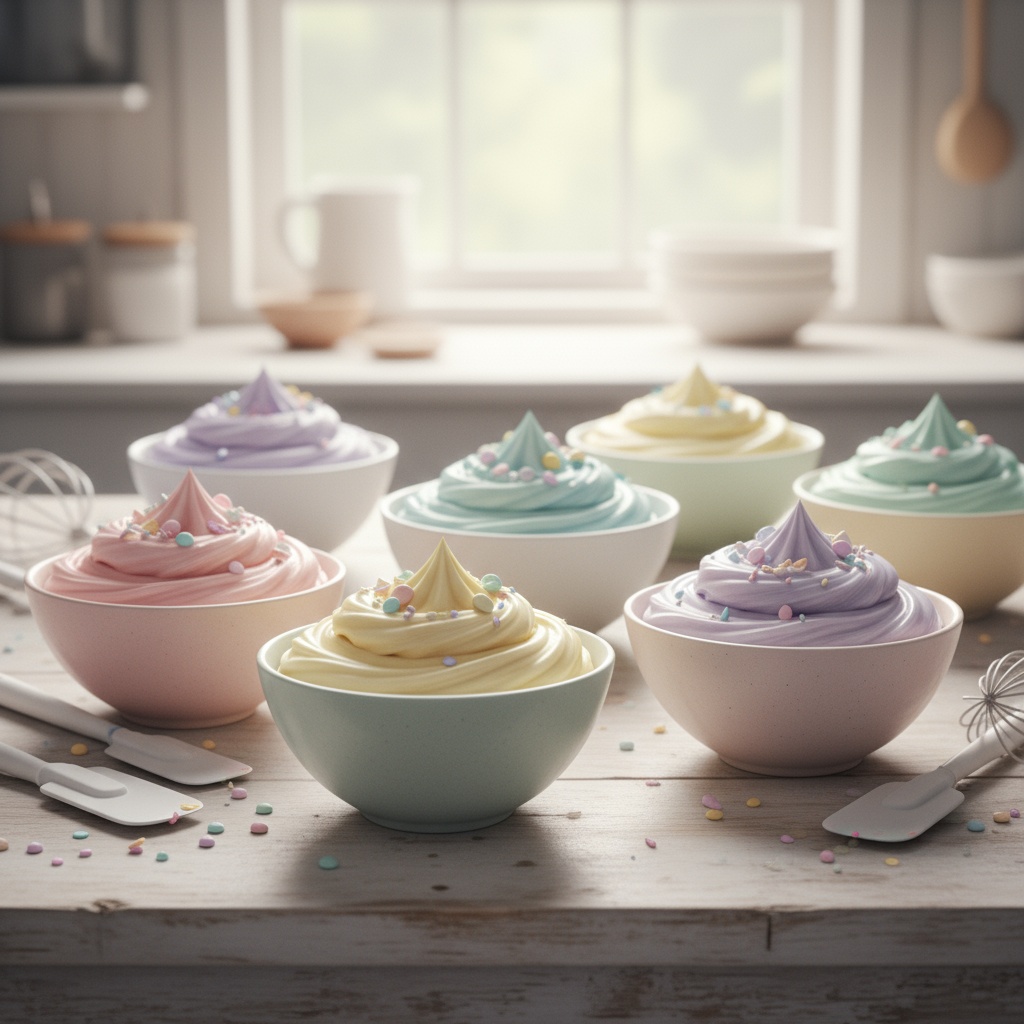
Natural Food Coloring for Frosting (No Dyes)
Beet, spirulina, matcha and turmeric for modern pastel palettes.
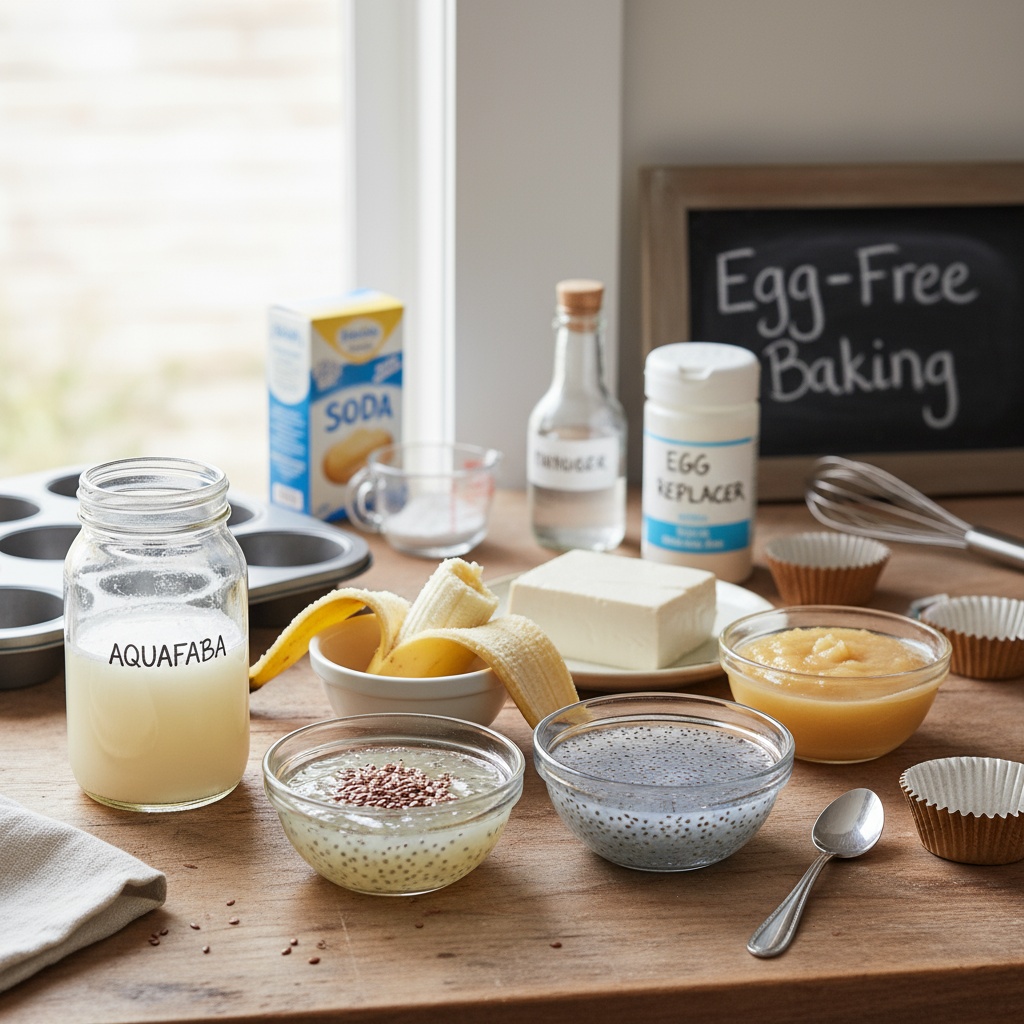
Egg substitutes for cupcakes
Reliable replacements and when to use them.
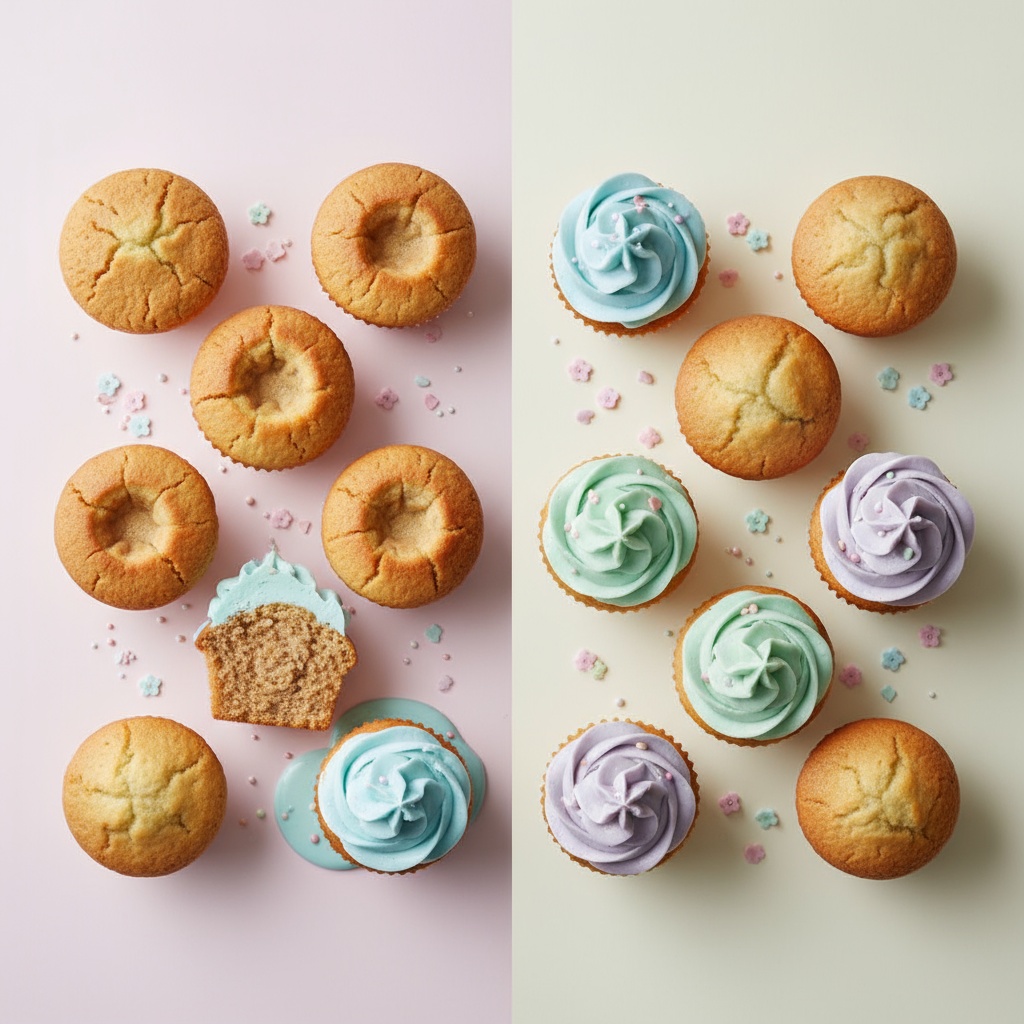
10 cupcake mistakes and how to fix them
Troubleshooting guide: domes, sinking centers, dryness, tunnels and more.