
Natural Food Coloring for Frosting (No Dyes)
By Sarah, professional baker at Incr-EdibleCupCakes. Updated 2025-11-03.
Natural frosting colors work best when you start with a pale base, add pigments in tiny doses, and let color bloom before adjusting. This gives clean flavor and stable piping without synthetic dyes.
If you want soft, elegant color without synthetic dyes, natural pigments can deliver beautiful, modern tones, especially pastels, while keeping flavor clean and labels simple. This guide shows how to use beet, spirulina, matcha and turmeric to create reliable, pipeable frosting colors that hold up on cupcakes and layer cakes.
The keys are: start with a pale, stable base; add tiny amounts; pre-hydrate powders to avoid speckles; rest to let color bloom; and adjust flavor balance at the end. With these habits, your natural colors will look intentional, not compromised.
1) Choose the right buttercream base
For smooth, even color, use a pale base and whip until the butter lightens. Two reliable options:
- Swiss Meringue Buttercream (SMBC): silky, stable, mildly sweet. Takes color evenly and resists graininess. Great for piping.
- American Buttercream (ABC): quick, sweet, easily adjusted with confectioners’ sugar and milk/cream. Also colors well when properly beaten.
Avoid yellow-toned butter by whipping longer; pale butter helps pastel clarity. A drop of violet gel is common for neutralizing yellow, but since we avoid dyes here, rely on extended beating and room-temperature butter.
2) Natural color sources and what to expect
Natural colors excel at soft tones. Here are the hero ingredients for this guide:
- Beet (powder or concentrated puree): pink to rose. Minimal flavor in small amounts; earthy notes appear if overused. Mix with a few drops of cream to avoid speckles.
- Spirulina: mint to pistachio green. Use a pinch; too much introduces sea notes. Pair with vanilla and a microscopic pinch of salt.
- Matcha (culinary grade): soft green to jade. Adds pleasant tea notes. Sift first; hydrate with a few drops of cream.
- Turmeric: warm cream to pastel yellow. A tiny pinch goes far. Offset warmth with lemon zest or vanilla.
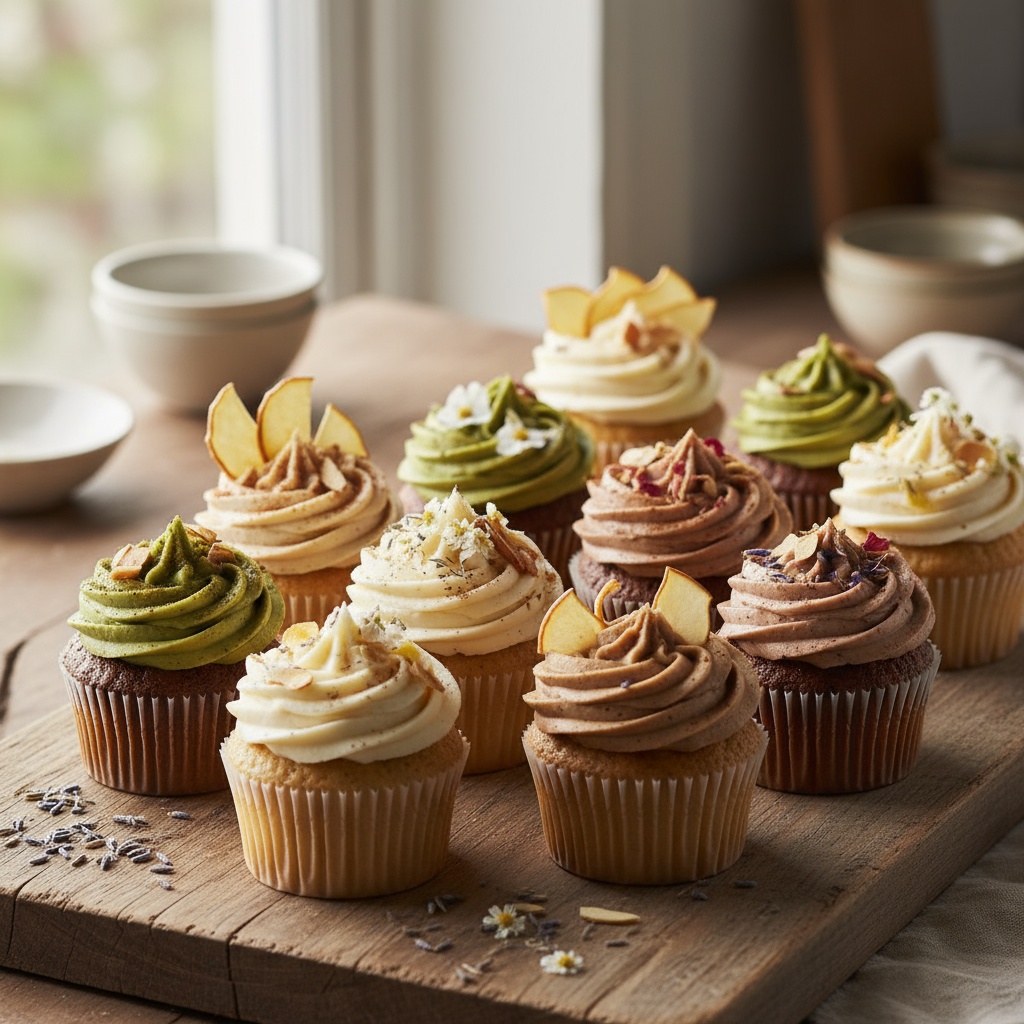
3) Method: consistent, speckle-free mixing
- Whip to white: Beat buttercream until very pale and aerated. In ABC, beat butter 5-7 minutes before sugar.
- Pre-hydrate powders: In a ramekin, stir powder with a few drops of cream/glycerin to a smooth paste; this prevents speckles.
- Add a toothpick amount: Mix fully, then rest 10-15 minutes to let color bloom. Reassess before adding more.
- Flavor balance: Add a touch of vanilla, a pinch of salt, or citrus zest to keep taste clean.
- Stabilize: If frosting softens, chill 5-10 minutes (SMBC) or add a spoon of sugar (ABC). If too firm, loosen with a teaspoon of cream.
4) Palette planning (mixing pastels)
Build a cohesive palette by preparing 2-4 bowls and tinting each a different pastel. For gentle gradients, split one base and adjust with micro-doses of the same pigment. Example palettes:
- Rose set: 3 bowls of beet at 1/16 tsp, 1/8 tsp, 1/4 tsp per 300 g frosting.
- Green set: Spirulina pinches at knife-tip scale; one bowl with matcha for warmer, tea-like green.
- Warm cream: Pinch of turmeric in one bowl; a second bowl with lemon zest and vanilla only for contrast.
5) Piping and holding color
Color deepens slightly over the first hour. Pipe test rosettes on parchment and wait 10 minutes; adjust if needed. Keep bags covered to avoid crusting. For outdoor events, prefer SMBC and chill decorated cupcakes briefly to set.
6) Troubleshooting
Speckles in frosting
Powder added dry. Pre-hydrate and beat longer; push a spoon across the bowl to smooth.
Color too dull
Start from a paler base, add a tiny bit more pigment, and rest again 10 minutes for bloom.
Off-flavor
You likely used too much pigment. Dilute with uncolored frosting; add vanilla, salt, or citrus.
Soft frosting
Chill briefly (SMBC) or add sugar (ABC). Warm hands also soften piping, use two bags and rotate.
7) Flavor pairing ideas
- Beet-rose frosting on vanilla cupcakes with raspberry filling.
- Matcha buttercream on almond cupcakes with white chocolate shavings.
- Spirulina-mint tone on lemon cupcakes with poppy seed crunch.
- Turmeric cream on coconut cupcakes with toasted coconut flakes.
FAQ
Will natural colors change the frosting taste?
Subtlely, yes. Beet adds mild earthiness, matcha a green tea note, turmeric warmth, spirulina is nearly neutral in tiny amounts. Balance with vanilla, citrus zest or a pinch of salt.
Can I get vibrant rainbow colors without dyes?
Pastel and muted tones are easiest. Vibrant hues are possible by concentrating purees/powders and starting from white, stable buttercream, but expect more natural, softer tones.
What frosting base works best?
Swiss meringue buttercream (SMBC) and American buttercream (ABC) both work. SMBC is more stable and takes color smoothly; ABC is quicker and sweeter.
How far in advance can I color frosting?
Color often blooms over 30-60 minutes. Make frosting, color slightly shy of target, rest, then adjust before piping. Store covered and stir before use.
Conclusion
With a pale base, careful micro-dosing, pre-hydration and patience, natural pigments can produce elegant, modern palettes that feel intentional and delicious. Start small, let color bloom, and balance flavor, your frosting will look refined and taste like you meant it.