
Cupcakes Sticking to Liners? Here's What to Do
By Sarah, Incr-EdibleCupCakes. Updated 2026-08-27.
Cupcakes stick to liners when there is too much sugar or fat in the batter, when they cool too fast, or when the liners are thin and low quality. Fix it with the right sugar to flour ratio, a full cooling rest, and parchment style liners.
| Liner Type | Sticking Risk | Best Used For |
|---|---|---|
| Standard paper | High | Low sugar, low fat batters |
| Parchment style | Low | Everyday baking, most recipes |
| Foil | Very low | Moist batters like carrot or banana |
| Silicone | Very low | Frequent bakers, reusable liners |
Why Cupcakes Stick To Liners In The First Place
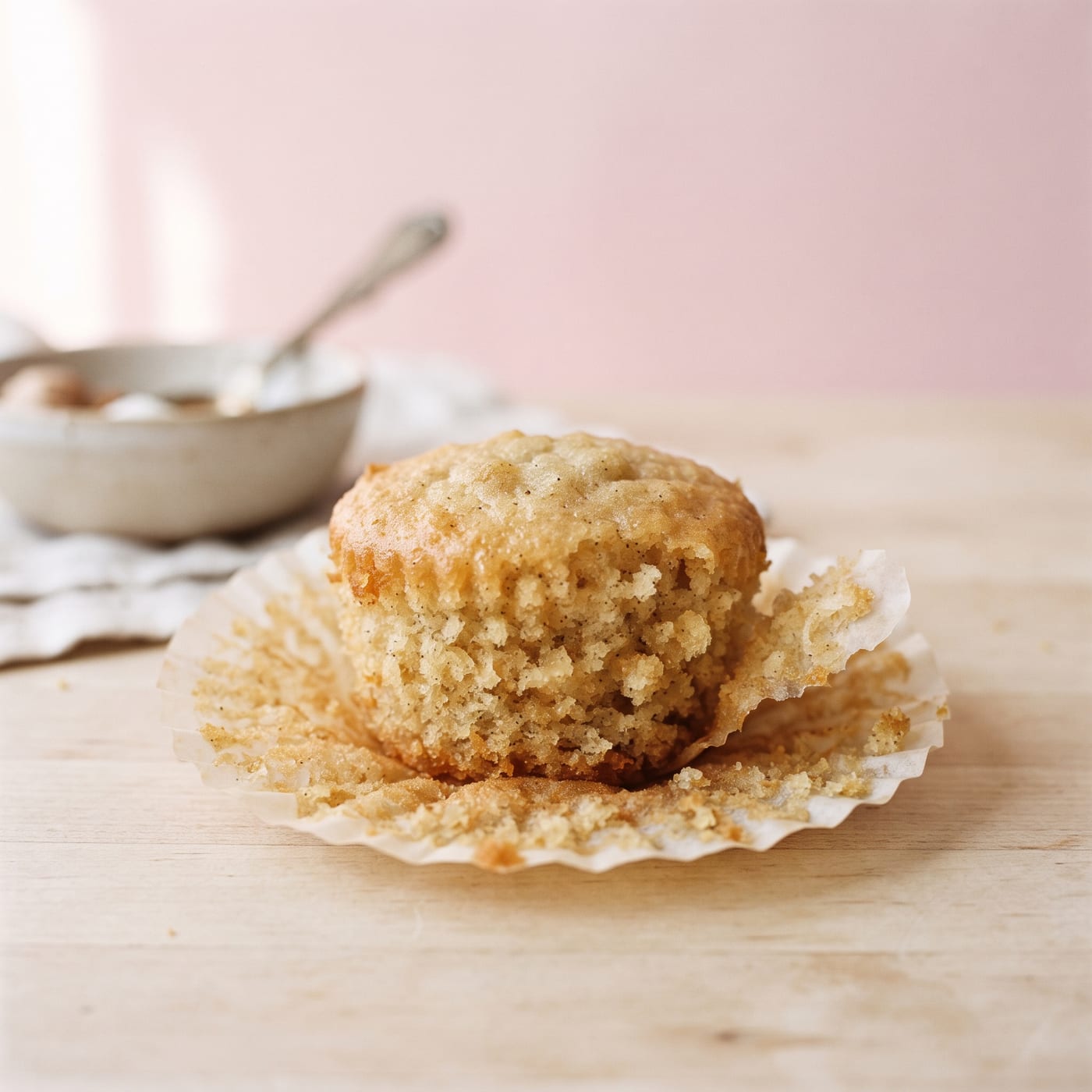
Cupcakes stick to liners mainly because of extra moisture from sugar and fat that has nowhere to go but into the paper. Sugar pulls water from the batter as it bakes, and that sugary syrup soaks into the liner and glues it to the cake once it cools.
Cheap liners make this worse because they have thin fibers with no grease barrier. High sugar recipes, like ones with brown sugar or extra oil, are the most likely to stick, so if you keep having this problem with one specific recipe, that recipe is probably the cause, not your pan or your oven.
The Sugar To Flour Ratio That Causes Sticking
A safe sugar to flour ratio for cupcakes is close to 1 to 1 by volume, and going much higher than that raises your sticking risk. When sugar makes up more than the flour in a batter. It creates extra moisture that migrates outward during baking and settles right against the liner.
I tested this in my own kitchen with the same base recipe at three sugar levels. The version with 25 percent more sugar than flour stuck badly, the 1 to 1 version peeled clean, and the lower sugar version was even easier to unwrap.
- 1 to 1 sugar to flour: liners peel cleanly most of the time.
- 1. 25 to 1 sugar to flour: liners stick in patches, especially at the base.
- Less than 1 to 1 sugar to flour: liners peel almost perfectly every time.
Why Cooling Time Matters More Than You Think
Cooling time matters because warm cupcakes are still releasing steam, and that steam keeps softening the paper against the cake. Pull a cupcake out of the liner while it is hot and you are pulling against wet. Sticky paper instead of a set surface.
Give cupcakes 10 minutes in the pan first, so the structure firms up without trapping heat. Then move them to a wire rack for at least 20 more minutes before you try to peel a liner off.
Liner Quality: What Actually Makes A Difference
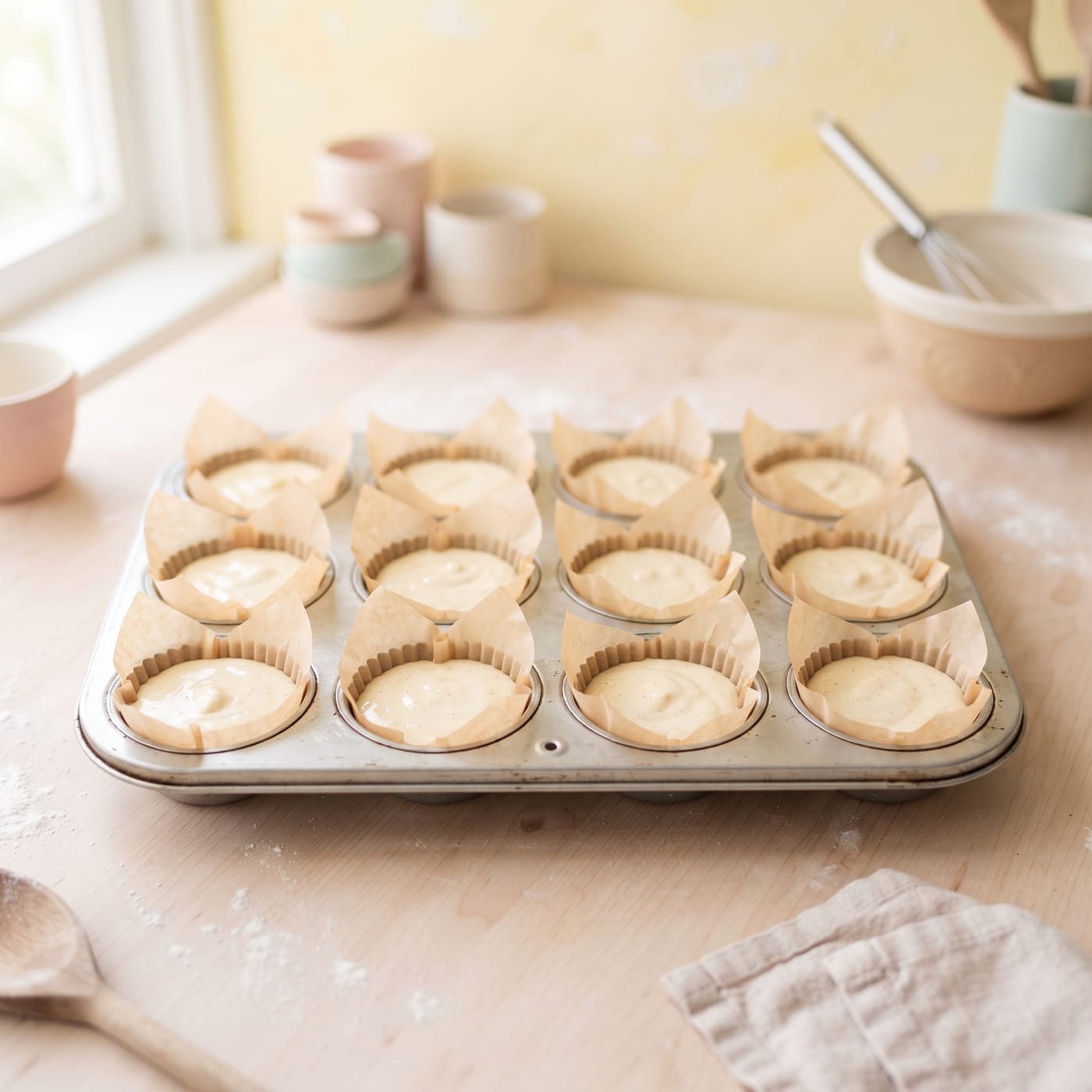
Liner quality matters because thin, uncoated paper liners have no barrier against grease and sugar syrup. Parchment style or greaseproof liners have a light wax or silicone coating that stops batter from soaking straight through the fibers.
I switched from standard grocery store liners to greaseproof ones for my banana and carrot cupcakes. Both high moisture recipes, and the sticking basically stopped. If you bake sticky recipes often, this one swap saves more frustration than any batter tweak.
- Standard paper liners: cheap but prone to sticking with wet batters.
- Parchment style liners: grease resistant, peel cleanly, cost a bit more.
- Foil liners: very sturdy, good for very moist or dense cupcakes.
- Silicone liners: reusable, almost never stick, but change baking time slightly.
Extra Tricks For Stubborn Sticky Batters
For recipes that always stick, a light spray of oil inside the liner before filling gives the batter a barrier to bake against. This works especially well for dense, high fat recipes like pumpkin or zucchini cupcakes.
You can also drop the oven temperature by 10 degrees and add a couple minutes of bake time. Slower baking lets moisture escape more evenly, instead of rushing to the surface and soaking the liner.
How To Tell If Your Recipe Is The Real Problem
If sticking only happens with one specific recipe, the recipe's sugar or fat content is the real problem, not your technique. Compare it against a simpler recipe you know works, and check the sugar amount against the flour amount by volume.
If the ratio is noticeably higher than 1 to 1, that is your answer. Try trimming the sugar by a couple tablespoons per cup of flour and see if the liners start peeling cleanly.
FAQ
Can I fix sticky liners without changing my recipe?
Yes, start with cooling time and liner quality first. A full 30 minute cool and greaseproof liners solve most sticking without touching the batter.
Why do only some of my cupcakes stick in the same batch?
This usually means uneven filling or pan placement. Cupcakes near the oven's edges bake faster and cool with more residual moisture, so their liners stay softer longer.
Do foil liners stick less than paper liners?
Foil liners resist sticking better than plain paper because they do not absorb moisture. They work well for very wet batters like carrot or banana cupcakes.
Should I spray liners with oil every time I bake?
No, only for recipes that are consistently sticky. Oiling liners for every batch can make lighter cupcakes greasy on the outside.
Does using less sugar change how sweet the cupcake tastes?
A small reduction, like two tablespoons per cup of flour. Is barely noticeable in taste but can make a real difference in liner sticking.