
Brown Butter in Baking: Complete Guide and Ratios
By Sarah, Incr-EdibleCupCakes. Updated 2026-05-30.
Brown butter is regular butter cooked until milk solids caramelize. Use it 1:1 by weight in cupcake batters and reduce other liquids by 1 tablespoon per ½ cup to account for lost water.
| Application | Ratio | Adjustment | Best stage |
|---|---|---|---|
| Butter-based cupcake batter | 1:1 by weight | Reduce liquid 1 tbsp per ½ cup brown butter | Stage 3 |
| Oil-based cupcake batter | Up to 50% of oil by weight | No liquid change | Stage 3 |
| American buttercream | 1:1 by weight, re-solidified | Chill before creaming | Stage 3 |
| Swiss meringue buttercream | 1:1 by weight, re-solidified | Add slightly cooler than usual | Stage 2 or 3 |
| Delicate flavors (vanilla, lemon) | 1:1 by weight | Reduce liquid as above | Stage 2 |
| Dark chocolate or espresso | 1:1 by weight | Can use stage 4 | Stage 3 or 4 |
What Happens When You Brown Butter
Butter is mostly fat, water, and milk solids. Heat melts the butter first. Water steams off. That is the bubbling you hear.
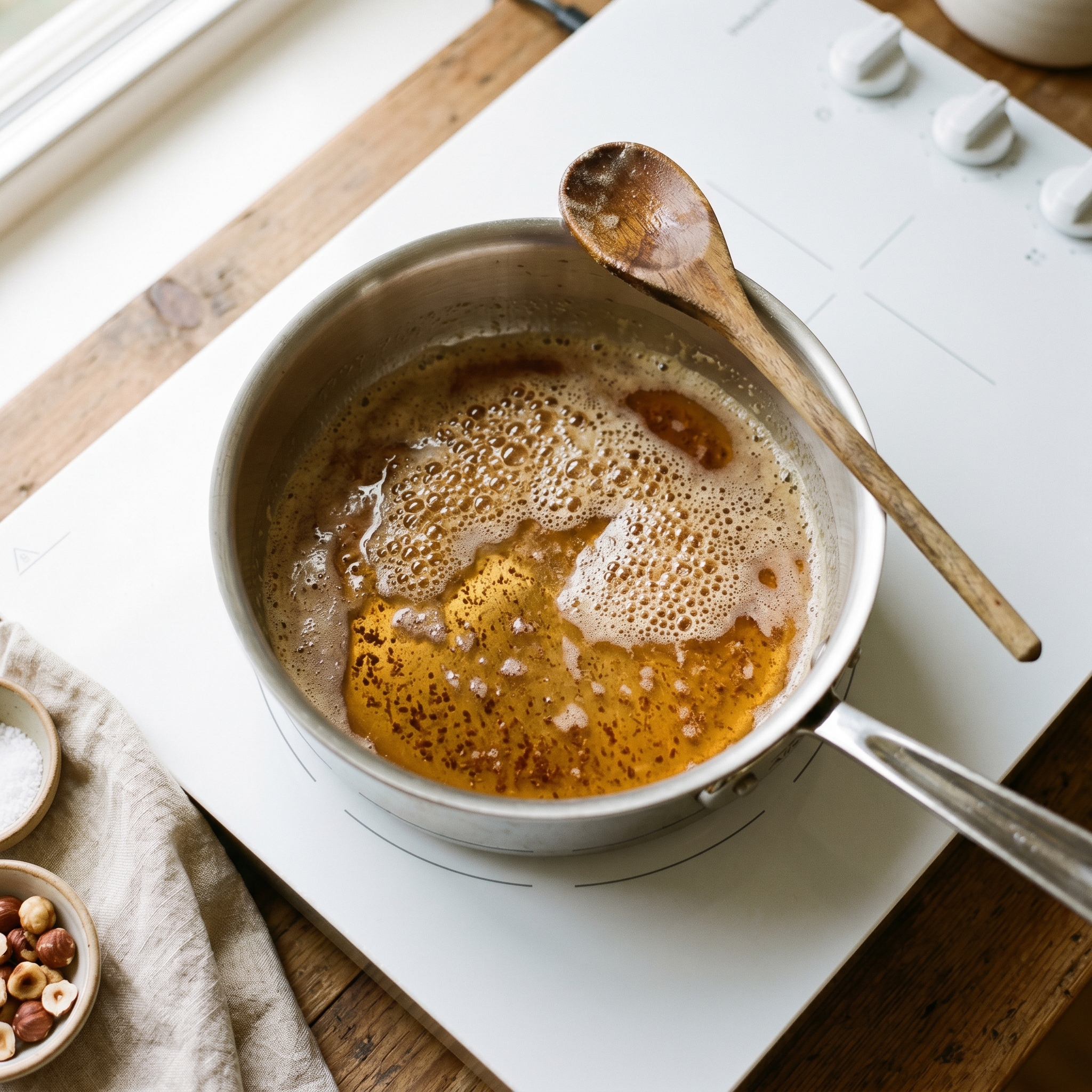
Once water is mostly gone, milk solids caramelize. You get golden liquid with brown specks on the bottom. Do not pour those off. They carry most of the nutty, toffee-like flavor.
The Four Browning Stages (And Where to Stop)
Watch all four stages instead of color alone. I burned a lot of butter before I learned this.
Stage 3 is the sweet spot for most cupcakes: deep amber liquid, brown specks, hazelnut smell. Stage 4 goes dark and sharp. Fine for chocolate or espresso recipes. One step past that is burnt butter. Start over.
- Stage 1: melted and foamy, water still present, no flavor change
- Stage 2: golden with first nutty scent, good for subtle vanilla or lemon
- Stage 3: amber with hazelnut aroma, ideal for most cupcakes and frosting
- Stage 4: dark brown with sharp edge, only for deeply flavored recipes
- Burnt: acrid smell and black specks, discard and start over
Ratios for Cupcake Batters
You lose about 15 to 20% of butter weight as steam when you brown it. Substitute by weight, not volume. If a recipe needs 113 g (½ cup) butter. Brown about 125 to 130 g and use up to 113 g of the finished product.
Reduce other liquids (milk, buttermilk, water) by 1 tablespoon per ½ cup browned butter. That keeps hydration right and prevents dense crumbs. Brown butter is not a direct swap for oil. You can replace up to half the oil by weight with cooled liquid brown butter.
Using Browned Butter in Frosting
Re-solidify browned butter before you cream it. Pour into a bowl, cool to room temp, then chill until firm but not rock hard. That takes about 45 to 60 minutes in the fridge.
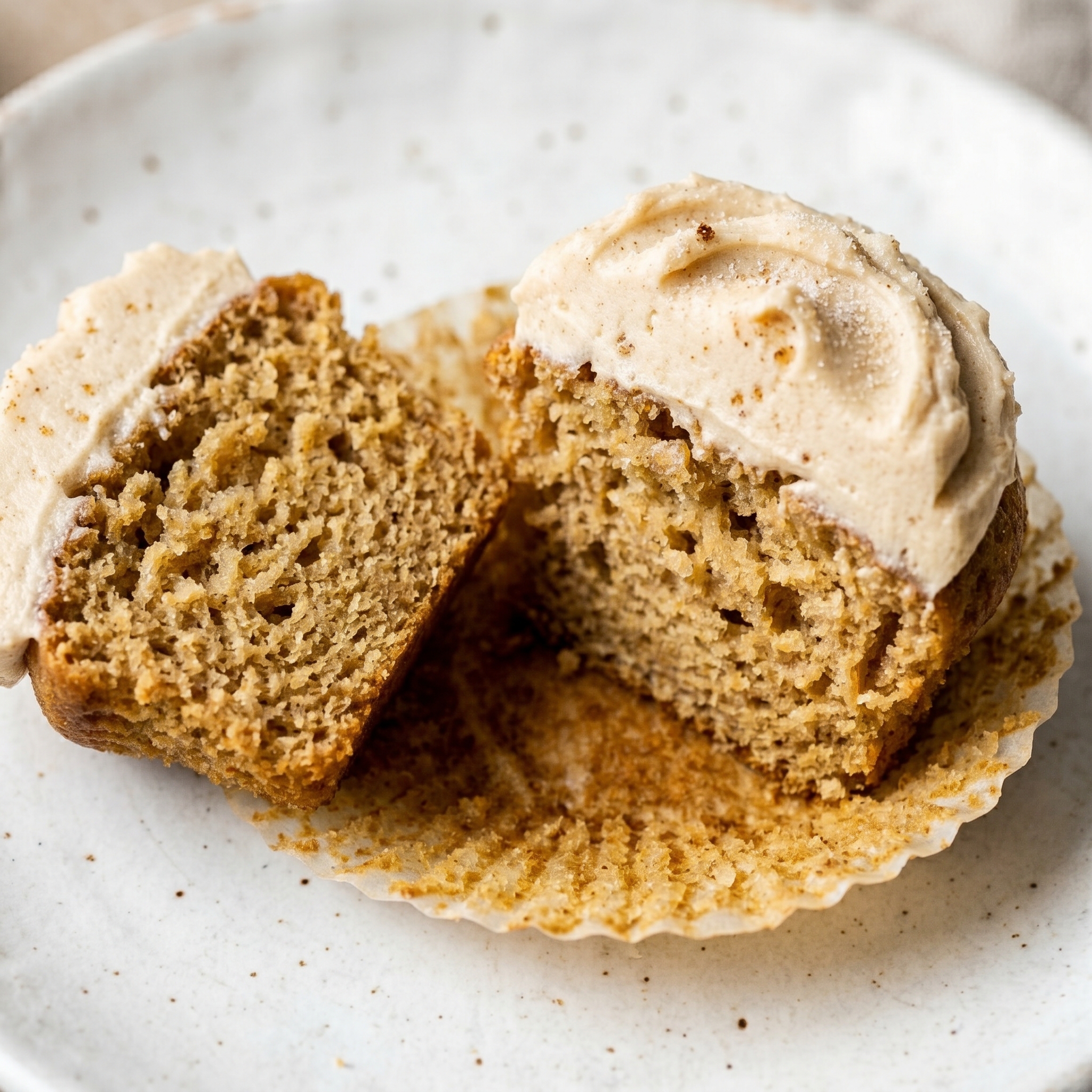
Use it like softened butter in American or Swiss meringue buttercream. Expect a pale tan color from the caramelized solids. Account for that warm base tone if you add food color, especially pastels.
- Standard brown butter American buttercream: 113 g re-solidified brown butter, 2½ cups powdered sugar. 2 to 3 tbsp heavy cream, pinch of salt
- Richer and less sweet-tasting than regular buttercream because of the nutty notes
Common Mistakes and How to Avoid Them
Dark pans hide color changes. Use light stainless steel or enamel. Brown butter goes from done to burnt in about 30 to 45 seconds on medium heat. Stay at the stove and stir.
Never add hot brown butter to eggs. Cool to room temperature first, about 20 to 25 minutes. Or set the pan in shallow ice water for a few minutes. The butter should be warm but safe to touch.
- Light-colored pan, non-negotiable
- Stir constantly once foaming starts
- Cool before adding to batter
- Re-chill before using in frosting
- Start with extra butter to cover evaporation loss
FAQ
Can I brown salted butter instead of unsalted?
You can, but I do not recommend it for batters. Most recipes already add salt with unsalted butter. Salted butter makes sodium unpredictable. For frosting, salted brown butter can work. Skip or reduce added salt in that case.
Why did my brown butter frosting turn greasy after piping?
Usually temperature. If the re-solidified butter was too soft or the kitchen is warm, frosting can break. Chill the bowl 10 to 15 minutes and re-beat. If fully broken, beat in 1 to 2 tbsp cold butter to bring it back.
Does brown butter affect cupcake rise?
Slightly, because you remove water that would have steamed in the oven. If you follow the liquid reduction rule, rise stays close to normal. Problems show up when you keep full milk amounts without adjusting.
How far ahead can I make and store brown butter?
Refrigerate up to 2 weeks in an airtight container. Freeze up to 3 months. I freeze tablespoon portions in an ice cube tray. Thaw to room temperature for batters. Re-solidify for frosting.