
Why Are My Cupcakes Dry?
By Sarah, Incr-EdibleCupCakes. Updated 2026-08-24.
Dry cupcakes usually come from overbaking, too much flour, or overmixing the batter. Fix all three and most dry-crumb problems disappear.
| Cause | What It Looks Like | Easy Fix |
|---|---|---|
| Overbaking | Dark edges, crumbly texture, tastes stale | Pull cupcakes when toothpick shows moist crumbs |
| Too much flour | Dense, heavy, tight crumb | Spoon and level flour, or weigh it on a scale |
| Overmixing | Tough, chewy, rubbery bite | Mix flour in on low speed just until combined |
| Poor moisture control | Dry even when baked correctly | Add sour cream or oil, brush with syrup after baking |
What Actually Makes Cupcakes Dry
Cupcakes turn dry when they lose too much moisture during baking or when the batter has too much flour or gluten to start. Four causes show up again and again in my kitchen tests: overbaking, too much flour, overmixing, and poor moisture control.
Each one pulls water out of the crumb or locks it up so it cannot stay soft. The good news is each cause has a simple fix.
- Overbaking: extra minutes in the oven evaporate moisture.
- Too much flour: dense batter with less fat and liquid per bite.
- Overmixing: builds gluten, which makes cupcakes tough and dry.
- Poor moisture control: wrong fat, wrong liquid ratio, or skipped soak.
Overbaking Is the Number One Culprit
Even two extra minutes in the oven can dry out a cupcake, because sugar and starch keep losing water once the crumb sets. Most home ovens run hotter or cooler than the dial says, which throws off bake times.
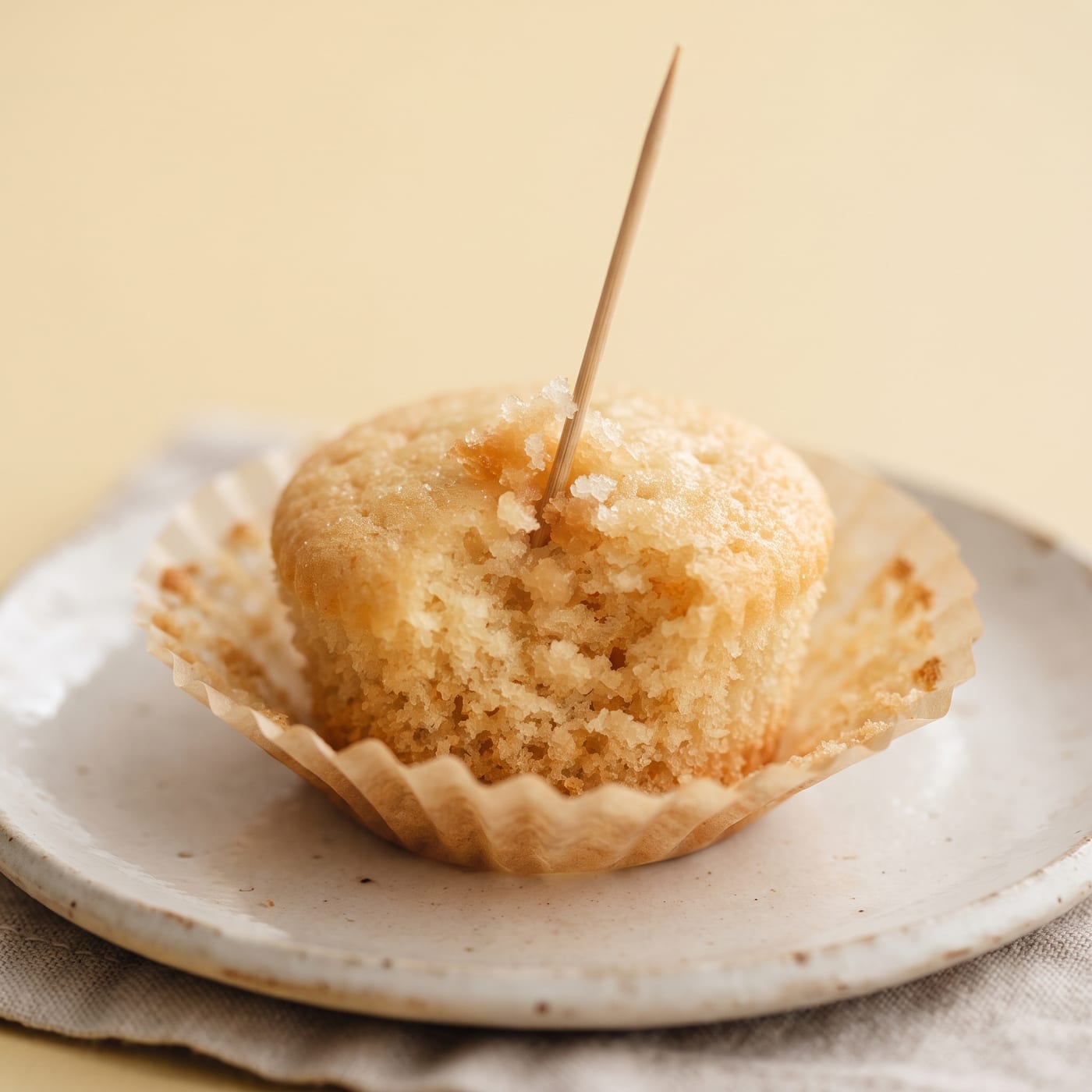
I test doneness at the earliest time listed in a recipe, not the latest. A toothpick with a few moist crumbs clinging to it means the cupcake is done, not underbaked.
- Set a timer for 2 minutes before the recipe's minimum bake time.
- Check with a toothpick in the center, not the edge.
- Look for a light golden top that springs back when touched.
- Pull the pan the moment crumbs look moist, not wet batter.
Getting the Flour Ratio Right
Too much flour is one of the fastest ways to dry out cupcakes, since flour soaks up liquid and leaves less moisture in the finished crumb. Scooping flour straight from the bag packs in extra flour you did not mean to add.
I always spoon flour into my measuring cup, then level it off with a knife. This one habit fixed more of my dry batches than any other change.
- Spoon flour into the cup, never scoop and pack.
- Level with a straight edge, no mounding.
- Weigh flour on a kitchen scale for the most accurate results.
- Check your recipe uses roughly 1 cup flour per 12 cupcakes as a rough guide.
Mixing Technique Matters More Than You Think
Overmixing batter builds up gluten, and gluten makes cupcakes chewy and dry instead of soft. This happens most often once flour goes into the bowl.
Mix on low speed and stop as soon as you stop seeing streaks of flour. A few small lumps are fine and will bake out.
- Cream butter and sugar until light, about 2 to 3 minutes.
- Add eggs one at a time, mixing just until blended.
- Add flour in the last step and mix on low speed only.
- Stop mixing the moment the batter looks uniform, no longer.
Moisture Control: Fat, Liquid, and Sugar
Cupcakes stay moist when fat and liquid are balanced against flour and sugar. Butter alone can make a drier crumb than a mix of butter and oil, since oil stays liquid at room temperature and keeps cupcakes softer longer.
Sugar also holds onto water, so cutting sugar in a recipe often backfires and dries things out. I keep sugar as written and adjust sweetness with frosting instead.
- Use part oil, part butter for a softer, moister crumb.
- Do not reduce sugar, it holds moisture in the crumb.
- Add sour cream, buttermilk, or yogurt for extra moisture and tang.
- Bring eggs and butter to room temperature before mixing.
Easy Rescue Tips for Dry Cupcakes
You can still save dry cupcakes after baking with a quick soak or a moist filling. This will not fix a burnt or overbaked cake fully, but it helps a lot.
I use a simple syrup brush for cupcakes that came out slightly dry, and it works within minutes.
- Brush warm cupcakes with simple syrup or fruit juice right after baking.
- Poke small holes in the top with a skewer before brushing for deeper soak.
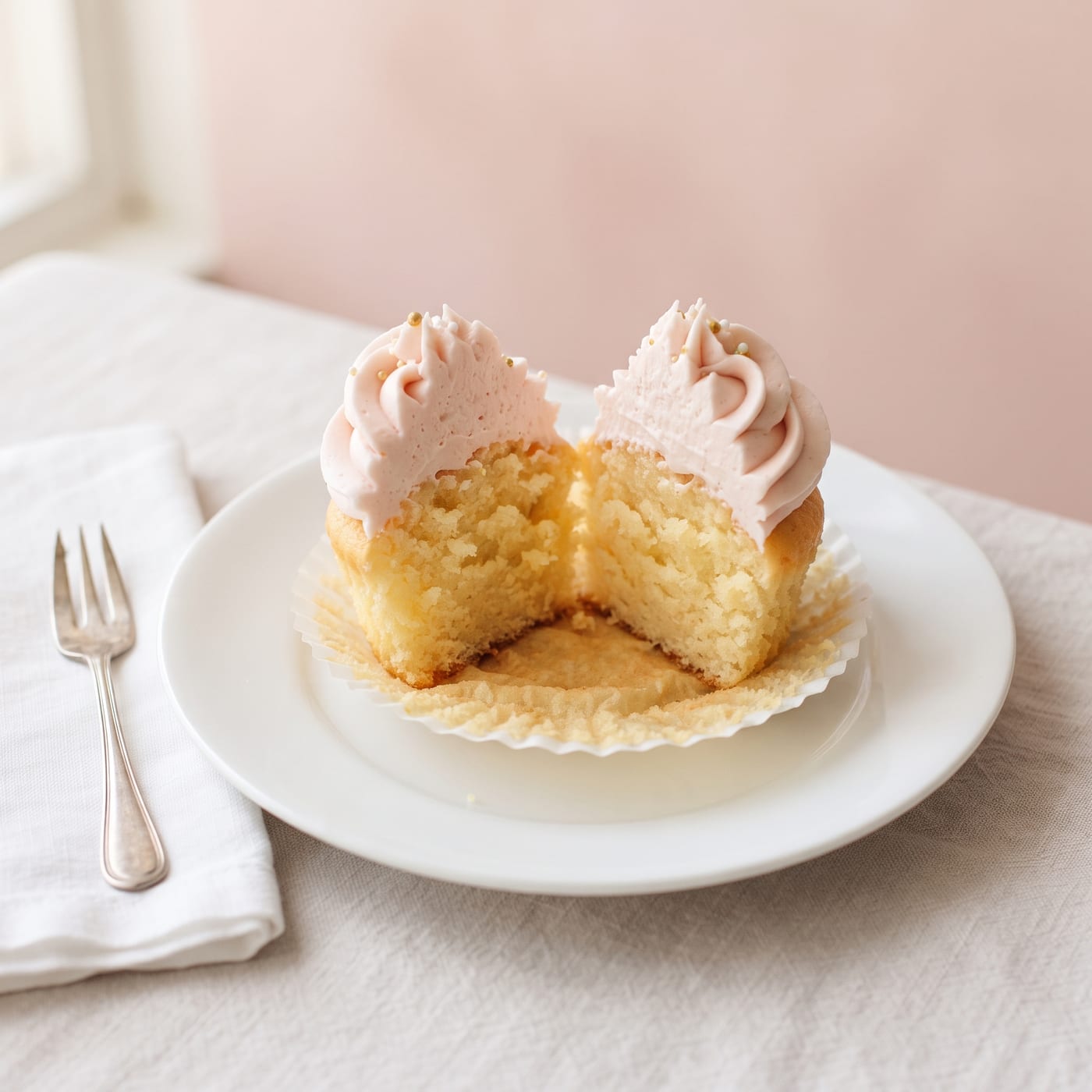
- Fill centers with curd, ganache, or pudding to add moisture from the inside.
- Frost generously since a thick layer of buttercream adds moisture to each bite.
- Store leftovers in an airtight container to stop them drying out further.
FAQ
Why are my cupcakes dry even though I followed the recipe exactly?
Your oven may run hotter than the dial shows, which overbakes cupcakes even at the listed time. Check with a separate oven thermometer and start testing doneness a couple minutes early.
Can I fix cupcakes that are already dry?
Yes, brush warm cupcakes with simple syrup or fruit juice to add moisture back into the crumb. Filling the center with curd or ganache and frosting generously also helps a lot.
Does too much flour really make cupcakes dry?
Yes, extra flour soaks up liquid and leaves less moisture in the finished crumb. Always spoon flour into your measuring cup and level it, or weigh it on a scale.
Is overmixing really a cause of dry cupcakes?
Yes, overmixing batter after the flour goes in builds gluten and makes cupcakes chewy and dry. Mix on low speed and stop as soon as the streaks of flour disappear.
Should I use butter or oil to keep cupcakes moist?
A mix of both works best, since oil stays liquid at room temperature and keeps the crumb softer longer than butter alone. Try replacing a quarter of the butter in your recipe with the same amount of oil.