
Why Cupcakes Taste Bland and How to Boost Flavor
By Sarah, Incr-EdibleCupCakes. Updated 2026-08-27.
Bland cupcakes usually come from too little salt, weak or fake extracts, and only one flavor layer. Fix all three and even a basic vanilla cupcake tastes far more interesting.
| Flavor Booster | Best Use | Starting Amount |
|---|---|---|
| Fine salt | Batter and frosting | 1/4 to 1/2 tsp per cup flour |
| Real vanilla extract | Batter, frosting, filling | 1 to 2 tsp per batch |
| Citrus zest | Batter and garnish | 1 to 2 tsp per batch |
| Espresso powder | Chocolate batter | 1 tsp per batch |
| Peppermint oil | Batter or ganache | 1/8 tsp per batch |
Why Do Cupcakes Taste Bland in the First Place
Cupcakes taste bland when salt, extract quality, and flavor layers are all too weak to stand up to baking heat. Heat dulls sweetness and aroma, so a batter that tastes fine raw often bakes up flat.
I tested this in my own kitchen by baking the same vanilla batter three ways, once plain, once salted. Once boosted with extra vanilla and zest. The boosted batch was the only one that tasted like anything once it cooled.
- Not enough salt to sharpen sweetness.
- Weak or imitation extracts that bake out.
- Only one flavor layer, usually just the batter.
- No aromatic oils or zest to carry scent.
Salt Is Doing More Work Than You Think
Salt makes cupcakes taste less bland by sharpening sweetness and waking up other flavors, not by making them salty. Most bland cupcakes just do not have enough of it.
A standard ratio is 1/4 to 1/2 teaspoon fine salt per cup of flour. If your batter tastes flat even after adding vanilla, add salt before you add more sugar.
- Use fine table salt for even mixing, not coarse flakes.
- Add a pinch of flaky salt on top of frosting for contrast.
- Salted butter alone is not enough, add extra salt too.
- Taste raw batter, it should taste slightly savory, not sweet only.
Extract Quality Changes Everything
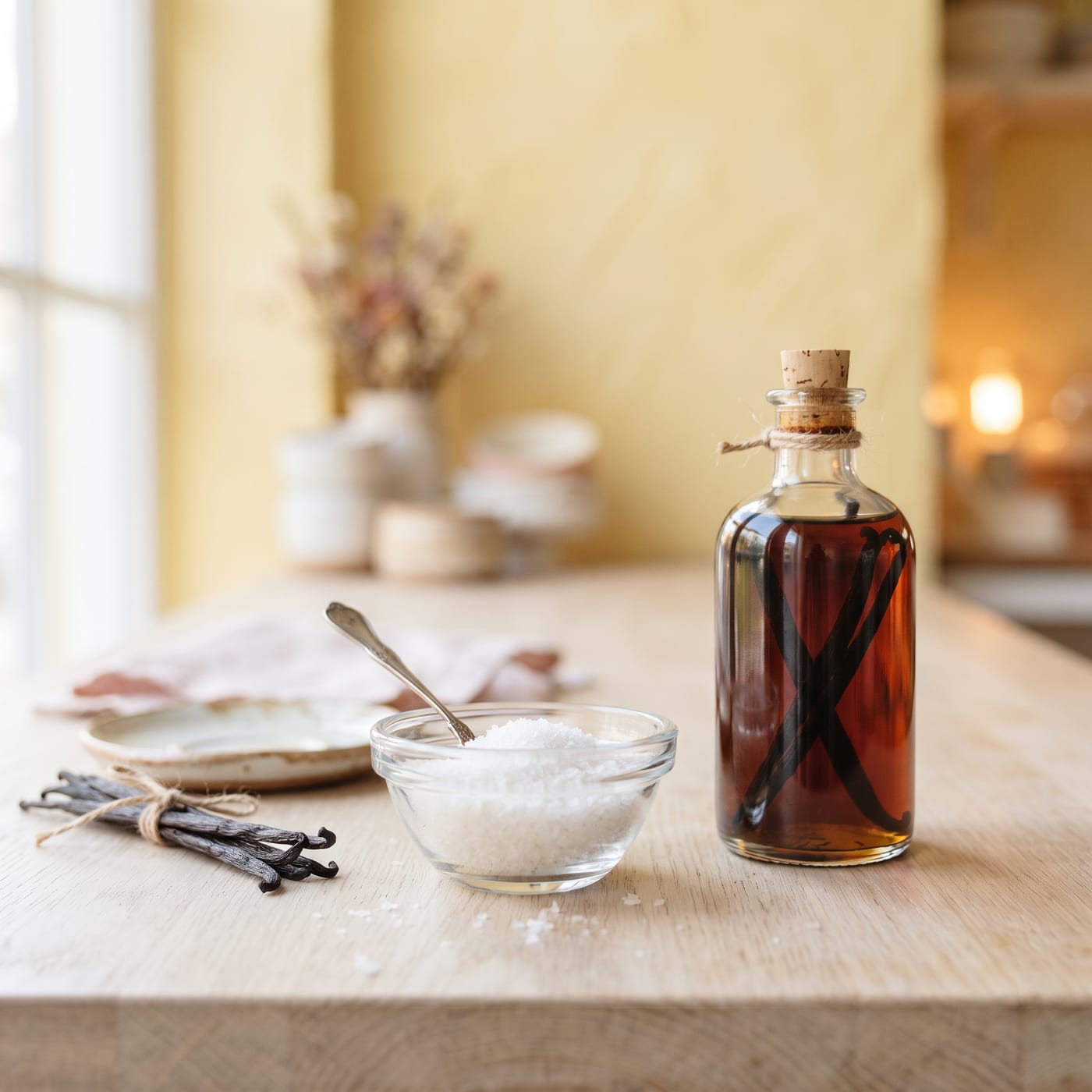
Real extract tastes rounder and lasts longer through baking than imitation extract, which is why cheap vanilla often disappears in the oven. Imitation extracts use synthetic vanillin that fades fast under heat.
I keep a bottle of real vanilla extract and a paste for frosting, since paste holds up better in cold applications like buttercream.
- Real vanilla extract: rounder taste, holds up in baking.
- Imitation extract: sharp and fades fast, best skipped.
- Vanilla bean paste: strong flavor plus visible specks in frosting.
- Almond and citrus extracts fade fast too, add slightly more than the recipe states.
Layer Flavor Instead of Relying on One Source
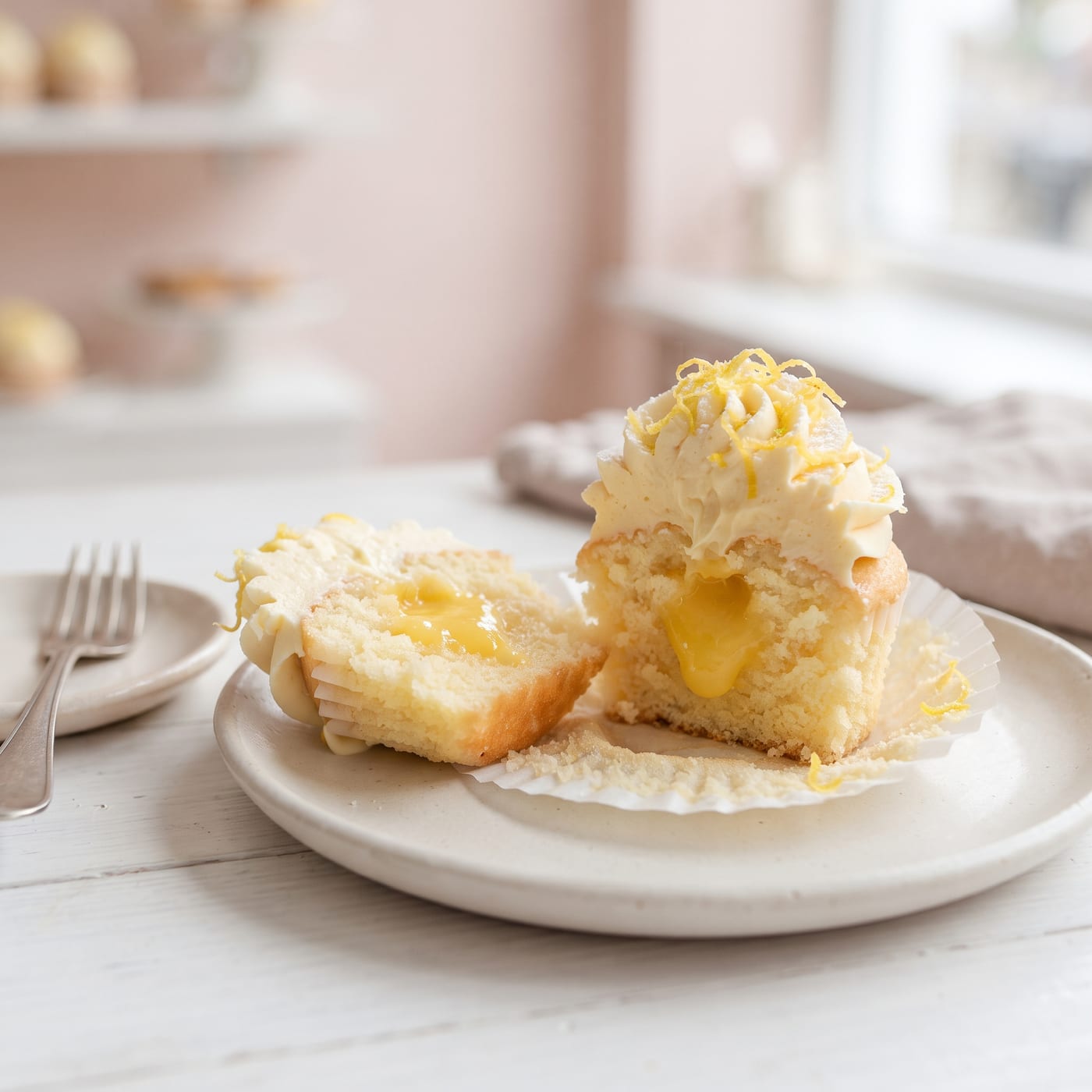
Layering flavor means adding the same or complementary flavors in the batter, filling, and frosting, so no single bite ever tastes weak. One vanilla batter with plain frosting only gives you one shot at flavor.
For a lemon cupcake, I put zest in the batter, lemon curd in the center, and lemon zest again in the frosting. Each layer reinforces the last instead of fading alone.
- Batter: base flavor plus salt and extract.
- Filling: concentrated flavor like curd, ganache, or jam.
- Frosting: matching or contrasting flavor on top.
- Garnish: zest, cocoa, or crumbs for a final hit of aroma.
Use Aromatic Oils and Zest to Carry Scent
Aromatic oils and citrus zest boost cupcake flavor because scent drives most of what we taste, more than sweetness does. Warming oils or zest in melted butter releases more aroma than adding them cold.
Lemon, orange, and lime zest work in almost any batter, while food grade essential oils like peppermint or orange need very small amounts.
- Citrus zest: rub into sugar before mixing for max oil release.
- Peppermint oil: start with 1/8 tsp per batch, very strong
- Espresso powder: boosts chocolate without adding coffee flavor.
- Warm spices like cinnamon: bloom briefly in melted butter first.
How to Taste Test Batter Before Baking
Tasting raw batter before baking is the fastest way to catch bland cupcakes early, since baking only dulls flavor further, never adds it. If batter tastes weak raw, it will taste weaker baked.
Take a small spoonful, let it sit a few seconds on your tongue, and note if salt, sweetness, and aroma all show up clearly.
- Weak raw batter: add salt first, then more extract.
- Flat aroma: add zest or warm spice, mix well.
- Too sweet, nothing else: add salt and acid like lemon juice.
- Tastes good raw but bakes bland: check oven temperature and bake time.
FAQ
Why does my cupcake taste bland even with vanilla extract?
Imitation vanilla extract fades fast under heat, so it can taste weak once baked. Switch to real vanilla extract or vanilla bean paste and add a touch more salt to sharpen the flavor.
How much salt should I add to cupcake batter?
Use 1/4 to 1/2 teaspoon fine salt per cup of flour as a starting point. This amount sharpens sweetness without making the cupcake taste salty.
Can frosting fix a bland cupcake?
Frosting helps but cannot fully fix a bland cupcake on its own. Layer flavor in the batter and filling too, so every bite carries flavor, not just the top swirl.
What aromatic oils work best in cupcakes?
Citrus zest, peppermint oil, and espresso powder are reliable choices for boosting flavor. Start small, especially with essential oils, since a little goes a long way.
Does overbaking make cupcakes taste more bland?
Yes, overbaking dries out the crumb and dulls flavor along with moisture. Check cupcakes a few minutes before the timer ends and pull them as soon as a toothpick comes out clean.