
Why Room Temperature Ingredients Matter
By Sarah, Incr-EdibleCupCakes. Updated 2026-08-08.
Room temperature ingredients blend into one smooth batter instead of separating, which gives cupcakes a fine, even crumb. Cold butter or eggs cause lumps and trapped air pockets that bake into dense or rubbery spots.
| Ingredient | Ideal Temperature | Quick Warm Up Method |
|---|---|---|
| Butter | 65 to 68°F, soft with a dent | Cut into cubes, sit 20 minutes |
| Eggs | 68 to 70°F | Warm water bath, 10 minutes |
| Milk or buttermilk | 65 to 70°F | Microwave in 10 second bursts |
What Room Temperature Actually Does
Room temperature ingredients matter because they blend into one smooth, stable batter instead of a lumpy or curdled one. Butter, eggs, and milk at around 65 to 70°F combine evenly, trapping tiny air bubbles that give cupcakes their soft, even crumb.
When ingredients are cold, fats stay stiff and liquids resist mixing into them. The batter looks broken or grainy, and that structure problem carries all the way into the oven.
The Science of Emulsification
Emulsification is what happens when fat and liquid mix into one smooth batter instead of separating. Butter needs to be soft enough to hold tiny air pockets, and eggs need to be warm enough to blend into that fat without seizing it up.
Cold eggs added to creamed butter cause tiny hard flecks of fat to form, since the sudden temperature drop makes the butter clump. Once that happens, the batter cannot hold air the same way, and cupcakes bake flatter with a tighter, tougher crumb.
How Butter Temperature Changes Texture
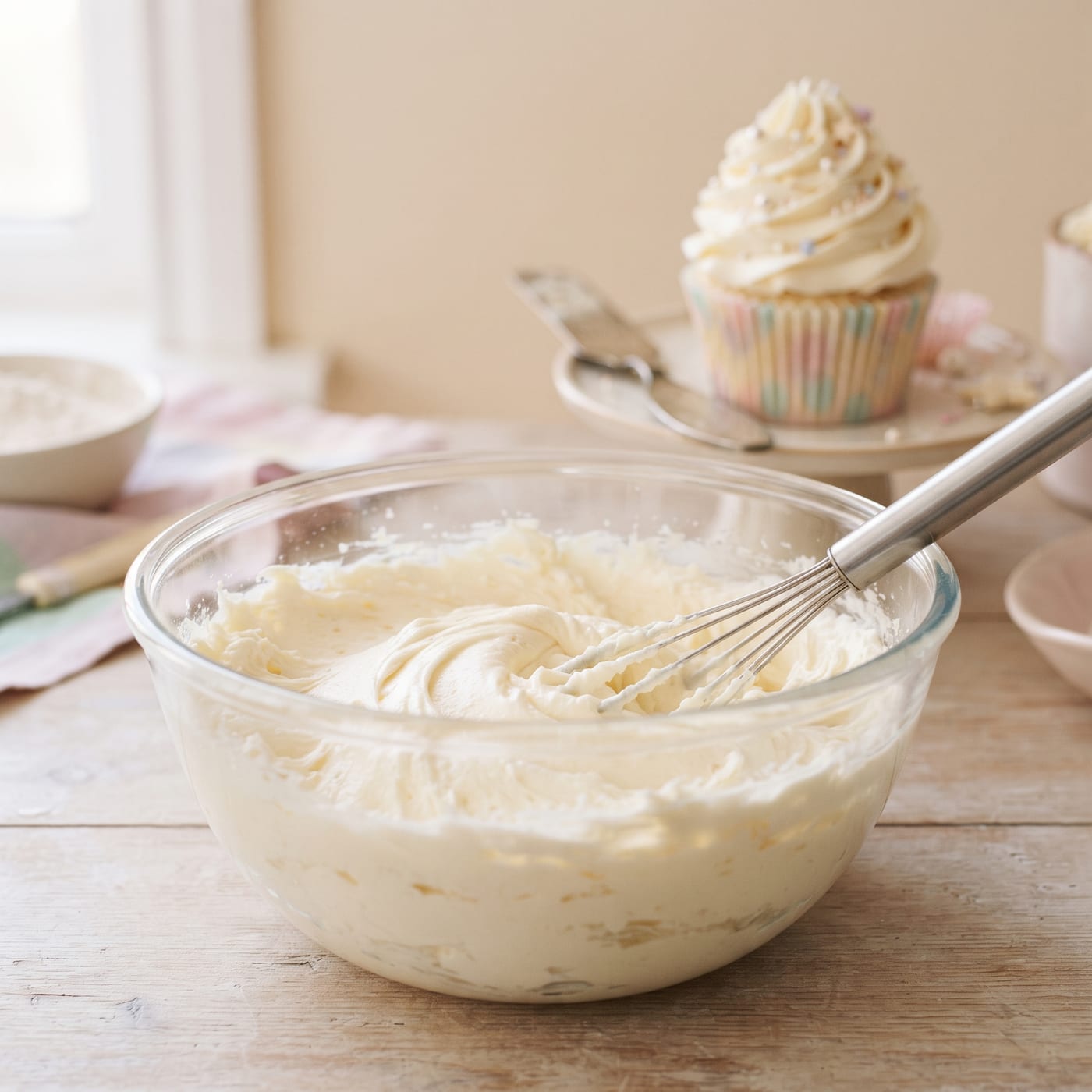
Butter at the right temperature creams into a light, pale mixture that holds air bubbles evenly. Too cold, and it will not cream at all, leaving dense clumps. Too warm, and it turns greasy, losing its ability to trap air.
I test mine with a finger press test in my own kitchen: it should leave a dent without sinking straight through. That soft but structured stage is what gives cupcakes their rise and their tender bite.
- Too cold: butter looks lumpy, will not cream smooth.
- Just right: soft, pale, holds a finger dent.
- Too warm: greasy, shiny, batter turns oily.
Why Eggs and Milk Need to Warm Up Too
Eggs and milk need to be room temperature so they blend into the batter instead of shocking the fat. Cold eggs dropped into creamed butter can cause curdling, where the mixture looks broken and separated.
Cold milk or buttermilk added at the end can also stiffen the batter suddenly, making it harder to fold in dry ingredients evenly. That uneven mixing shows up later as tunnels or dense streaks in the baked cupcake.
How to Warm Ingredients Fast
You do not need to plan hours ahead to get ingredients to room temperature. A few quick tricks bring butter, eggs, and milk up to baking temperature in 10 to 20 minutes.
I use these shortcuts constantly on busy baking days, and they work just as well as waiting on the counter.
- Cut butter into small cubes to soften faster.
- Place whole eggs in a bowl of warm water for 10 minutes.
- Microwave milk in 10 second bursts, stirring between each.
- Set butter near (not on) a warm oven for quick softening.
Signs Your Batter Went Wrong
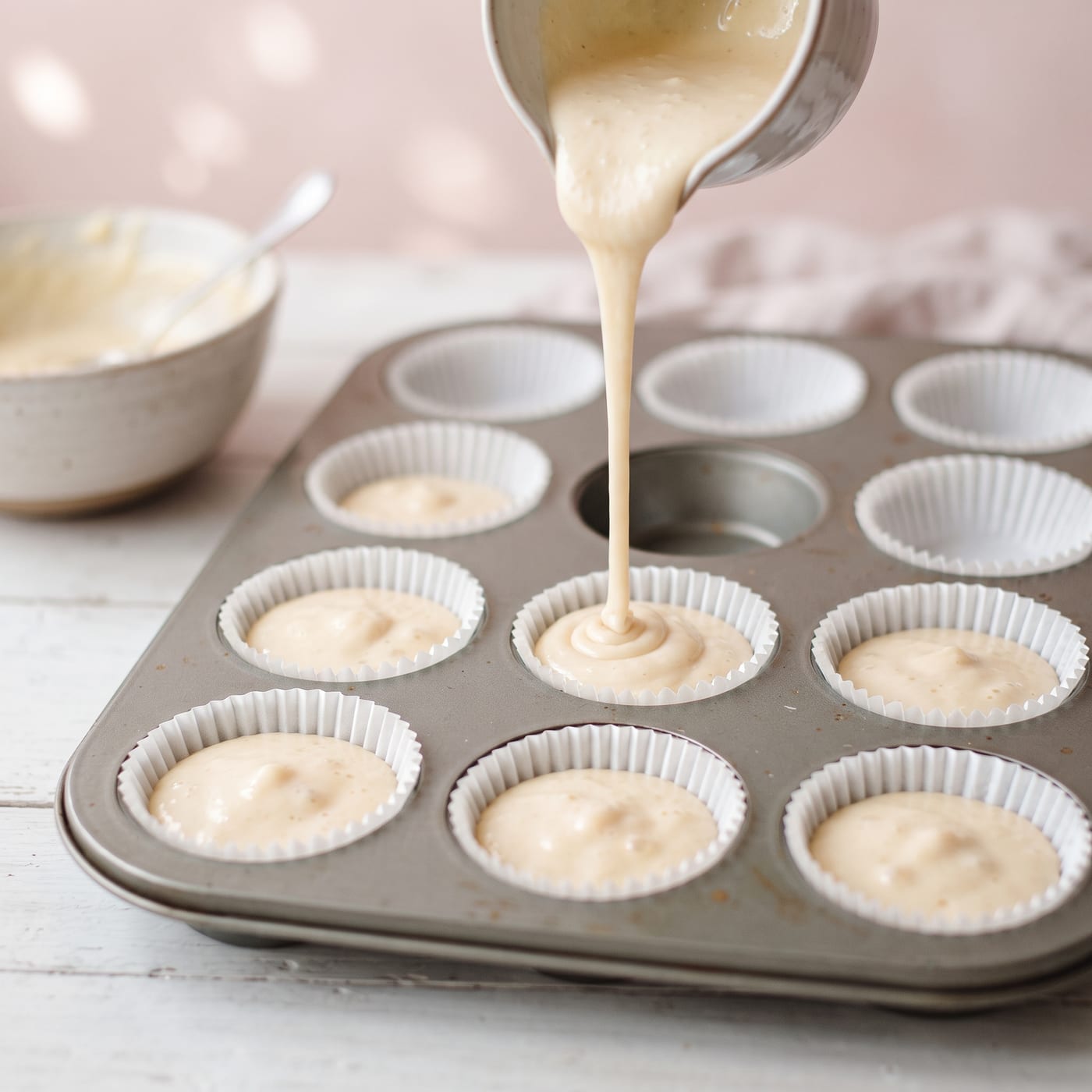
A batter with temperature problems usually looks curdled, grainy, or separated before you even add flour. Once you spot that texture, the fix is easy: add a spoonful of the flour mix and beat again to bring it back together.
If cupcakes come out dense, greasy, or with a tight rubbery crumb, cold ingredients are often the cause. Checking temperature before you start baking prevents most of these problems entirely.
FAQ
Can I microwave butter to soften it quickly
Use short 5 second bursts and check often, since melted spots ruin the creaming stage. Soft, evenly cool butter creams better than butter with melted edges.
What happens if I only forget the eggs
Cold eggs alone can still curdle warm creamed butter, causing a lumpy batter. Warm them in water for 10 minutes before adding.
Does room temperature matter for oil based cupcake batters
It matters less, since oil stays liquid at fridge temperature. Eggs and milk still benefit from warming for a smoother mix.
Why did my batter look curdled even with warm butter
Eggs added too quickly, or eggs still slightly cold, are the most common cause. Add them one at a time and mix fully between each addition.
How long can butter sit out before it is unsafe
Butter is fine at room temperature for a few hours while baking. It does not need refrigeration for the short window a baking session takes.