
Cocoa Powder Types: Dutch vs Natural
By Sarah, Incr-EdibleCupCakes. Updated 2026-09-06.
Dutch process cocoa is treated with alkali, so it tastes smoother and darker, while natural cocoa is untreated. More acidic, and sharper in flavor. Recipes with baking soda usually need natural cocoa, and recipes with baking powder usually need Dutch process.
| Feature | Natural Cocoa | Dutch Process Cocoa |
|---|---|---|
| Processing | Untreated, roasted only | Washed with alkali solution |
| pH level | Acidic, around 5 to 6 | Neutral, around 7 to 8 |
| Color | Light to medium brown | Dark brown to reddish black |
| Taste | Sharp, tangy, fruity notes | Smooth, mellow, deep chocolate |
| Pairs with | Baking soda | Baking powder |
What Is the Actual Difference Between Dutch and Natural Cocoa
The difference is processing. Natural cocoa is just roasted, ground cacao beans with no extra treatment, so it stays acidic and sharp.
Dutch process cocoa is washed with an alkaline solution, usually potassium carbonate. This neutralizes the acid, softens the flavor, and darkens the color.
- Natural cocoa: pH around 5 to 6, acidic.
- Dutch process cocoa: pH around 7 to 8, neutral.
- Natural cocoa: light to medium brown color.
- Dutch process cocoa: dark brown to reddish black color.
Why Taste Changes So Much Between the Two
Dutch process cocoa tastes rounder and less bitter because alkali strips out some of the sharp acidic notes. It reads as deep and chocolatey without the tang.
Natural cocoa keeps that tang. I taste it as brighter, a little fruity, sometimes almost sour on its own, which works great in recipes that lean on that edge, like devil's food cake.
- Dutch process: smooth, mellow, deep chocolate taste.
- Natural: sharper, tangy, sometimes fruity undertone.
- Dutch process works well in delicate or mild bakes.
- Natural works well when you want bold, punchy chocolate flavor.
Why Color Matters More Than People Think
Color is the fastest way to guess which cocoa you are holding. Dutch process cocoa looks noticeably darker, often close to black cocoa territory, while natural cocoa stays a warmer medium brown.
This matters for cupcakes because color affects how finished treats look next to frosting. A dark Dutch cocoa cupcake looks richer in photos, even before you taste it.
- Natural cocoa: tan to medium brown, like a Hershey's classic tin.
- Dutch process cocoa: dark brown, close to chocolate bar color.
- Black cocoa: an extra dark Dutch variant, used in Oreo style bakes.
Why Acidity Decides Which Leavening You Need
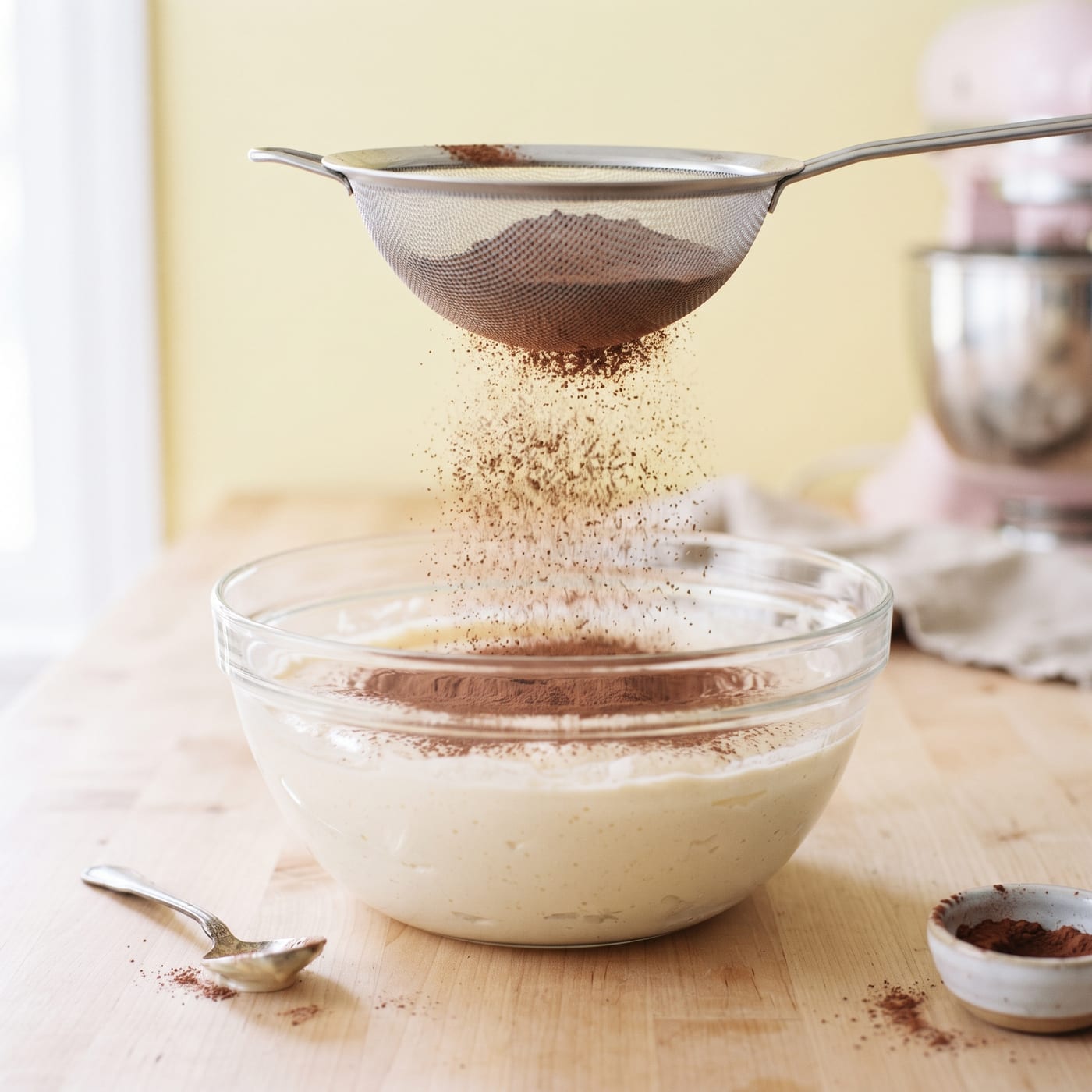
Acidity is the part bakers skip and then wonder why cupcakes sink. Baking soda needs an acid to react and rise properly, and natural cocoa provides that acid.
Dutch process cocoa has almost no acid left, so it needs baking powder instead, which already contains its own acid and base built in.
- Recipe uses baking soda only: use natural cocoa.
- Recipe uses baking powder only: use Dutch process cocoa.
- Recipe uses both: either cocoa usually works fine.
- Wrong pairing can cause flat, dense, or gummy cupcakes.
Can You Substitute One for the Other
Yes, but only if you adjust the leavening at the same time. Swapping cocoa without changing baking soda or baking powder is the most common mistake I see in home kitchens.
I tested this myself with a basic chocolate cupcake base. Swapping Dutch for natural without changing anything gave me cupcakes that barely rose and tasted slightly metallic.
- Swapping natural to Dutch: add a little extra baking powder, reduce soda.
- Swapping Dutch to natural: add a splash of buttermilk or vinegar for acid.
- Always test one batch before committing to a full recipe change.
- When in doubt, use whichever cocoa the recipe originally calls for.
How to Pick the Right Cocoa for Your Cupcake Recipe
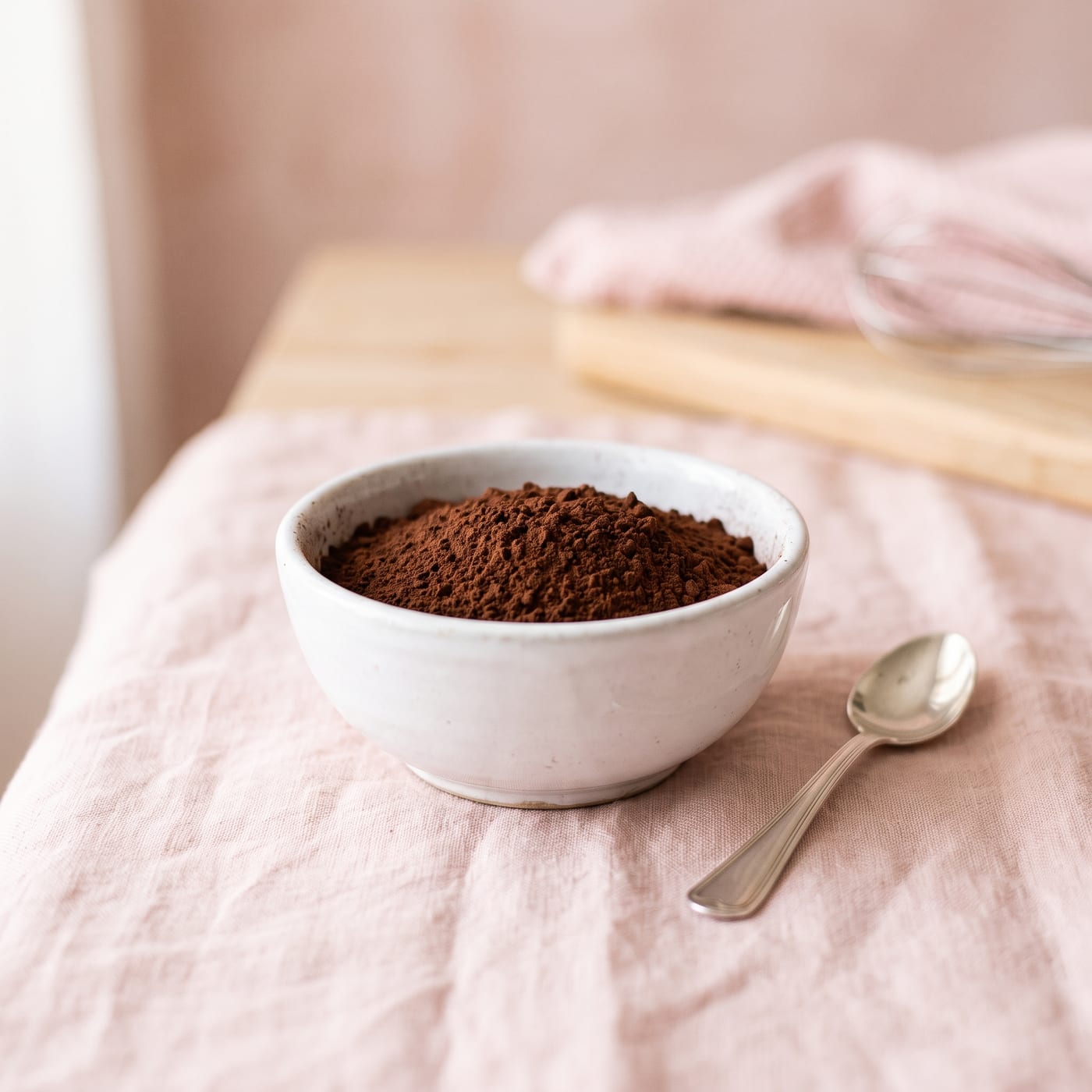
Check your leavening agent first, not the cocoa aisle. That single step tells you almost everything you need to know before you buy anything.
If the recipe stays quiet on cocoa type. Natural cocoa is the safer default since most home baking recipes were built around it historically.
- Look at the leavening: soda means natural, powder means Dutch.
- Check the recipe's origin: American recipes often default to natural.
- European style recipes often default to Dutch process.
- For deep dark chocolate cupcakes, Dutch process gives the best color.
FAQ
Can I use Dutch process cocoa in a recipe that calls for natural cocoa?
You can, but the cupcakes may not rise as well since Dutch process cocoa has almost no acid. Add a bit more baking powder or a splash of buttermilk to make up for the lost acidity.
Does Dutch process cocoa taste more bitter or less bitter than natural cocoa?
Dutch process cocoa tastes less bitter and less sharp overall. The alkalizing process softens the acidic notes, so it reads as smoother and deeper instead of tangy.
Is black cocoa the same as Dutch process cocoa?
Black cocoa is a more heavily alkalized version of Dutch process cocoa. It has an almost jet black color and very mild flavor, often used in Oreo style desserts.
Which cocoa powder is better for chocolate cupcake frosting?
Dutch process cocoa usually works best in frosting since its smoother flavor and darker color look richer against buttercream. Natural cocoa still works fine if you want a sharper chocolate taste.
Why did my cupcakes turn out dense after I switched cocoa types?
This usually happens when you swap cocoa without adjusting leavening. Natural cocoa needs baking soda's acid reaction, and Dutch process needs baking powder, so mixing them up flattens the rise.