
How to Convert Any Cupcake Recipe to Gluten-Free
By Sarah, Incr-EdibleCupCakes. Updated 2026-09-11.
Swap the wheat flour for a blend of almond flour and tapioca starch at a 3 to 1 ratio, then add one extra egg yolk or two extra tablespoons of liquid to replace the moisture and structure gluten used to provide.
| Original ingredient | Gluten-free replacement | Why it works |
|---|---|---|
| 1 cup wheat flour | 3/4 cup almond flour plus 1/4 cup tapioca starch | Tapioca adds the stretch almond flour lacks |
| No gum in recipe | 1/4 tsp xanthan gum per cup of blend | Replaces gluten's binding power |
| 1 egg | 1 egg plus 1 extra yolk | Extra fat and moisture replace lost structure |
| Bake 20 minutes | Check at 15 minutes | Almond flour browns and sets faster |
Why you can't just swap flour cup for cup
Wheat flour cupcakes hold their shape because gluten forms a stretchy web that traps air and sugar syrup while baking. Take that away and you need a different structure builder, or the cupcake collapses or turns gritty.
Almond flour brings fat and protein for tenderness, but it has no binding power on its own. Tapioca starch is the fix. It gums up when heated, mimicking some of gluten's stretch and giving the crumb enough backbone to hold a dome.
The almond and tapioca base ratio that works
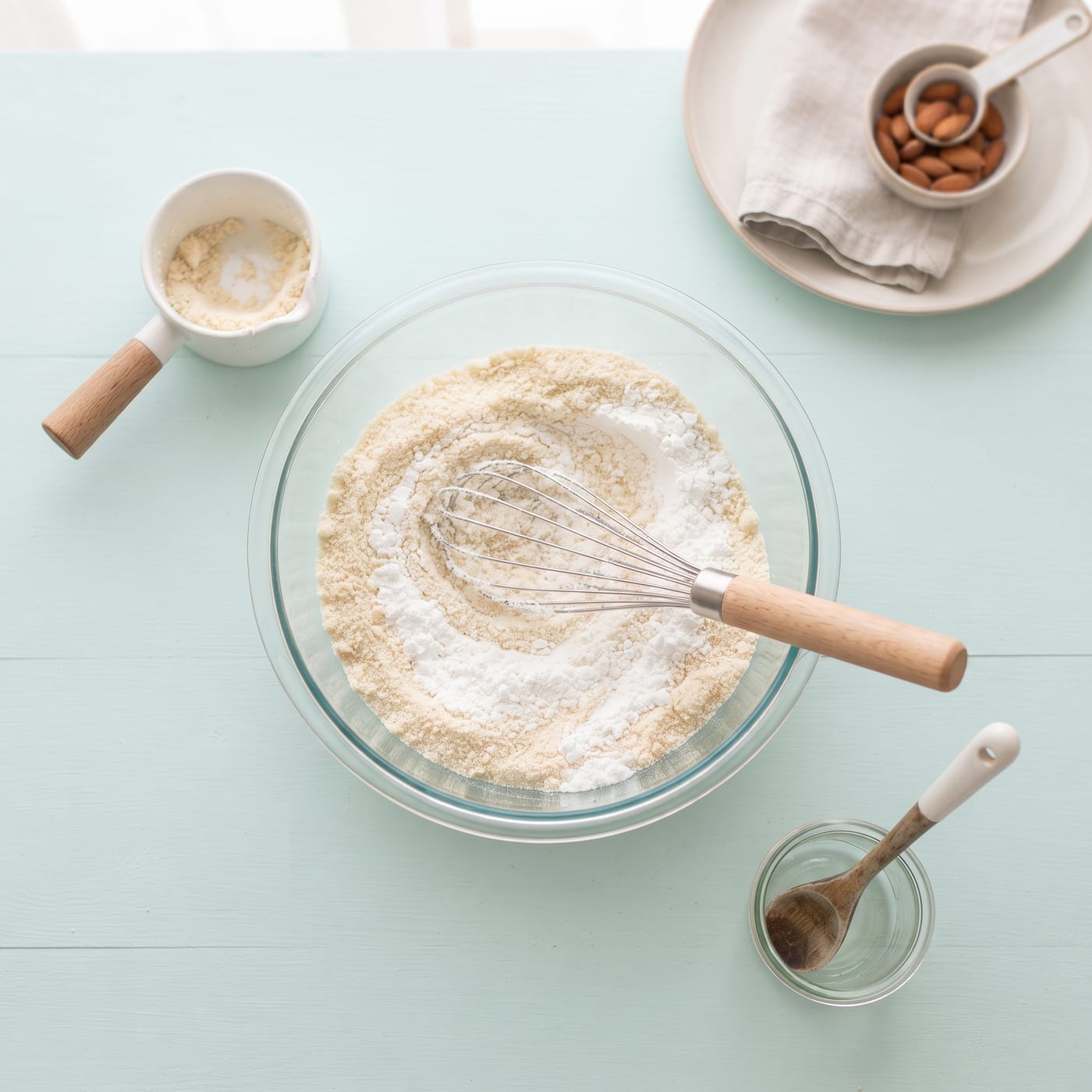
Use 3 parts almond flour to 1 part tapioca starch, measured by weight, to replace the wheat flour in any recipe. This ratio has worked in my kitchen across vanilla, chocolate, and lemon cupcakes without a recipe rebuild.
Weight matters more than cups here because almond flour and tapioca starch pack very differently. A kitchen scale keeps the ratio accurate every single time, even when you switch brands.
- 100g original flour becomes 75g almond flour plus 25g tapioca starch.
- Always sift tapioca starch first, it clumps more than wheat flour.
- Blend the two dry before adding to wet ingredients, don't add separately.
Fixing the moisture gluten used to hold
Gluten-free batters need extra liquid or fat because almond flour absorbs moisture differently than wheat flour. Add one extra egg yolk, or two extra tablespoons of milk or oil, for every cup of flour blend you use.
Skip this step and you'll get a cupcake that looks fine warm but turns dry and crumbly by the next day. I learned this the hard way testing a carrot cupcake batch that was inedible by hour twelve.
- Extra egg yolk: best for richer batters like chocolate or spice.
- Extra oil: best for delicate flavors like vanilla or lemon.
- Extra buttermilk: best when the original recipe already used dairy.
When you need xanthan gum, and when you don't
Add 1/4 teaspoon of xanthan gum per cup of almond and tapioca blend if your recipe doesn't already include a gum or a pre-made gluten-free flour mix. Xanthan gum replaces the stretch gluten normally provides, keeping the batter from crumbling apart.
Skip it if you're using a store-bought gluten-free flour blend, since most already contain xanthan or guar gum. Adding more on top makes the crumb gummy and dense instead of light.
Baking time and temperature adjustments
Bake gluten-free cupcakes 5 minutes shorter than the original recipe and start checking at that lower mark. Almond flour browns faster than wheat flour, so a cupcake that looks done on top may still be perfect inside.
Keep the oven temperature the same as the original recipe, usually 350°F. Changing temperature on top of changing flour adds too many variables to troubleshoot at once.
- Test doneness with a toothpick at the shorter time first.
- Tent with foil if tops brown before the center sets.
- Rotate the pan halfway through for even color.
Cooling, storing, and frosting gluten-free cupcakes
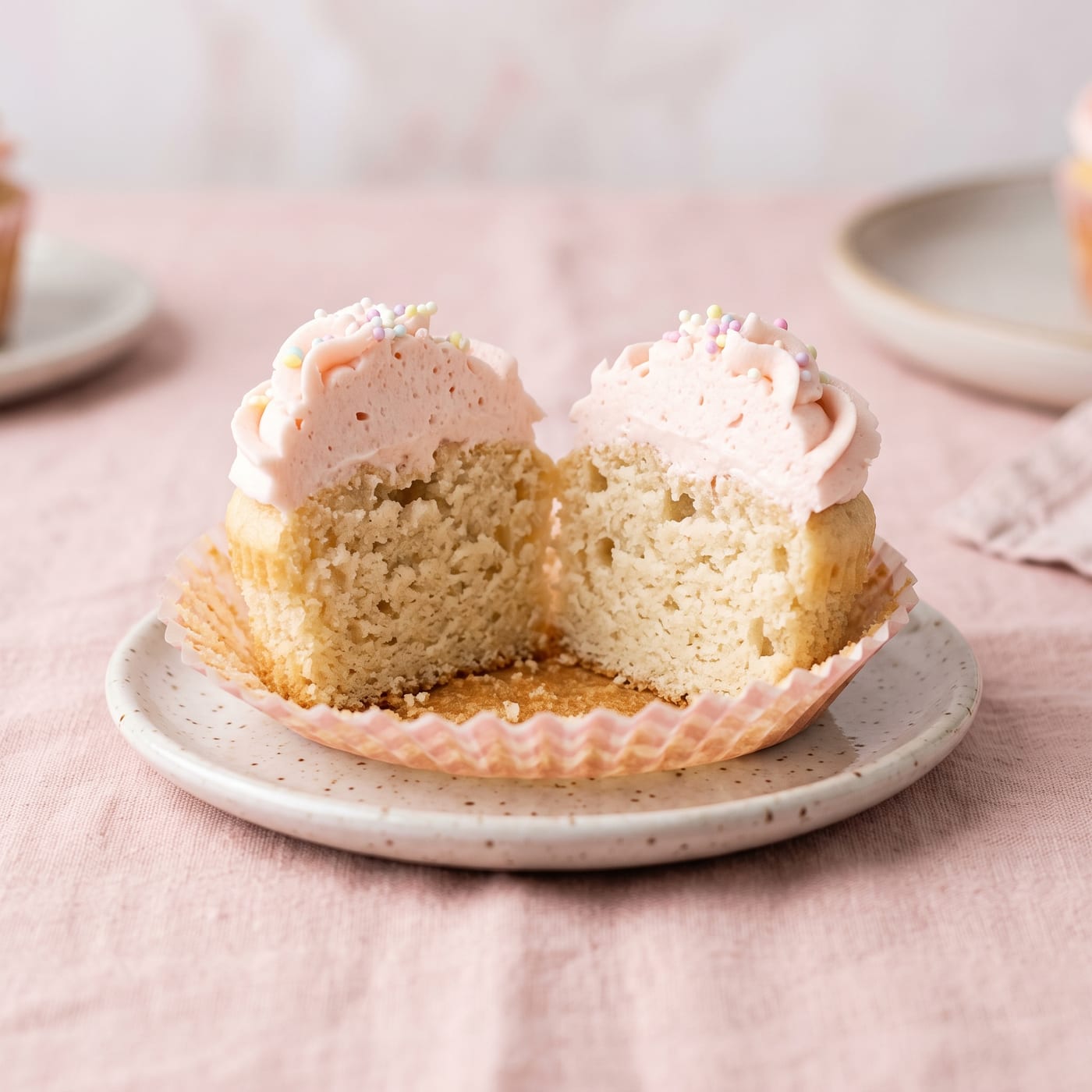
Let gluten-free cupcakes cool completely in the pan before moving them, since the crumb is more fragile without gluten's structure. Rushing this step is the number one reason home bakers end up with broken tops.
Store baked cupcakes in an airtight container as soon as they're cool, because almond flour crumb dries out faster than wheat. Frost close to serving time for the best texture, and eat within two days for peak moisture.
FAQ
Can I use a store-bought gluten-free flour blend instead of almond and tapioca?
Yes, most cup-for-cup blends work as a direct swap. Skip the added xanthan gum since these blends usually already contain it, and still add the extra egg yolk or liquid for moisture.
Why did my gluten-free cupcakes sink in the middle?
Sinking usually means too much liquid or an underbaked center. Cut back the extra liquid by half and bake two minutes longer next time, checking with a toothpick.
Do I need to change the sugar or leavening when converting a recipe?
No, sugar and leavening amounts stay the same as the original recipe. Only the flour, moisture, and bake time need adjusting for a gluten-free version.
Can I convert a chocolate cupcake recipe the same way as vanilla?
Yes, the same almond and tapioca ratio works for chocolate batters. Cocoa powder already adds some structure, so chocolate cupcakes often need slightly less xanthan gum than lighter flavors.