
How to Cream Butter and Sugar Properly
By Sarah, Incr-EdibleCupCakes. Updated 2026-08-07.
Creaming butter and sugar properly means beating them together for 3 to 5 minutes until the mix turns pale. Fluffy, and almost doubles in size. That air you beat in is what gives cupcakes their soft, light crumb.
| Butter Condition | What It Looks Like | Result in Cupcakes |
|---|---|---|
| Too cold | Grainy, chunky, resists mixing | Dense, uneven crumb |
| Just right, 65 to 68°F | Soft, holds a fingerprint | Light, fluffy crumb |
| Too warm or melted | Shiny, oily, loose | Flat, greasy cupcakes |
What Does Creaming Butter and Sugar Actually Do
Creaming butter and sugar traps tiny air pockets inside the fat, and those pockets expand in the oven to lift your cupcakes. This is the main way a cupcake gets its light crumb without using extra baking powder.
When sugar crystals cut into soft butter, they leave tiny air tunnels behind. Those tunnels fill with steam and carbon dioxide during baking, so your batter puffs up instead of staying dense.
Why Butter Temperature Matters So Much
Butter creams best at 65 to 68°F, which is soft enough to press a dent into with your finger but still holds its shape. Too cold and the sugar cannot cut in properly, so you get lumps and poor aeration.
Too warm and the butter turns greasy, which means the fat coats the sugar instead of trapping air around it. I always pull my butter out 30 to 45 minutes before baking, never longer, since a warm kitchen speeds things up fast.
- Too cold butter: grainy, chunky mix that will not fluff up.
- Ideal butter: soft, holds a fingerprint, slightly cool.
- Too warm butter: shiny, oily look with flat texture.
The Visual and Textural Cues to Watch For
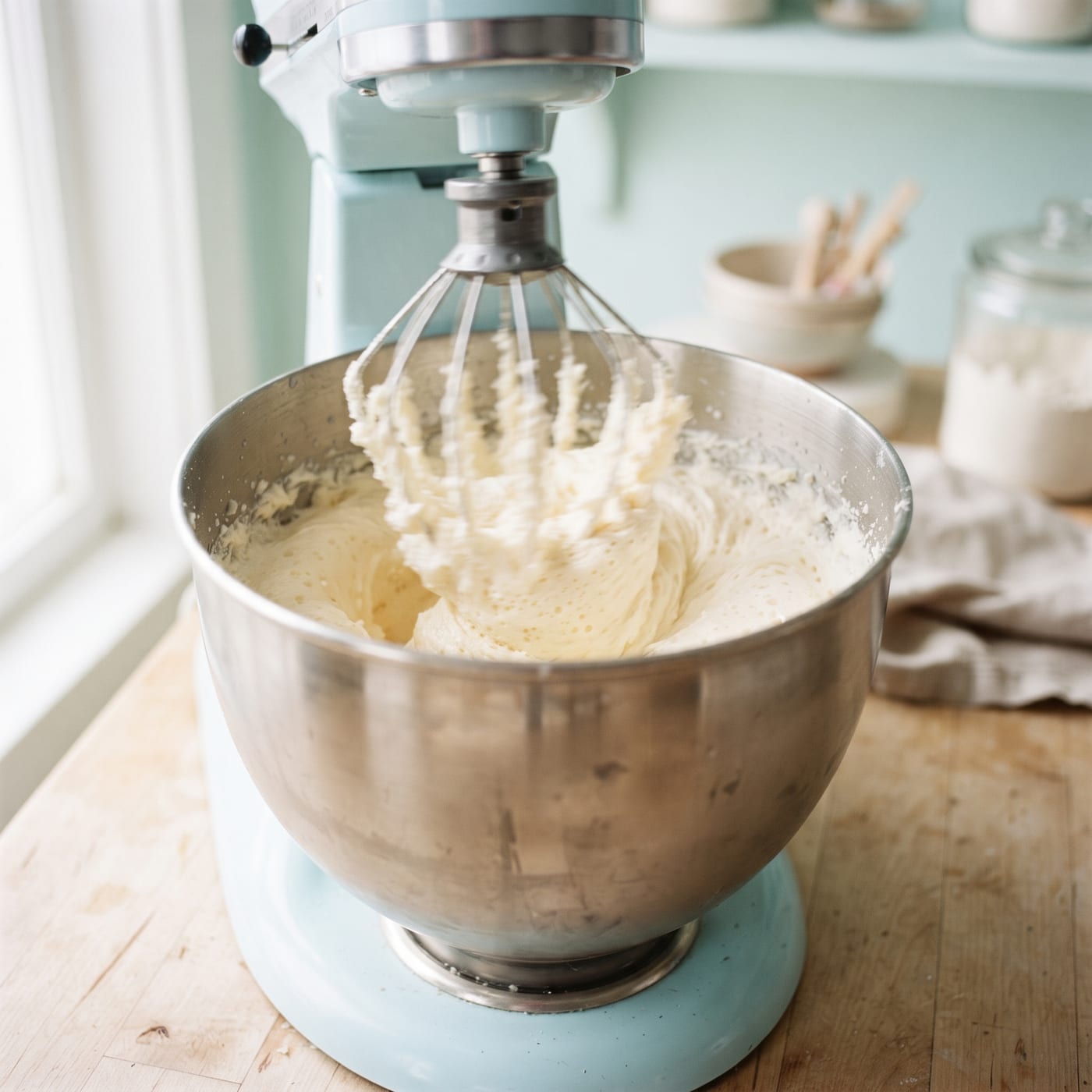
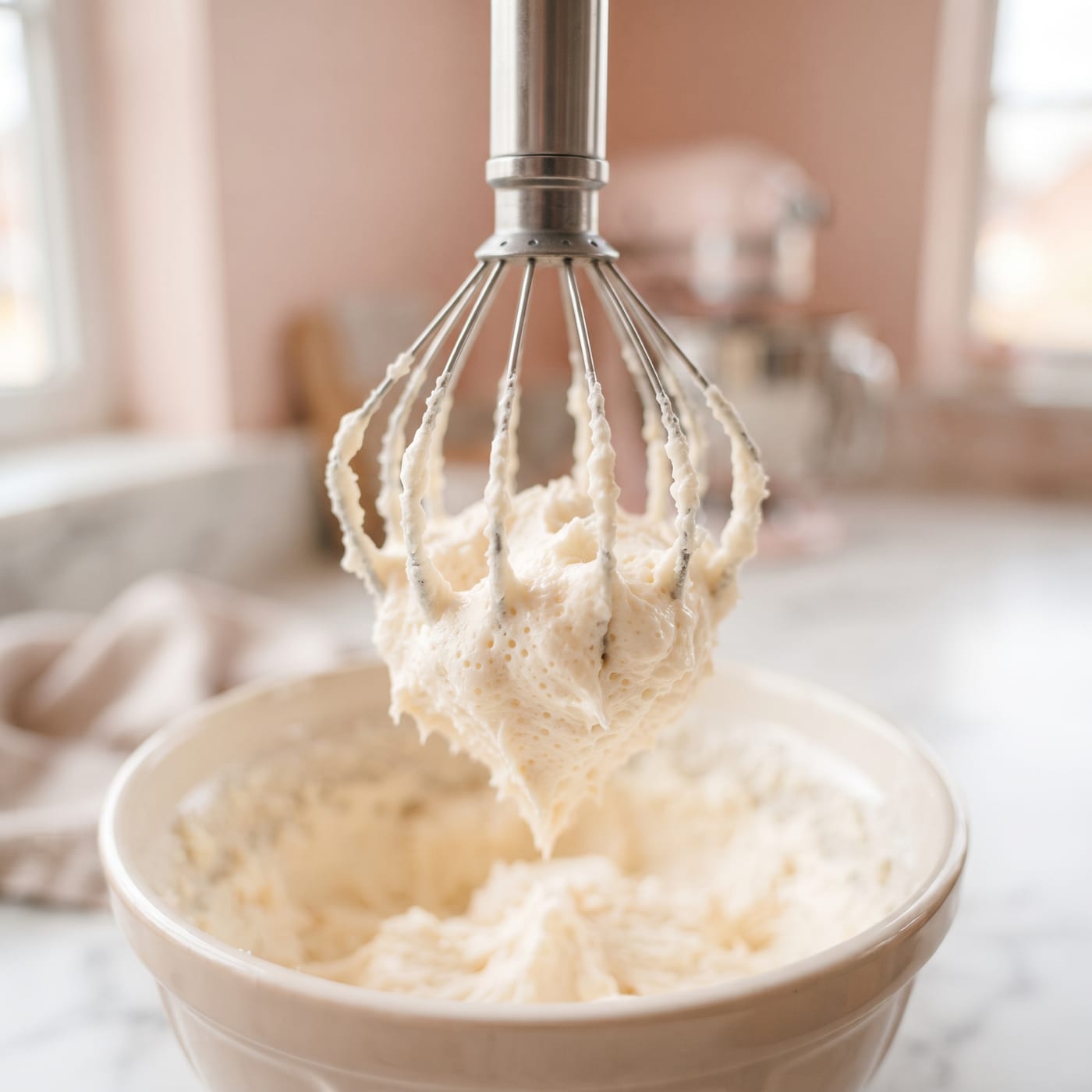
Properly creamed butter and sugar looks pale yellow, almost white, and feels light and fluffy like whipped frosting. The color change happens because air bubbles scatter light differently than solid butter does.
You will also notice the mix nearly doubles in volume and clings to the beaters instead of pooling at the bottom of the bowl. If it still looks yellow and dense after 5 minutes, your butter was likely too cold to start.
- Color shifts from deep yellow to pale, almost white.
- Texture turns light, fluffy, and smooth, not grainy.
- Volume increases noticeably, close to doubling.
- Mix holds soft peaks briefly when you lift the beater.
Step by Step: How Long and How Fast to Mix
Cream on medium speed for 3 to 5 minutes, scraping the bowl every minute so nothing hides unmixed at the bottom. High speed feels faster, but it actually breaks air bubbles instead of building them.
I set a timer instead of guessing, since 3 minutes always feels longer than it is. Watch the texture change closely around the 2 minute mark, that is usually when it turns from crumbly to smooth and pale.
Common Mistakes That Ruin the Aeration
The most common mistake is rushing the process because the butter and sugar look combined after just 30 seconds. Combined is not the same as creamed, and that difference shows up as dense, flat cupcakes.
Another mistake is adding eggs too fast, which deflates the air you just worked to build. Add eggs one at a time, beating just until each one disappears into the mix before adding the next.
- Rushing the timer and stopping too early.
- Using melted or cold butter instead of soft butter.
- Mixing on high speed, which pops air bubbles.
- Adding eggs all at once, which deflates the batter.
- Skipping bowl scrapes, leaving unmixed butter at the bottom.
Fixing an Over Creamed or Under Creamed Batter
If your mix looks greasy, curdled, or separated. It is over creamed and the fat has broken down past the point of holding air. Chill the bowl for 5 minutes and beat in a spoonful of flour from your recipe to bring it back together.
If it still looks dense and yellow after 5 minutes, it is under creamed, usually because the butter was too cold. Let it sit at room temperature for a few more minutes, then beat again in short bursts.
FAQ
How do I know if I have creamed butter and sugar long enough?
The mix should look pale, almost white, and feel light and fluffy, close to doubling in size. If it still looks yellow and dense after 5 minutes, keep beating in short bursts.
Can I cream butter and sugar by hand without a mixer?
Yes, but it takes longer, usually 8 to 10 minutes of steady beating with a wooden spoon or whisk. Soften the butter a bit more than usual since hand mixing has less power to break it down.
What happens if I use melted butter instead of soft butter?
Melted butter cannot trap air the way soft solid butter can, so your cupcakes will bake flat and dense. Always use butter that is soft but still holds its shape.
Why did my batter curdle after adding eggs?
Curdling usually means the eggs were too cold or added too fast for the butter mix to absorb. Bring eggs to room temperature and add them one at a time, beating well between each addition.
Does the type of sugar change how well butter creams?
Granulated sugar creams best because its sharp crystals cut into the butter and create tiny air pockets. Powdered sugar is too fine and brown sugar is too moist, so both trap less air.