
How to Make Cupcakes Kid Allergen-Safe for School
By Sarah, Incr-EdibleCupCakes. Updated 2026-09-14.
Make cupcakes kid allergen-safe for school by using peanut-free and nut-free ingredients, skipping artificial dyes, checking labels for cross-contact warnings, and packing them in a sealed, labeled container.
| Ingredient | Common Risk | Safer Swap |
|---|---|---|
| Peanut butter | Direct peanut allergen | Sunflower seed butter |
| Almond extract | Tree nut cross-contact | Pure vanilla extract |
| Red 40 food dye | Artificial dye sensitivity | Beet powder |
| Chocolate chips | May contain tree nuts | Nut-free certified chips |
Why Allergen-Safe Cupcakes Matter for School
Allergen-safe cupcakes matter because schools often have strict rules about peanuts, tree nuts, and artificial dyes in shared treats. One mislabeled ingredient can trigger a reaction that ruins a party and scares a classroom.
I learned this firsthand when a friend's son had a mild reaction to a store-bought cupcake with hidden almond extract. Since then, I always double-check labels and keep a separate baking zone for allergy-friendly batches.
Choosing Peanut-Free and Nut-Free Ingredients
Peanut-free and nut-free cupcakes start with checking every ingredient, not just the obvious ones. Many chocolate chips, sprinkles, and even vanilla extract are processed in facilities that also handle nuts.
Look for a 'may contain tree nuts' warning on the package. If you see it, choose a different brand even if the ingredient itself has no nuts listed.
- Use sunflower seed butter instead of peanut butter for flavor.
- Buy chocolate chips labeled nut-free, not just dairy-free.
- Avoid almond extract, replace with pure vanilla extract.
- Check sprinkles and decorations for cross-contact warnings.
Skipping Artificial Dyes Without Losing Color
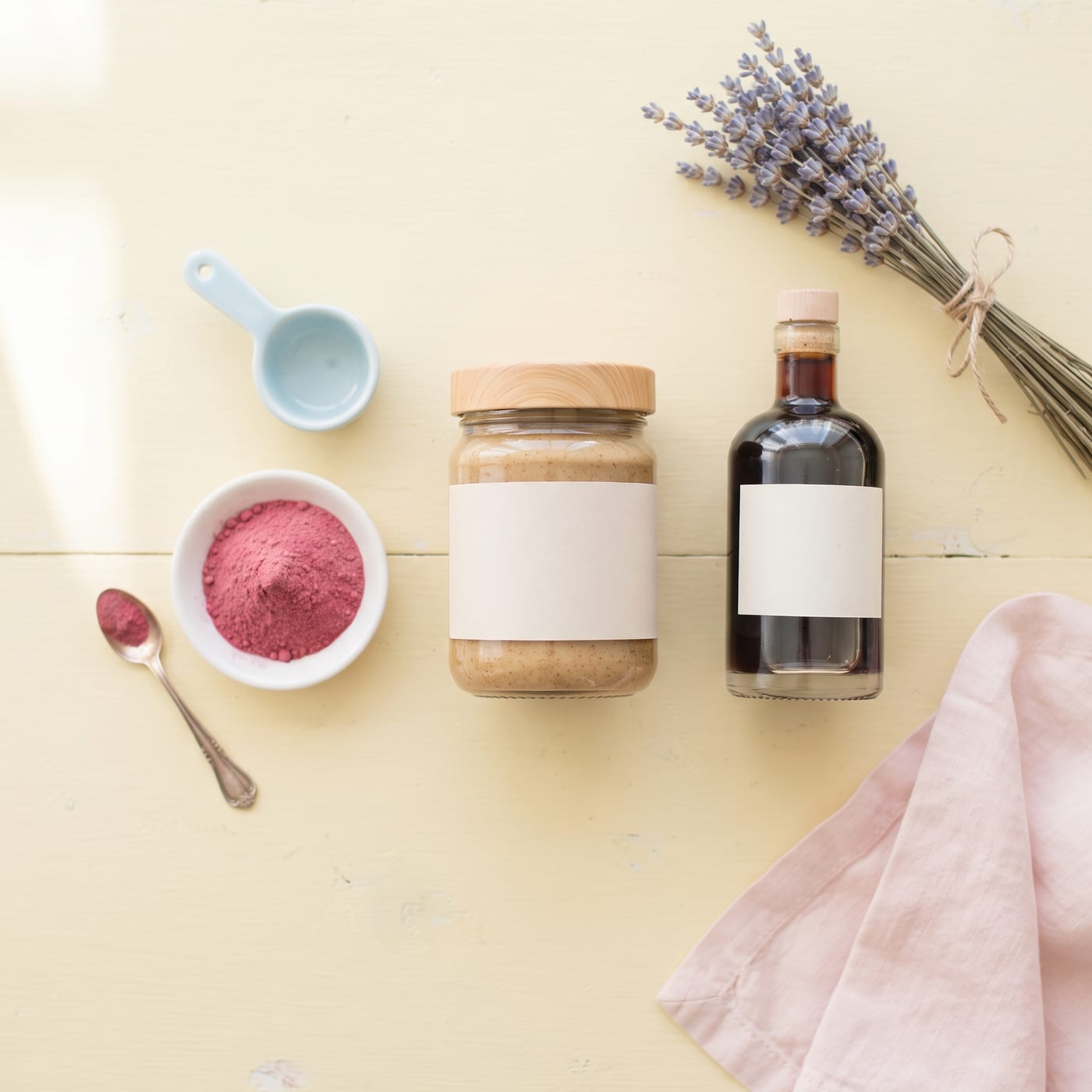
You can skip artificial dyes and still get bright, kid-friendly colors using natural powders. Beet powder gives a soft pink, matcha gives green, and turmeric gives a warm yellow.
These natural options also tend to be gentler on kids sensitive to Red 40 or Yellow 5, which some schools now restrict. Start with a small amount, about half a teaspoon, then add more until you reach the shade you want.
- Beet powder for pink or red frosting.
- Matcha powder for green frosting.
- Turmeric for yellow, use sparingly to avoid a bitter taste.
- Butterfly pea powder for a natural blue or purple shade.
Setting Up a Cross-Contact-Free Kitchen
A cross-contact-free kitchen means cleaning surfaces and tools before you start, not just washing bowls after the last batch. Nut proteins can linger on cutting boards, mixers, and even oven mitts.
If your kitchen regularly has nuts in it, bake the allergy-safe batch first, before any other baking that day. Wipe down counters with soap and water, since nut proteins do not always rinse off with water alone.
- Wash mixing bowls and beaters with soap, not just a rinse.
- Use a fresh cutting board and clean piping tips.
- Store allergy-safe ingredients in a separate pantry shelf.
- Label your nut-free flour and sugar containers clearly.
Storing and Transporting Cupcakes Safely
Store and transport school cupcakes in a sealed, labeled container to protect against both allergens and spoilage. Cupcakes left uncovered can pick up crumbs or dust from other snacks in a shared classroom space.
Cool cupcakes completely on a wire rack before sealing them. Warm cupcakes trap steam inside a container, which makes frosting slide and the cake turn soggy by lunchtime.
- Use a hard plastic container with a tight lid.
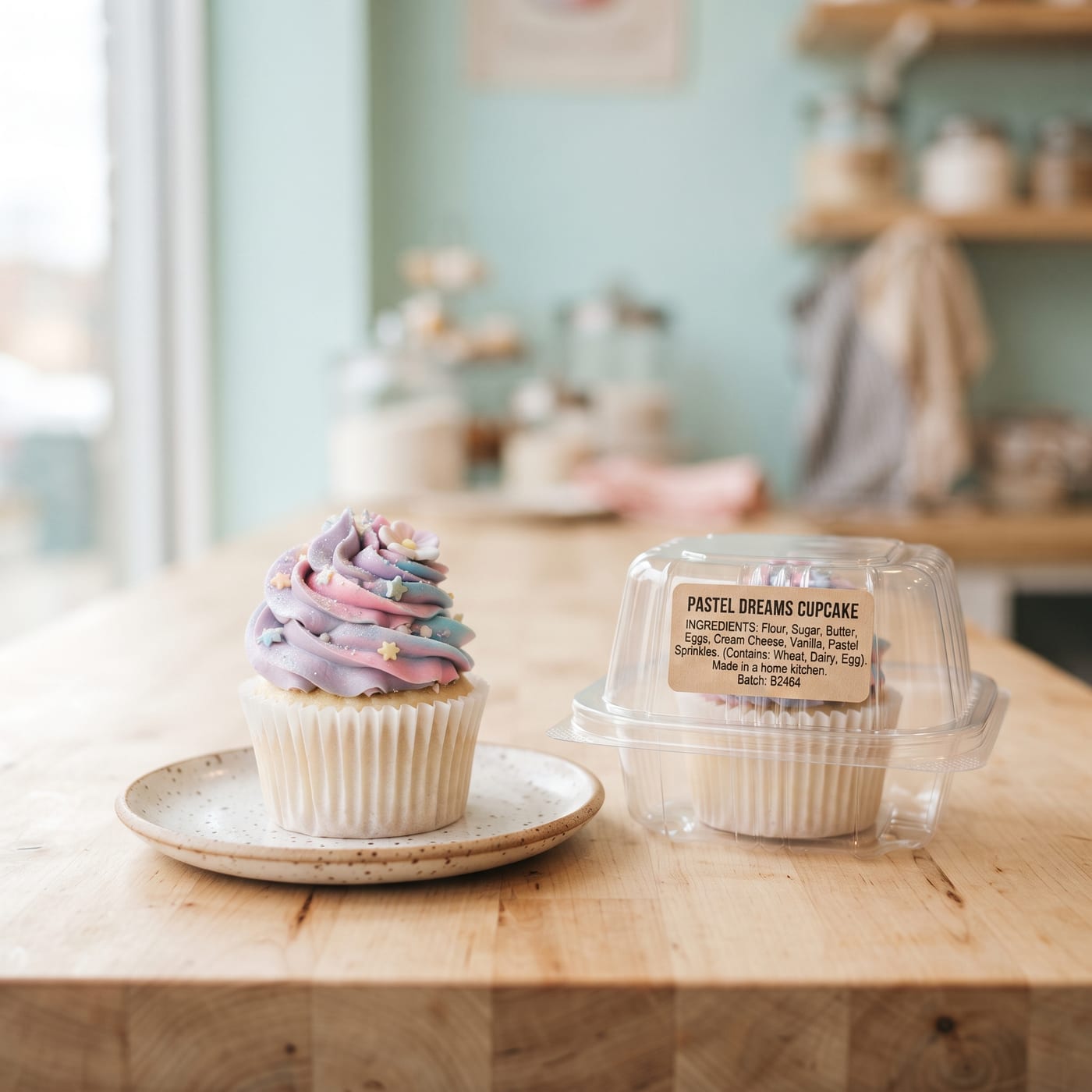
- Add a label listing all ingredients and allergens avoided.
- Keep cupcakes at room temperature for up to two days.
- Refrigerate if the classroom is warm, but bring to room temp before serving.
Communicating with Teachers and Parents
Clear communication with teachers means sending a full ingredient list along with the cupcakes, not just a verbal note. Teachers manage many allergy profiles at once and need something they can check quickly.
I write a short card taped to the container lid: baker's name, date baked, and every ingredient used. This small step builds trust and saves the teacher from guessing.
- Tape an ingredient card to the container lid.
- Include your name and phone number for questions.
- Ask the teacher about the classroom's specific allergy list.
- Confirm dye-free and nut-free status in writing, not just verbally.
FAQ
Can I still use chocolate chips if they are made in a facility with nuts?
Skip them if the label says 'may contain tree nuts. ' Choose a brand that specifically states it is produced in a nut-free facility instead.
What natural dye works best for bright red frosting?
Beet powder gives a soft pink, not a true bright red. For a stronger red, try a small amount of concentrated beet juice reduced on the stove first.
How long can allergen-safe cupcakes sit out at school?
They are fine at room temperature for up to two days if sealed. In a warm classroom, ask the teacher to store them in a fridge until snack time.
Do I need a completely separate kitchen for nut-free baking?
No, but you do need a clean, dedicated prep session. Wash all tools and surfaces with soap before starting, and bake the allergy-safe batch first.
Is oat flour a safe substitute if a child also avoids gluten and nuts?
Yes, as long as the oat flour is labeled gluten-free and processed in a facility without nuts. Always check both warnings on the same label.