
How to Use Extracts and Flavor Essences
By Sarah, Incr-EdibleCupCakes. Updated 2026-09-10.
Use pure extracts at 1/2 to 1 teaspoon per cup of batter, add citrus zest for brightness, and always add almond extract in small drops since it is much stronger than vanilla.
| Extract Type | Amount per Cup of Batter | Best Use |
|---|---|---|
| Vanilla extract | 1 to 2 tsp | Base flavor for almost any cupcake |
| Almond extract | 1/4 to 1/2 tsp | Supporting note with cherry, vanilla, or raspberry |
| Citrus zest | 1 tbsp per dozen | Fresh, mild citrus flavor that holds up in the oven |
| Citrus oil or extract | 1/4 tsp | Strong, stable citrus flavor, best paired with zest |
What Extracts and Essences Actually Do
Extracts and essences add concentrated flavor without changing the texture of your batter. They are alcohol or oil based solutions carrying flavor compounds pulled from real ingredients like vanilla beans, almonds, or citrus peel.
Because they are so concentrated, small amounts go a long way. Overdo it and your cupcakes taste bitter, boozy, or like cough syrup instead of dessert.
- Pure extract: made from real ingredients steeped in alcohol.
- Imitation extract: made from lab created flavor compounds.
- Essential oil or flavor oil: extremely strong, oil based, no alcohol.
Vanilla: The Base Layer of Every Cupcake
Vanilla extract is the flavor most cupcakes lean on, and 1 to 2 teaspoons per cup of batter is the sweet spot. I tested this in my own kitchen and found anything past 2 teaspoons starts to taste alcoholic once baked.
Pure vanilla extract tastes rounder and warmer than imitation, which can taste flat or slightly bitter after baking. If you bake often, buy pure extract in bulk, it costs less per batch over time and the flavor difference is noticeable.
- Yellow cake or vanilla frosting: 2 tsp per cup of batter.
- Chocolate cake: 1 tsp is enough, it just supports the cocoa.
- Frosting: 1/2 to 1 tsp per cup of powdered sugar
Almond Extract: A Little Goes a Very Long Way
Almond extract is roughly three times stronger than vanilla, so start with 1/4 teaspoon per cup of batter. It pairs beautifully with vanilla, cherry, or raspberry, but too much makes cupcakes taste like marzipan or medicine.
I once doubled almond extract in a wedding test batch and had to toss the whole tray. Now I measure it with the smallest spoon in my drawer and never eyeball it.
- Vanilla and almond combo: 1 tsp vanilla plus 1/4 tsp almond
- Cherry almond cupcakes: 1/4 tsp almond keeps the cherry front and center
- Never exceed 1/2 tsp per cup of batter, even in a strong flavored cake
Citrus: Balancing Zest, Juice, and Extract
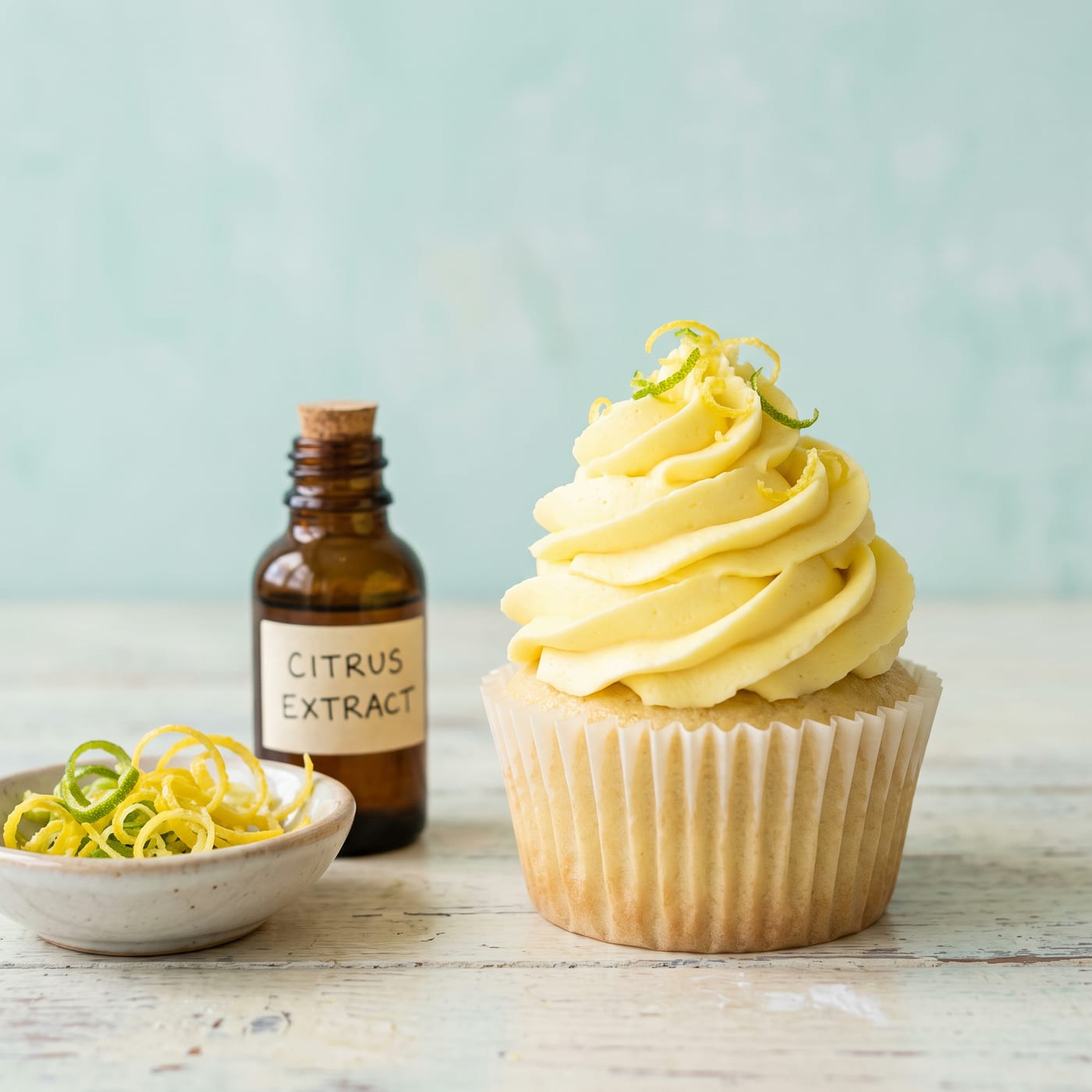
Citrus flavor comes from three sources: zest, juice, and extract or oil, and each behaves differently in a cupcake. Zest gives the truest fresh flavor because it holds the fruit's essential oils, while juice adds moisture but weaker flavor since baking cooks off some brightness.
Citrus extract or oil is the most concentrated and works best combined with zest rather than alone. Use 1 tablespoon of zest per dozen cupcakes plus 1/4 teaspoon of citrus oil for a flavor that stays strong after baking.
- Zest only: mild, fresh, but fades in the oven.
- Zest plus juice: brighter but adds extra liquid to batter.
- Zest plus citrus oil or extract: strongest, most stable flavor.
Layering Extracts Without Muddying the Flavor
Layer no more than two extracts per recipe, or the flavors compete instead of blending. A good rule: pick one main flavor and use a second extract only as a supporting note in a smaller amount.
Vanilla works as a supporting note for almost anything, from almond to citrus to spice cakes. Almond and citrus rarely pair well together, since almond's bitterness clashes with citrus acidity.
- Main flavor: the extract you taste first, use the full amount.
- Supporting flavor: half the amount of the main flavor, or less.
- Avoid mixing almond with citrus, they fight each other.
Common Mistakes That Ruin Extract Flavor
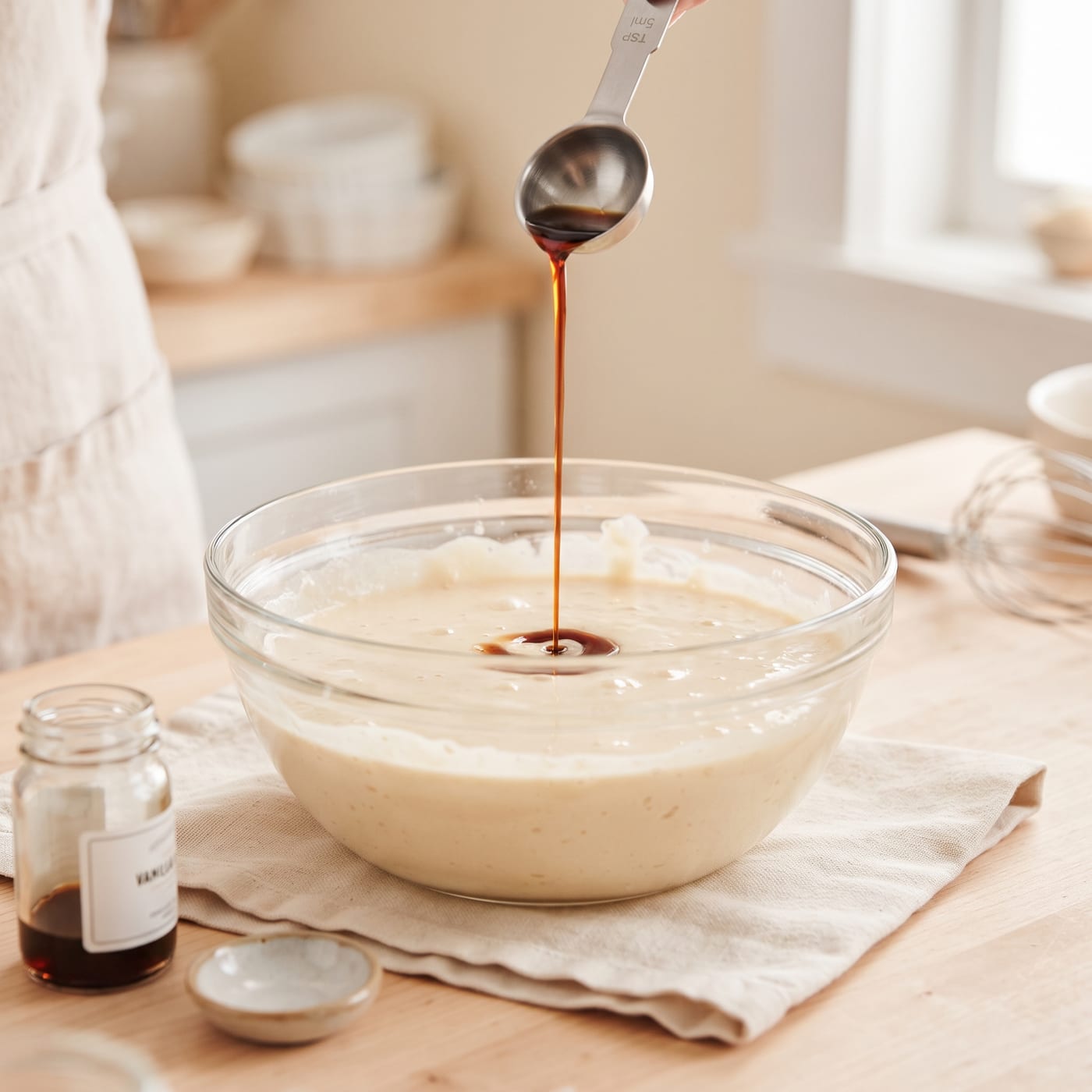
The biggest mistake is adding extract to dry ingredients instead of wet ones. Extracts need liquid to disperse evenly, or you get flavor pockets in some bites and none in others.
The second mistake is measuring by eye instead of with a proper measuring spoon. A teaspoon that is really a tablespoon can turn a delicate almond cupcake into an inedible one.
- Always mix extract into wet ingredients like eggs or milk.
- Use real measuring spoons, not a random kitchen spoon.
- Taste the raw batter before baking to catch overpowering flavor early.
- Store extracts in a cool, dark cabinet, heat and light weaken flavor over time.
FAQ
Can I substitute imitation extract for pure extract in cupcakes?
Yes, but expect a flatter, slightly bitter flavor after baking. Pure extract holds up better to oven heat and tastes rounder in the finished cupcake.
Why does my almond extract taste bitter after baking?
You likely used too much. Almond extract is very concentrated, so stick to 1/4 teaspoon per cup of batter and never go past 1/2 teaspoon.
How do I make citrus cupcakes taste strong instead of weak?
Use fresh zest plus a small amount of citrus oil or extract, not juice alone. Juice adds moisture but the flavor fades in the oven, while zest and oil hold up better.
Can I mix vanilla and almond extract in the same batter?
Yes, this is a classic combination. Use about 1 teaspoon of vanilla with 1/4 teaspoon of almond per cup of batter for a balanced result.
Does baking destroy extract flavor?
Heat does weaken extract flavor somewhat, especially alcohol based ones. That is why frosting, which is not baked, needs less extract than the cake batter itself.