
Types of Milk and Milk Alternatives for Cupcakes
By Sarah, Incr-EdibleCupCakes. Updated 2026-09-07.
Whole milk gives cupcakes the richest, most tender crumb, but oat, soy, and coconut milk each swap in well if you match their fat content and adjust liquid slightly.
| Milk Type | Fat Level | Best For | Swap Ratio |
|---|---|---|---|
| Whole dairy milk | High | Any recipe, default choice | 1:1 baseline |
| Oat milk (full fat) | Medium high | Vanilla, spice, chocolate | 1:1 |
| Soy milk | Medium | Structure, heavy frosting cupcakes | 1:1 |
| Coconut milk, canned | Very high | Chocolate, tropical flavors | Thin 3:1 with water |
| Almond milk | Low | Light, simple recipes | 1:1 plus 1 tbsp oil |
Why Milk Type Changes Your Cupcake
Milk affects cupcakes through fat, protein, and sugar content, not just liquid volume. Fat coats flour proteins and slows gluten formation, which keeps crumb tender.
Protein helps set structure as the batter bakes, so low protein milks can leave cupcakes fragile. I tested five milks in the same vanilla batter and the differences showed up fast, in both rise and moistness.
- Fat content: controls tenderness and richness.
- Protein: supports structure and browning.
- Sugar: affects sweetness and how fast tops brown.
- Water content: changes how thin or thick your batter is.
Dairy Milk: Whole, 2%, and Skim
Whole milk is the standard for most cupcake recipes because its 3. 5% fat gives the best balance of moisture and structure. Lower fat milks work, but they trade some richness for a slightly drier crumb.
I have baked the same batch with whole and skim milk side by side. The skim version rose fine but tasted flatter and dried out a day sooner.
- Whole milk: best default, richest crumb.
- 2% milk: close substitute, minor loss of moisture.
- Skim milk: add 1 tablespoon extra liquid per cup used.
- Buttermilk: adds tang and extra tenderness from acidity.
Oat Milk: The Closest Plant Based Match
Oat milk swaps into most cupcake recipes at a 1:1 ratio with good results. Its natural starch mimics some of the body that dairy fat provides, so crumb stays soft.
The flavor is mild and slightly sweet, which works well in vanilla, spice, and chocolate cupcakes. Choose the barista or full fat version, not the thin original, for the closest texture match to whole milk.
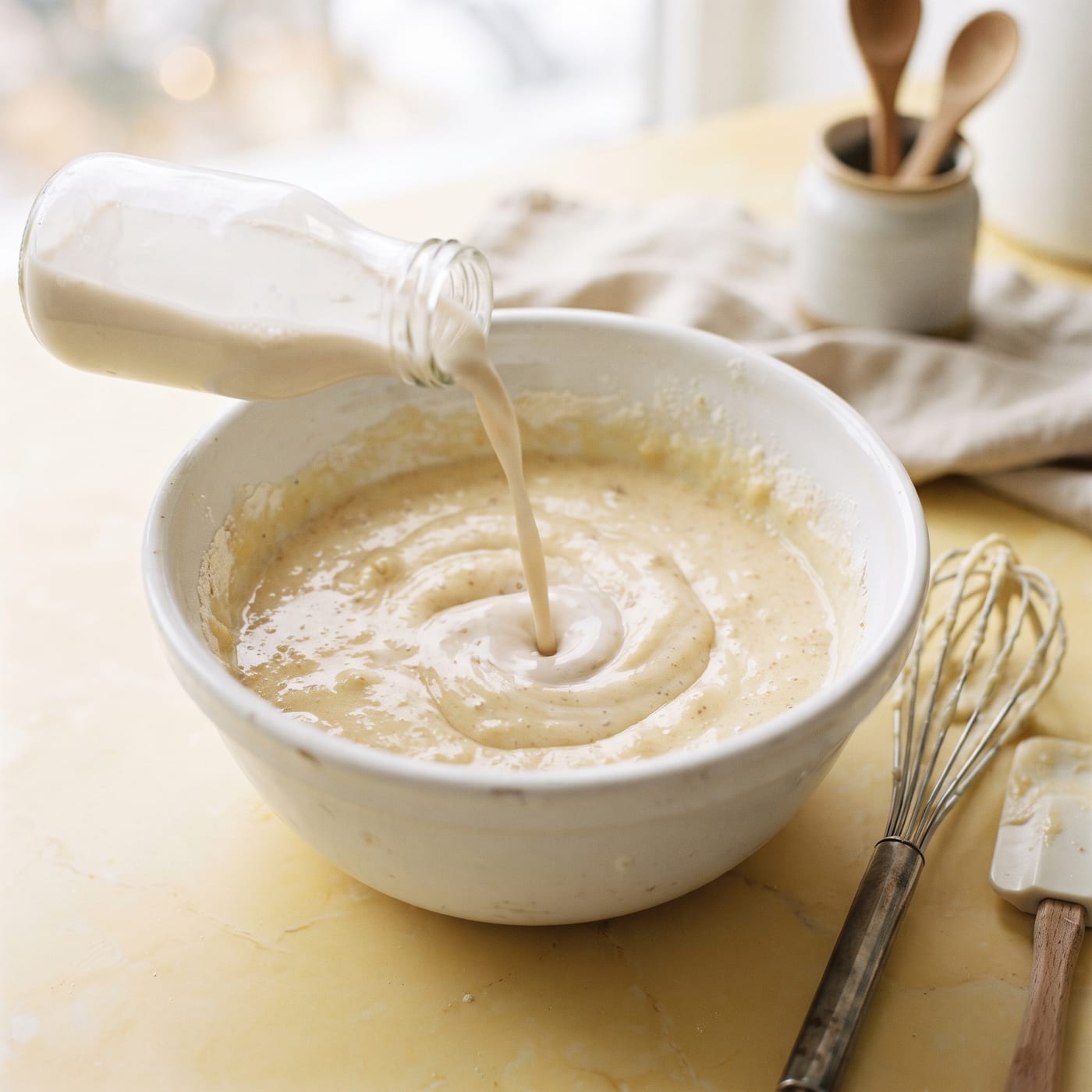
Soy Milk: Best for Protein and Structure
Soy milk has the highest protein of the common alternatives, which makes it the best plant based pick for structure. Cupcakes hold their shape well and dome evenly.
Flavor is neutral in unsweetened versions, so it will not compete with vanilla or fruit flavors. I use soy milk when a recipe needs a firmer crumb, like a cupcake meant to hold heavy frosting.
Coconut Milk: Rich but Needs Balancing
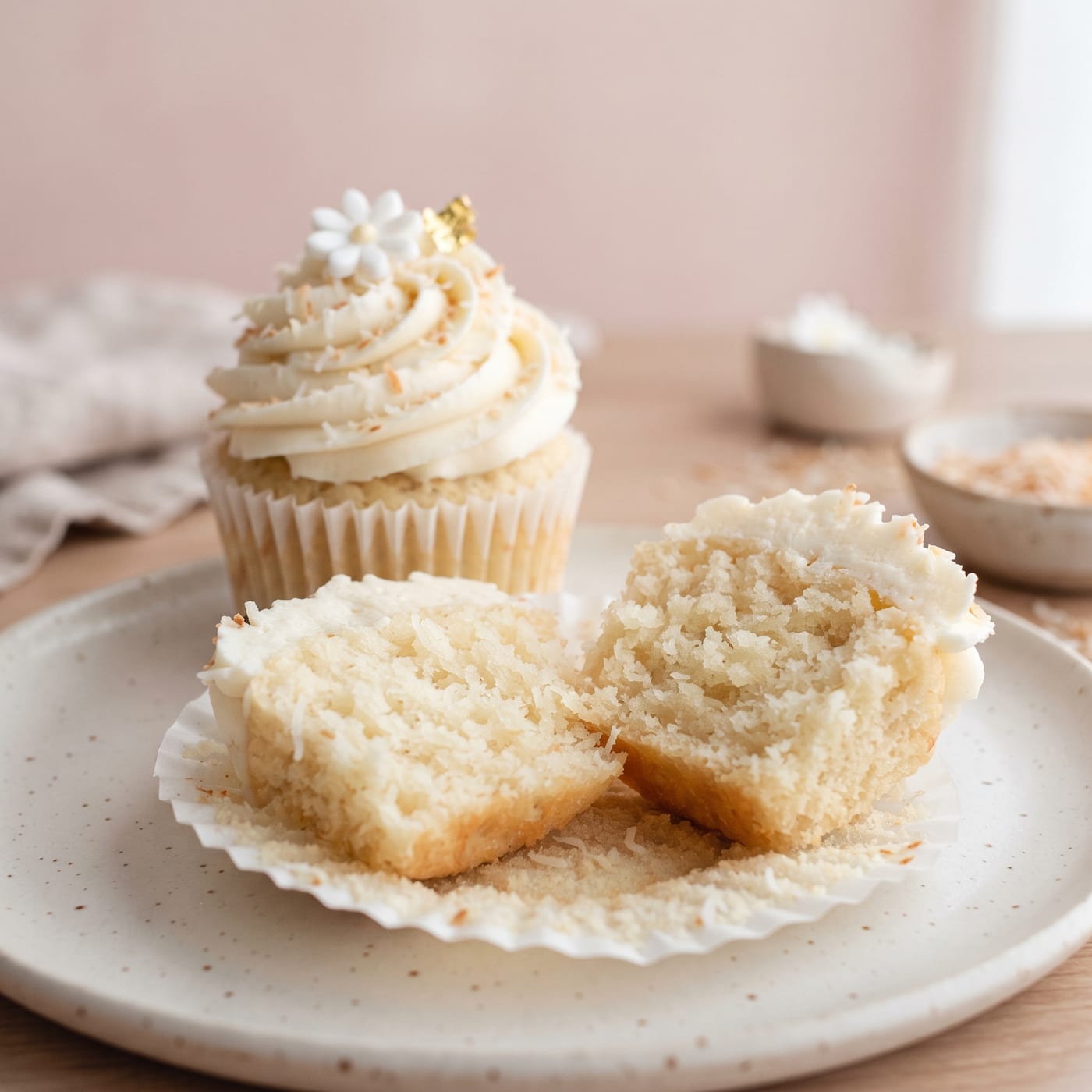
Full fat coconut milk from a can adds real richness, similar to using part cream in your batter. It also brings a mild coconut flavor that pairs best with tropical or chocolate recipes.
Because canned coconut milk is thicker than dairy milk, thin it with water at a 3:1 ratio before measuring. Carton coconut milk (the drink, not the can) is thinner and swaps closer to 1:1 with regular milk.
- Canned, full fat: rich, thin with water first.
- Carton, unsweetened: thinner, swaps closer to 1:1.
- Best paired with: chocolate, lime, or tropical flavors.
- Watch for: excess oil separating on top of baked cupcakes.
Almond Milk and Other Thin Alternatives
Almond milk is thinner and lower in fat than dairy milk, so cupcakes can turn out slightly dry and pale on top. It works fine in a pinch, but I always add one extra tablespoon of oil per cup used.
Rice milk and cashew milk behave similarly, thin and mild, with almost no structural support. Save these for simple recipes where a slightly lighter crumb is not a problem.
FAQ
Can I use any milk alternative in a regular cupcake recipe?
Yes, most oat, soy, and almond milks swap in at a 1:1 ratio. Coconut milk needs thinning first, and drier alternatives may need an extra tablespoon of liquid.
Which milk makes the moistest cupcakes?
Whole dairy milk and full fat oat milk both give a moist, tender crumb. Their higher fat content coats flour and slows moisture loss during baking.
Does soy milk change the flavor of cupcakes?
Unsweetened soy milk has a mild, neutral taste that does not compete with vanilla, chocolate, or fruit flavors. It mainly changes structure, not taste.
Why did my cupcakes turn out dry with almond milk?
Almond milk is low in fat and thinner than dairy milk, so it can leave cupcakes dry. Add one extra tablespoon of oil per cup to fix this.
Is coconut milk good for chocolate cupcakes?
Yes, full fat coconut milk pairs well with chocolate because the richness balances cocoa's bitterness. Thin canned coconut milk with water before using it in the batter.