
Which Flour Makes the Fluffiest Cupcakes?
By Sarah, Incr-EdibleCupCakes. Updated 2026-09-02.
Cake flour makes the fluffiest cupcakes because its lower protein content builds a softer crumb. All purpose flour gives a sturdier bite, while gluten free blends and almond flour need extra binding help to stay light.
| Flour Type | Protein Level | Crumb Result | Best Use |
|---|---|---|---|
| Cake flour | Low, 7 to 9 percent | Soft, tender, high rise | Classic fluffy cupcakes |
| All purpose flour | Medium, 10 to 12 percent | Slightly denser, sturdy | Cupcakes with heavy frosting |
| Gluten free 1:1 blend | None, needs added gum | Soft if binder is used | Gluten free baking |
| Almond flour | None, no gluten | Moist and dense | Recipes built for almond flour |
The Short Answer
Cake flour makes the fluffiest cupcakes because it has less protein than all purpose flour. Around 7 to 9 percent compared to 10 to 12 percent.
Less protein means less gluten forms when you mix the batter, so the crumb stays soft and tender instead of tight and chewy.
Why Protein Content Changes Everything
Protein in flour turns into gluten once it meets liquid and gets stirred. Gluten is the stretchy network that gives bread its chew, but too much of it in a cupcake makes the crumb dense.
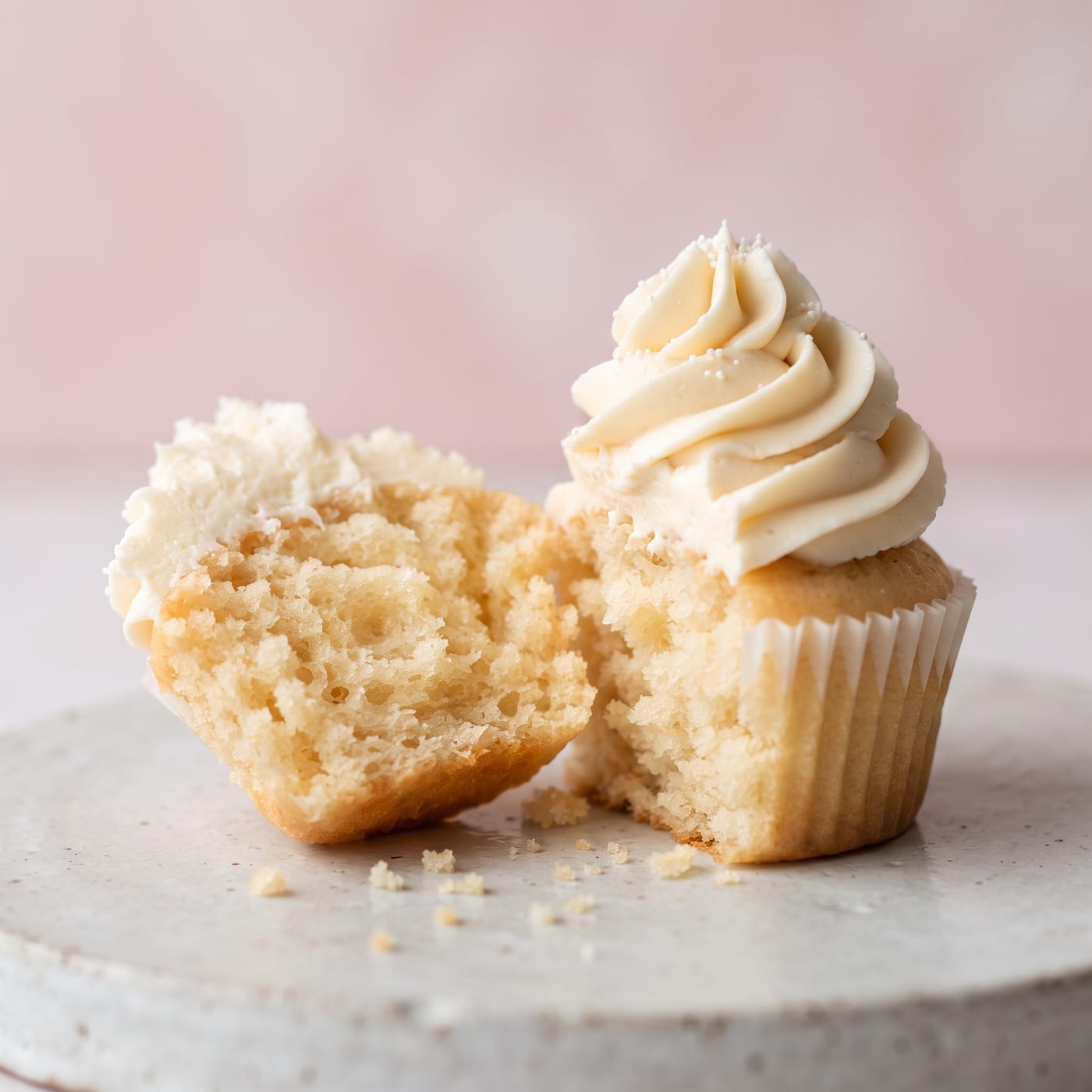
Cake flour is milled finer and bleached, which weakens its starch structure even more. That is why cake flour cupcakes rise tall with a crumb you can pull apart in soft sheets, not clumps.
I tested a basic vanilla batter side by side with only the flour changed. The cake flour batch had a visibly lighter, more open crumb when I sliced them open.
All Purpose Flour: The Reliable Middle Ground
All purpose flour gives a sturdier, slightly denser cupcake than cake flour, but it still bakes up soft if you do not overmix.
It works well for cupcakes that need to hold up under heavy frosting swirls or fillings, since the extra protein adds a bit more backbone.
If a recipe calls for cake flour and you only have all purpose, you can make a decent substitute at home.
- For each cup of cake flour needed, use 1 cup all purpose flour minus 2 tablespoons.
- Add 2 tablespoons of cornstarch to replace what you removed.
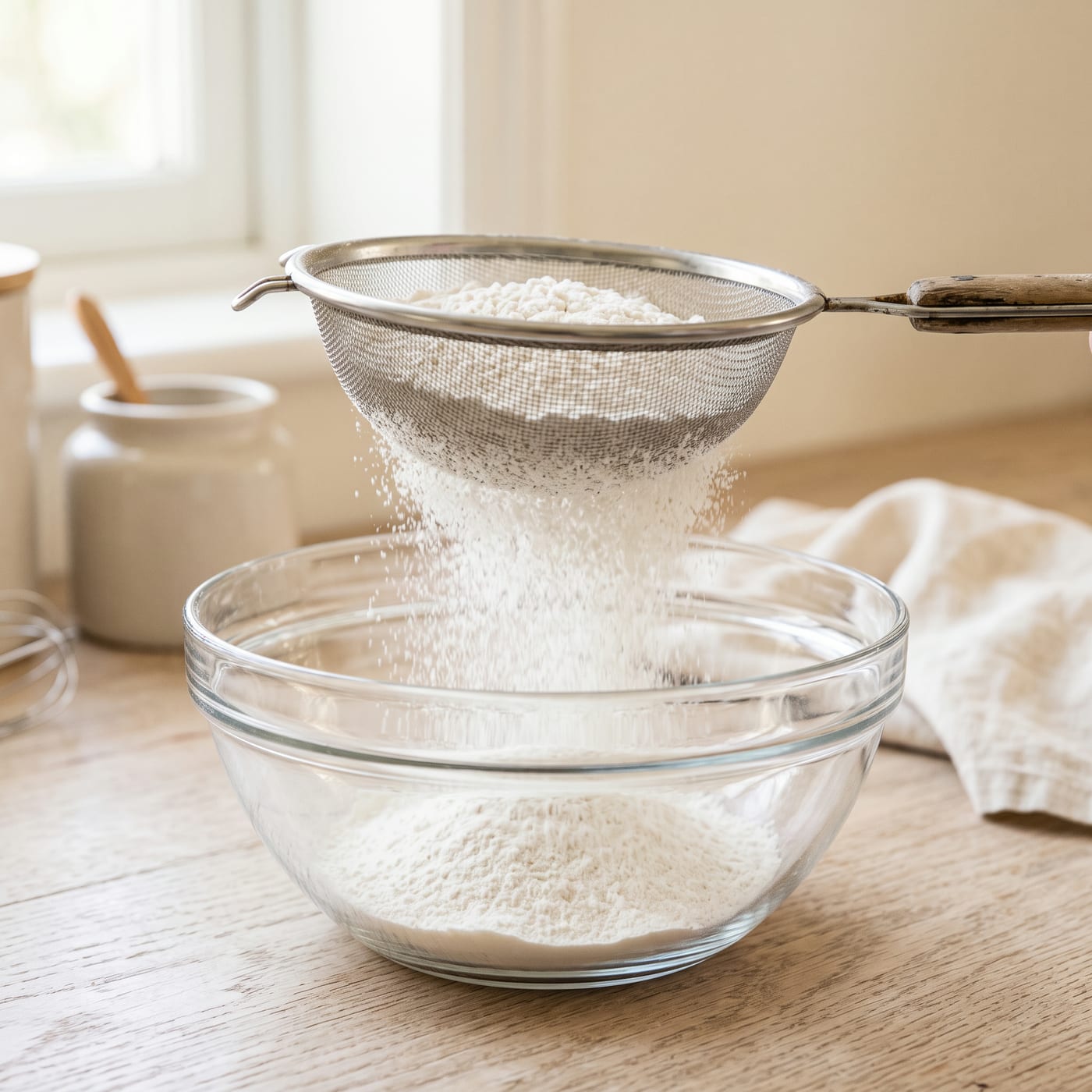
- Sift the mix at least twice to lighten it further.
Gluten Free Blends: What Actually Works
Gluten free blends can make fluffy cupcakes, but only if they include a binder like xanthan gum or guar gum to replace the structure gluten normally provides.
Rice based blends tend to bake up closest to a traditional crumb, while blends heavy in bean flour can taste gritty or leave a dense, gummy layer at the bottom.
I have had the best luck with store bought 1:1 baking blends that already include xanthan gum. Homemade blends without a gum tend to collapse or crumble apart.
- Look for a 1:1 blend labeled for baking, not an all purpose gluten free flour meant for bread.
- Check that xanthan gum or guar gum is already in the mix.
- Let the batter rest 10 minutes before baking so the starches can absorb moisture.
Almond Flour: Moist, Not Fluffy
Almond flour makes a moist, dense cupcake, not a fluffy one, since it has no gluten and no starch to trap air the way wheat flour does.
It works best in recipes built specifically for almond flour, with extra eggs or whipped egg whites to add lift.
If fluffiness is your main goal, almond flour alone will not get you there. Blending it with a small amount of cake flour or a gluten free starch blend helps close the gap.
Mixing Mistakes That Undo Good Flour
Even the best flour choice fails if you overmix the batter, since extra stirring builds gluten no matter which flour you use.
Mix just until the last streaks of flour disappear, then stop. Overmixed batter bakes into tough, peaked cupcakes instead of soft, domed ones.
Measuring matters too. Scooping flour straight from the bag packs in extra flour and dries out the crumb, even with cake flour.
- Spoon flour into your measuring cup, then level it with a knife.
- Mix on low speed and stop as soon as flour streaks disappear.
- Fold in any add ins by hand, not with the mixer running.
FAQ
Can I use cake flour and all purpose flour interchangeably?
Not directly cup for cup. Cake flour is lighter, so swap 1 cup all purpose flour for 1 cup plus 2 tablespoons cake flour, or make the cornstarch substitute listed above.
Why did my gluten free cupcakes turn out gummy?
This usually means the blend lacked a binder like xanthan gum, or the batter needed more resting time before baking to let the starches absorb moisture.
Is bread flour ever a good choice for cupcakes?
No. Bread flour has the highest protein content of common flours, which builds too much gluten and makes cupcakes chewy and tough instead of tender.
Do I need to sift cake flour before using it?
Sifting helps, especially if the flour has settled and packed down in the bag. It keeps the crumb light and prevents dense pockets in the baked cupcake.
Can almond flour cupcakes ever be fluffy?
They get closer with extra whipped eggs or a small amount of starch blended in, but they will never match the lift of a wheat flour based cupcake.